


March 17, 2026, 7:25 am | Read time: 2 minutes
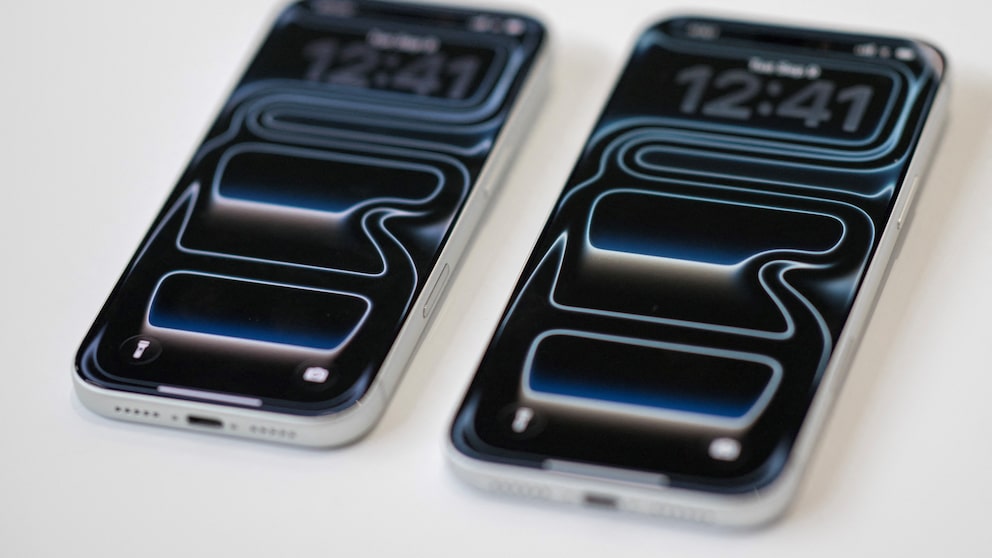
The new Liquid Glass surface in iOS 26 didn’t sit well with all iOS users. Those who hoped Apple would roll it back with the next update will be disappointed. The design is set for at least the next few years. However, that doesn’t mean improvements aren’t on the horizon.
Liquid Glass Stays
In his newsletter “Power On,” Mark Gurman from Bloomberg reports that Apple doesn’t plan major changes to the Liquid Glass design. The interface is likely to remain a staple of the look and functionality of iOS, iPadOS, macOS, and watchOS for the next generations.
Liquid Glass was originally crafted by former software design chief Alan Dye. According to Gurman, the entirely new design language was meant to distract from the fact that Apple’s operating systems for 2026 brought few AI innovations–and especially from the absence of the new, smarter Siri. Dye has since moved to rival Meta, and Steve Lemay has taken over his role. However, Lemay was also involved in developing the design language and is likely to make gradual improvements rather than fundamental changes.
No Radical Changes
Apple took a similar approach with the last major design change, which occurred in 2013 with iOS 7. At that time, the company introduced a completely new, flat design and moved away from the so-called skeuomorphism. In the following years, this design was continuously adjusted and refined.
Liquid Glass is already showing a similar development. Apple has introduced additional customization options through software updates. For example, with iOS 26.1, the option to reduce the transparency of Liquid Glass across the entire system was added.

 Lange Akkulaufzeit
 Dunkles Display

More Customization Options Could Follow
With iOS 26.2, a slider for the transparency of the time on the lock screen was also added. According to Gurman, Apple originally planned to introduce a transparency slider system-wide–for the entire interface. However, this plan was thwarted by technical challenges.
Also interesting: What new devices does Apple have in the works?
For iOS 27, the company might revisit this idea, giving users more control over the interface’s appearance. This could finally resolve the readability issues with text–and thus the biggest criticism of Liquid Glass.