


October 2, 2026, 10:57 am | Read time: 4 minutes
For most people today, streaming is synonymous with a paid subscription. The portal WikiFlix shows that it can be different–here, the content is available for free–and it also differs drastically from providers like Netflix, Disney+, and others. TECHBOOK introduces the streaming service.
What is WikiFlix?
No monthly fees, no subscription commitment, no ads–such a streaming service actually exists. The portal TechCrunch describes it as what Netflix would have been like 100 years ago. And indeed, its usage logic is comparable to that of Netflix. Ultimately, however, WikiFlix works in exactly the opposite way.
At its core, the service is a kind of digital film archive. WikiFlix shows films that are in the public domain–they are thus free of copyright and can be watched legally without a subscription.
Also interesting: Video streaming services in a big comparison
How does the model work?
The streaming service relies on the open database “Wikidata”–this also explains its name. It does not host the films itself but acts as a curated interface that collects entries on public domain films and links them with files from archive services like “Wikimedia Commons,” the “Internet Archive,” or YouTube.
These connections are regularly updated, allowing the offering to continuously grow–not only through the efforts of a central editorial team but also through the contributions of volunteers. Anyone who finds a public domain film in an online archive can link it in Wikidata and thus make it accessible via WikiFlix.

10 Sci-Fi and Fantasy Series We Love

Free Movies! This Streaming Secret Is Unknown to Most
What can you stream on WikiFlix?
The latest blockbusters and series, for which providers like Netflix or Amazon Prime Video acquire expensive licenses (and refinance through membership fees), are nowhere to be found on WikiFlix. Instead, the portal gathers historical, artistic, and sometimes quirky films from a wide range of genres–from the early experiments of the medium to well-known silent film classics and animated shorts. This is particularly appealing to those interested in film history. The following three examples from the catalog illustrate this particularly well.
“Nosferatu – A Symphony of Horror” (1922)
One of the most famous films of the silent film era–a milestone of the genre, as the Silent Film Magazine writes. The 1922 vampire film by Friedrich Wilhelm Murnau has etched itself into the collective visual memory, especially through Max Schreck’s portrayal of Count Orlok: a bald figure with long fingers, accompanied by striking shadow scenes.
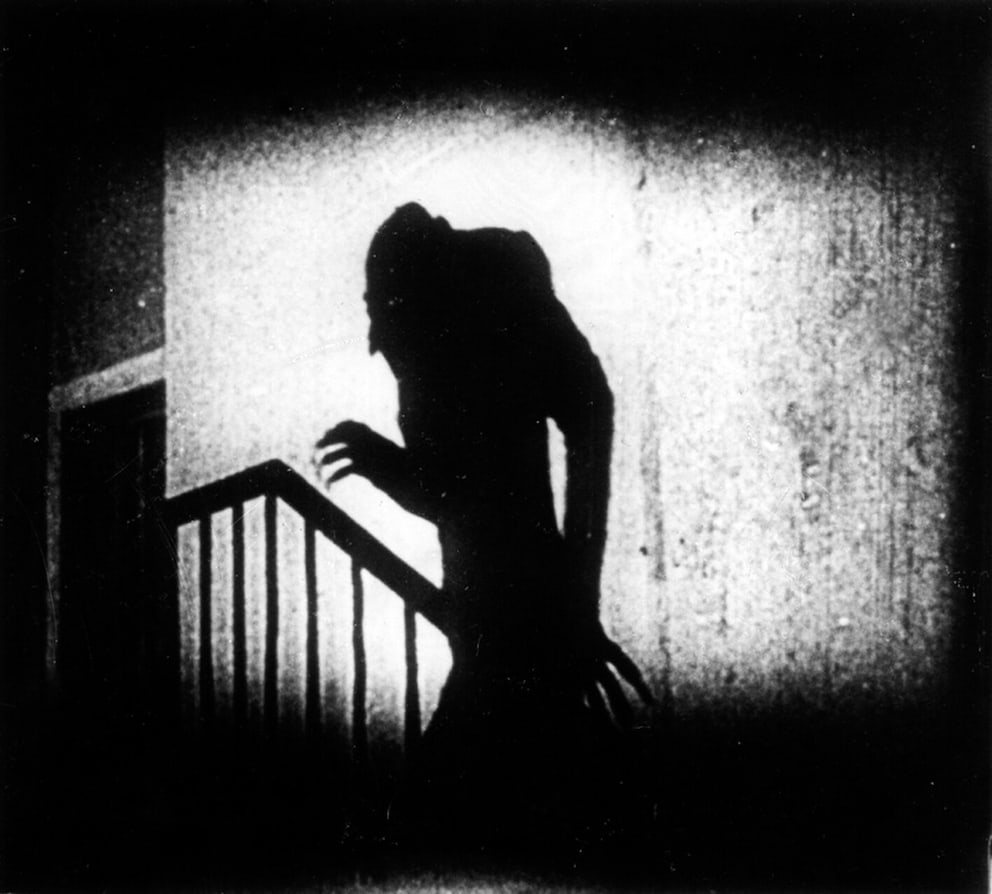
The story is about a vampire from Transylvania who spreads death and disease in the northern German town of Wisborg. Bram Stoker’s novel “Dracula” served as a template–albeit without the necessary rights. A court case sought to destroy all copies, but this was not entirely successful. Fortunately, the film has survived to this day and is available for streaming on WikiFlix.

“Metropolis” (1927)
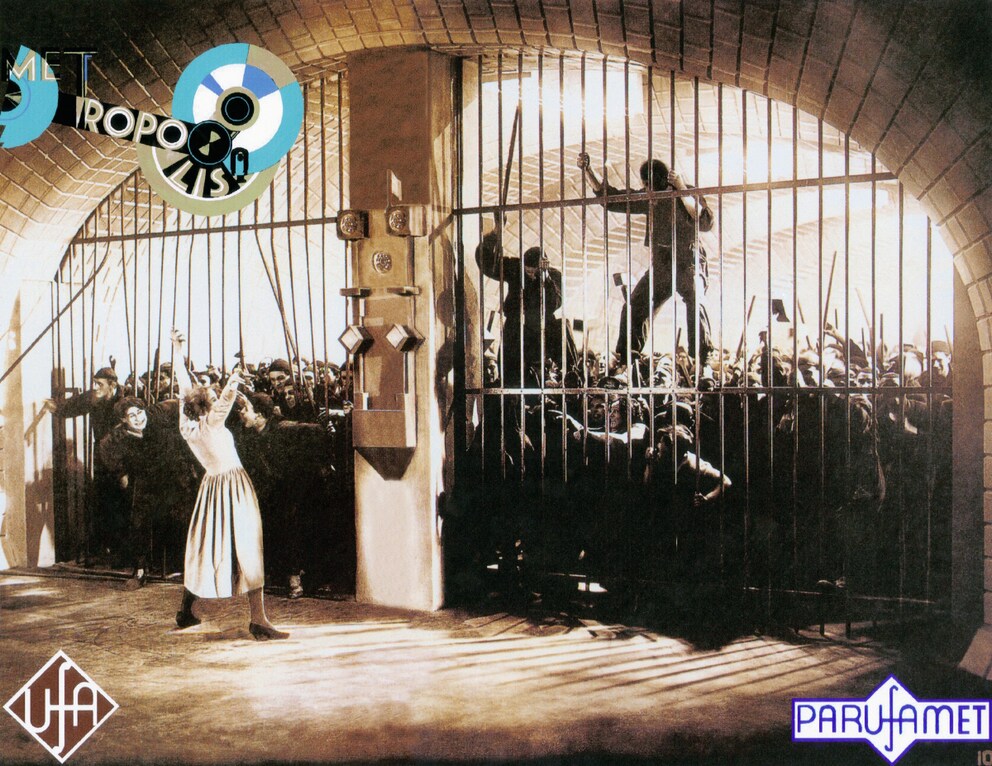
Perhaps the most iconic work on the portal is “Metropolis.” Created in 1927 under the direction of Fritz Lang, the film depicts a futuristic metropolis where a privileged elite rules over a hard-working underclass. At the center is the encounter of these two worlds, which challenges the existing order. “Metropolis” is also known for its monumental visual style–a visual masterpiece that continues to influence the science fiction genre today.
“M – A City Searches for a Murderer” (1931)
“M – A City Searches for a Murderer” continues to impress with its dense atmosphere and psychological tension, created with then-innovative cinematic techniques, particularly through the deliberate use of sound and silence. The story centers on a child murderer who has claimed several victims. All of Berlin is in fear and terror. The police deploy a massive force to catch him, but the psychopath repeatedly escapes. Even the city’s underworld intervenes, as the methods of the brutal killer violate every ethic. Thrills guaranteed!
(There is no official trailer for “M – A City Searches for a Murderer”)
What WikiFlix users should consider
The web-based portal is a gem in the fleeting streaming market. While users of often-mentioned providers like Netflix, as well as Amazon Prime and others, have recently been frustrated by the lack of quality in constantly new productions, WikiFlix offers historical film gems that have rightfully become classics. The principle shows that true film enjoyment can also be free. The community can do more than just give a thumbs up or down–they can actively contribute to expanding the streaming offering.
What some users might see as a limitation: The films are shown in their original language–often without German translation for foreign productions–and subtitles are rarely available. Image and sound quality can also vary. Film enthusiasts, however, might particularly appreciate this.