


October 14, 2026, 6:02 am | Read time: 4 minutes
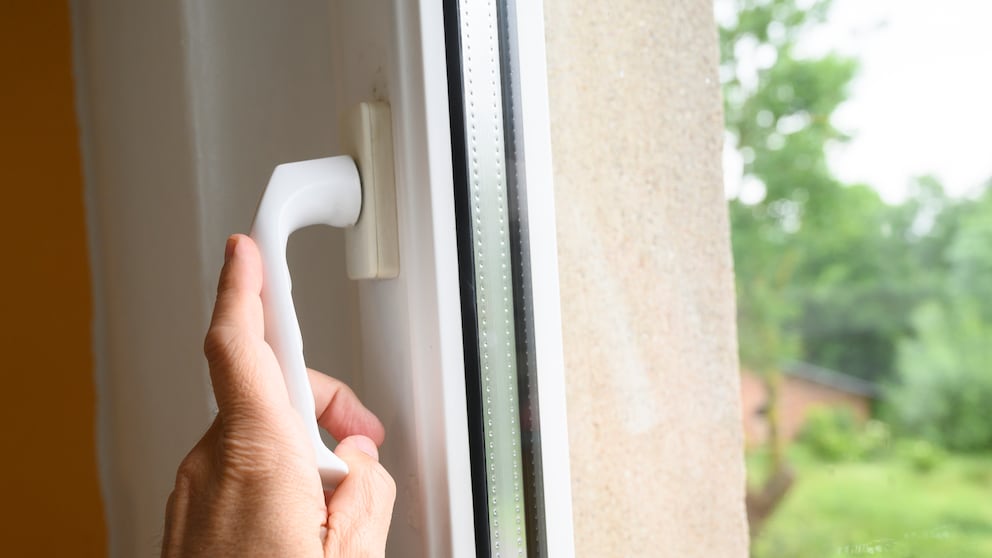
Smart window contacts are among the most inconspicuous yet useful security aids in a smart home. They report open windows in real time, can respond to suspicious activities in conjunction with sirens, cameras, or lighting, and help save on heating costs. TECHBOOK explains the key functions, benefits, and applications.
Open windows are not only one of the most common causes of unnecessary energy loss in the home, but they also pose a security risk. This is where smart window contacts come in. These small sensors detect whether a window is open or closed and inform users via an app. In combination with smart radiator thermostats, they can help save on heating costs. The devices are often also an important part of burglary protection systems.
Overview
What are smart window contacts?
Smart window contacts are small sensors that monitor the status of a window. They typically consist of two components: a sensor and a magnet. When the window (or a balcony door) is opened, the connection between the two is interrupted. The system registers the change in status and transmits it to an app or smart home hub.
Modern models often use standards such as Matter, Zigbee, Thread, or Z-Wave, making them easier to integrate into existing smart home systems.
How to install smart window contacts
Installation is usually straightforward and can be done without professional knowledge. The sensors are typically attached to the window frame and sash with adhesive strips. Drilling is usually not required, making the devices suitable for rental apartments.
After installation, the sensors are set up via an app or a smart home hub. Users can then set notifications or create automations.
Typical functions include:
- Push notifications for open windows
- Status queries from afar
- Automatic heating control
- Integration into alarm systems
- Linking with lighting or shutters
Also interesting: How smart alarm systems make the home safer
Save on heating costs through automatic control
A window contact is particularly practical when combined with a smart thermostat. If the system detects an open window, the heating can automatically be turned down or temporarily switched off. This prevents valuable heat from escaping unused. When the window is closed again, the thermostat automatically resumes normal operation.
Many modern heating systems already have integrated open-window detection based on sudden temperature drops. However, separate window contacts work more reliably and respond faster.
Window contacts as part of burglary protection
In addition to saving energy, window contacts also enhance security. In conjunction with a smart home hub or alarm system, they can immediately report when a window is opened.
Depending on the system, the following reactions are possible:
- Push notification to the smartphone
- Activation of a siren
- Turning on the lights
- Recording by surveillance cameras
- Triggering an alarm routine
Important to know: A simple window contact only detects that a window has been opened. It usually cannot distinguish whether this was done from inside or outside. For enhanced burglary protection, additional vibration, glass break, or motion detectors are often used.
Fritz!App Smart Home Gets Practical Update

How to Connect Fritzbox with Amazon Alexa
How much do smart window contacts cost?
Prices have dropped significantly in recent years. Typical market prices for simple sensors range from 15 to 30 euros. Models with Matter, Thread, or Zigbee support average between 20 and 50 euros. Those who want window contacts as part of professional smart home systems with advanced features may have to pay significantly more.
Most sensors are battery-operated. Depending on usage, these often last between one and five years before needing replacement.
Inconspicuous but important part of the smart home
Smart window contacts are among the most affordable and useful smart home components. They help ensure open windows are not forgotten, support heating control, and can make a significant contribution to burglary protection. They are particularly interesting for households that already use smart thermostats or a security system and want to sensibly expand their smart home.