


January 28, 2026, 11:56 am | Read time: 5 minutes
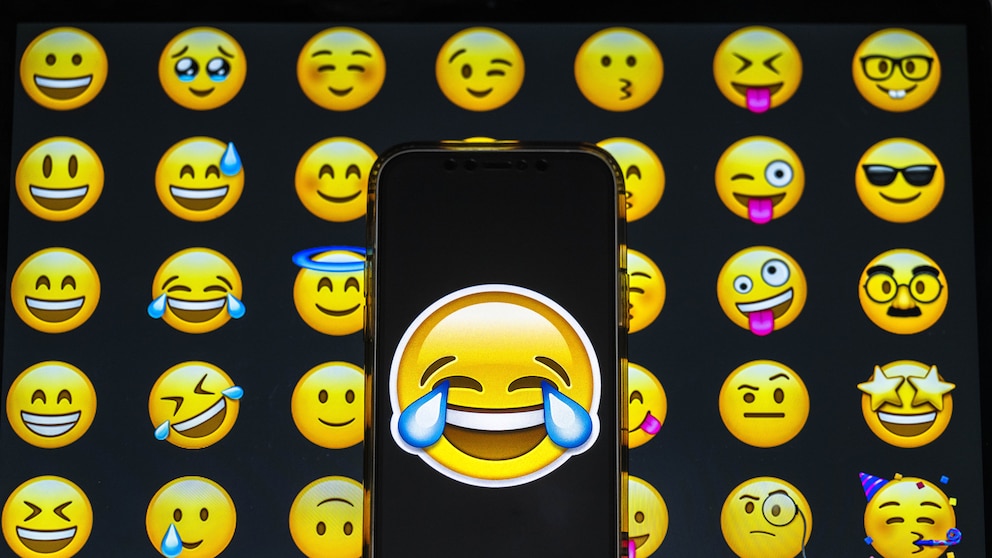
Nowadays, emojis are as much a part of a message as the letters themselves. The little symbols now even have their own day of honor—World Emoji Day on July 17. But many people use emojis incorrectly. TECHBOOK explains the true meaning of the most popular motifs.
The small, colorful symbols that have become ubiquitous in written digital communication are now an integral part of chat programs like WhatsApp or Microsoft Teams. Emojis have even made their way into and gained acceptance in business dialogues. However, not everyone knows the meaning of the numerous motifs in detail. If you are not careful and use the wrong emoji, you can easily embarrass yourself or express something that was not meant at all. TECHBOOK therefore reveals the true meaning of the most popular emojis.
Overview
Emojis Have Their Own Holiday
Emojis come in different shapes, colors, and designs. For many, the small, round smileys come to mind first. Over the years, however, other motifs such as people, plants, animals, and various symbols have been added. Some users even mistakenly refer to app icons as emojis, a technical inaccuracy that has nonetheless inspired a special ‘holiday.’ The app icon for the calendar on iPhones or Samsung Galaxy smartphones shows July 17. In 2014, Jeremy Burge, founder of Emojipedia, therefore set this date for World Emoji Day, which he created. Since its inception, World Emoji Day has been a time to celebrate emojis and often introduces new designs.
Choosing the right symbol can be challenging with several hundred different emojis available. Users often interpret completely different meanings into certain symbols. Here are a few examples and what the emojis actually mean in this case:
Folded hands

The folded hands emoji is frequently misinterpreted as a ‘high five,’ a meaning that Apple, Google, or Facebook’s versions could suggest. Conversely, Microsoft or Samsung’s emojis more accurately convey the symbol’s intended meaning. This is because the joined palms are meant to indicate gratitude or a polite “please.” The gesture is primarily known from Japan, where this emoji originally comes from.
In Western culture, this emoji is commonly used to represent prayer. In this respect, the meaning of emojis has changed.
Smiley with Steam Coming out of Its Nose

The grim-looking smiley with steam coming out of its nose is often used to signify frustration or anger. However, the official name of the emoji reveals its true meaning: “Face with look of triumph,” which means something like “triumphant looking face.”
The face is actually intended to express pride, as depicted more clearly in earlier versions from Microsoft (Windows 8.1) and Facebook. Today, however, they also look very similar to the others.
Smiley with a Droplet

In Western countries, the smiley with a drop on its face is commonly mistaken to represent a cold. Others use this emoji to incorrectly convey sadness. But neither is correct, as a look at the official name reveals. This is “Sleepy Face,” which should not be confused with the “sleeping face”—that is another emoji.
The origin of the emoji is also Japan: there, sleepy people in manga comics and anime series are often shown with a snot drop in their nose—and that is also the actual meaning of the drop. This can best be seen in the Samsung emoji—it also has a few “z” characters to further emphasize sleep.
Tired Cat

Contrary to what one might think, the cat emoji is not screaming, nor is it meant to appear distraught or terrified. Instead, it is supposed to be tired (“Weary Cat”) and therefore the cat counterpart to the tired smiley face. You can best recognize this in the emojis from Samsung and Facebook.
Woman Holding Up Her Hand

A commonly used emoji features a woman raising her hand, but what exactly is the intended action? Women often use this symbol to be “cheeky” or to symbolize “I don’t care.”
Strictly speaking, however, this is incorrect, as the official name reveals: “Information Desk Person.” The woman also raises her hand like a waitress carrying an invisible tablet. The meaning of service is, therefore, probably the most appropriate for this emoji.
These New Emojis Are Coming with Unicode 18.0
Big Emoji Update! Apple Core and Bigfoot Coming Soon to Phones
Bowing

This next emoji may also be familiar to many. It is often used to express tiredness, attention, or to apologize. Therefore, its usage often leads to contradictory interpretations.
In reality, this small symbol simply depicts a person bowing. This is best seen on Facebook or Apple, where the knees are still visible. Whether you want to bow as an apology is up to you.
Embarassed Face

Contrary to some beliefs, this face is not meant to convey shock. But the mistake is quite understandable, given the wide eyes and slightly open mouth.
Once again, the official name provides insight: ‘Flushed Face.’ And if you look closely, you can see that the cheeks are indeed red. This is particularly visible in the Microsoft version. In this case, the wide eyes and flushed cheeks are supposed to be a sign of embarrassment and shame.