

November 29, 2026, 3:22 pm | Read time: 3 minutes
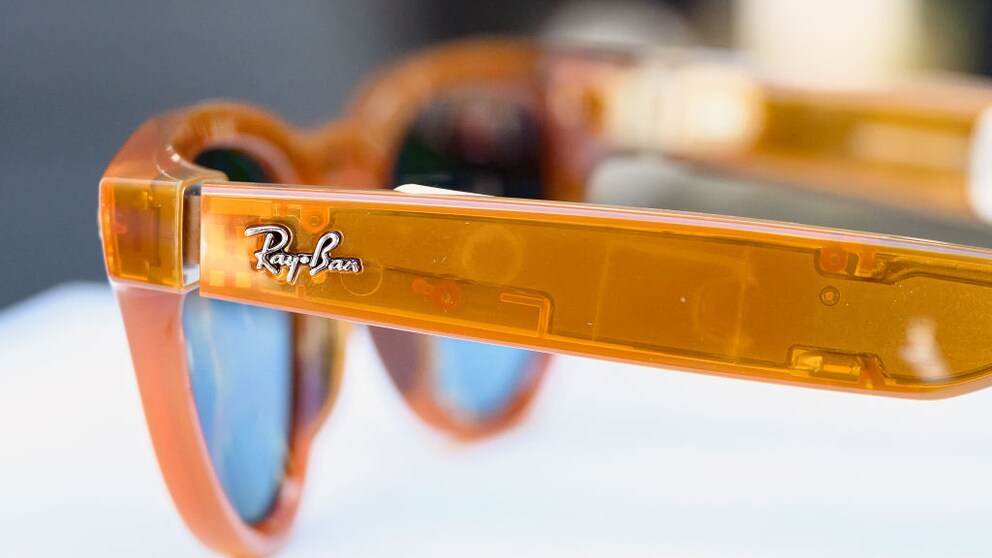
Smart glasses can record images and sound without people nearby noticing directly. The Federation of German Consumer Organizations sees this as a privacy issue and is filing a lawsuit against Meta and the eyewear manufacturer Ray-Ban.
Customers Are Not Informed About Privacy
If wearers of smart glasses film other people or record their voices, they collect personal data. This falls under the regulations of the General Data Protection Regulation (GDPR). Users of the glasses must inform affected individuals that their data is being collected.
The Federation of German Consumer Organizations (VZBV) criticizes that these requirements are difficult to implement with the warning signals currently built into smart glasses. Ray-Ban does not inform its customers about this when purchasing smart glasses, according to the VZBV. The eyewear manufacturer did not respond to a warning, prompting the consumer advocates to file a lawsuit with the competent chamber court.
Is a Sales Ban Looming for Smart Glasses?
Meta’s New AI Glasses Come Without a Camera
Consumer Organization Also Takes Action Against Meta
Meta is also under criticism for its smart glasses. The Federation of German Consumer Organizations criticizes, among other things, the company’s advertising. It gives the impression that users can easily use all advertised functions in everyday life. According to the association, this is hardly possible in public spaces without violating the GDPR.
A small white blinking light on the glasses frame is not sufficient, according to consumer advocates, to inform people that their data is being recorded. Affected individuals cannot see which of their data is being processed and for what purpose. Nor can they determine whether their data might be used for training AI systems. Meta did not issue a cease-and-desist declaration after a warning. Therefore, the Federation of German Consumer Organizations also filed a lawsuit in this case. HateAid had already filed a criminal complaint against the company in August.
Also interesting: HateAid – Is a Sales Ban on Smart Glasses Imminent?
Association Demands New Rules for Smart Glasses
The Federation of German Consumer Organizations also wants to achieve changes at the political level. Manufacturers should be required to design products from the outset to consider privacy. This should apply even if the manufacturers do not process the collected personal data themselves.
The association calls for, among other things, privacy-friendly default settings and recording functions that are clearly recognizable to others. The responsibility for privacy should not lie with those who wear smart glasses in everyday life. Therefore, the federal government should advocate for appropriate regulations in the current reform of the GDPR.