

September 17, 2026, 9:41 am | Read time: 2 minutes
After much criticism of its smart glasses, Meta plans to take a new direction. An upcoming model will completely forgo a camera, instead focusing on AI features and voice control.
Luna aims to reinvent smart glasses
According to recent reports, Meta is working on a new generation of its smart glasses. The project is internally named “Luna” and could be officially unveiled at the Connect developer conference at the end of September. The market launch is expected shortly thereafter in October.
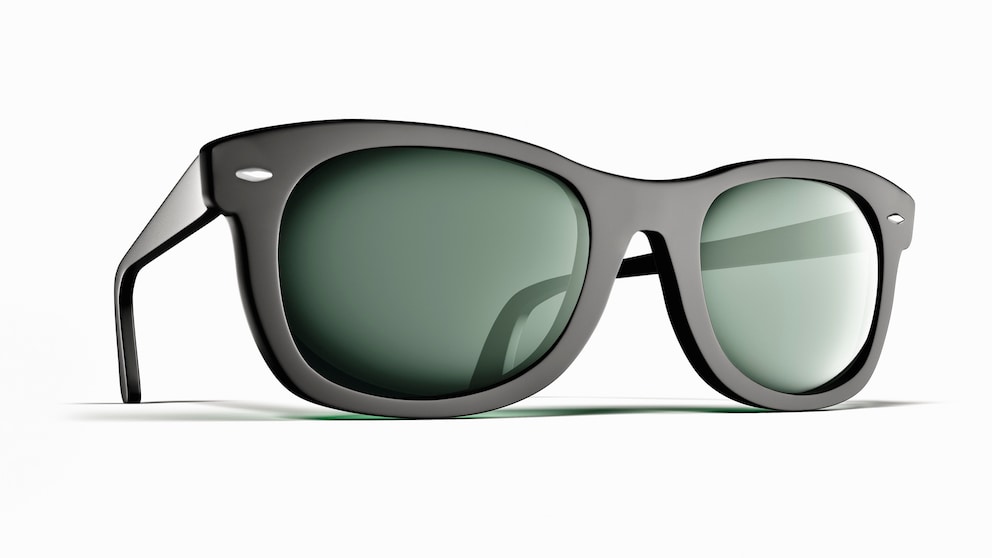
Technically, the model differs significantly from the company’s previous Ray-Ban smart glasses. Instead of an integrated camera, Meta is focusing on artificial intelligence and voice interaction. Users will be able to communicate with Meta AI and the new AI agent Muse through six microphones. Additionally, speakers are integrated into the arms, transmitting audio content directly to the ear. Without the camera, the frame is slimmer, making the glasses look more like traditional everyday eyewear.

Why Some Cinemas Are Now Banning These Glasses

First Major City Plans to Ban This Tech Gadget
Privacy concerns prompt course change
The decision to forgo the camera is likely a response to the ongoing privacy debate surrounding smart glasses. Although previous models had a blinking LED indicator during recordings, there were repeated instances where users covered or manipulated this warning feature.
The criticism did not go unnoticed. In the United Kingdom, cinemas, restaurants, and bars restricted the use of the devices. The glasses also faced increasing criticism on social media for potential covert recordings. While Meta responded with software adjustments, it couldn’t completely quell the discussions. Meanwhile, political pressure is also mounting. In Hamburg, there is currently a debate about restrictions for smart glasses in areas such as public transportation and swimming pools.
Also of interest: Apple is working on smart glasses
AI instead of a camera aims to win new buyers
With Luna, Meta is targeting people who have been skeptical of previous devices due to privacy concerns. The focus is shifting away from photo and video functions toward digital assistants and AI-supported everyday assistance.
This step is strategically important for Meta. According to the company, around seven million units of the previous Ray-Ban smart glasses have been sold. The new generation is now expected to prove that smart glasses can be successfully marketed without a camera. Whether the combination of discreet design, voice control, and AI support is enough to regain lost trust will likely become apparent in the coming months.