

January 16, 2026, 3:26 pm | Read time: 4 minutes
In the age of streaming, it’s hard to imagine that people once had to visit a store to rent movies or TV shows. Today, video rental stores are a rarity. Other things that were once ubiquitous have disappeared entirely. TECHBOOK takes a look back …
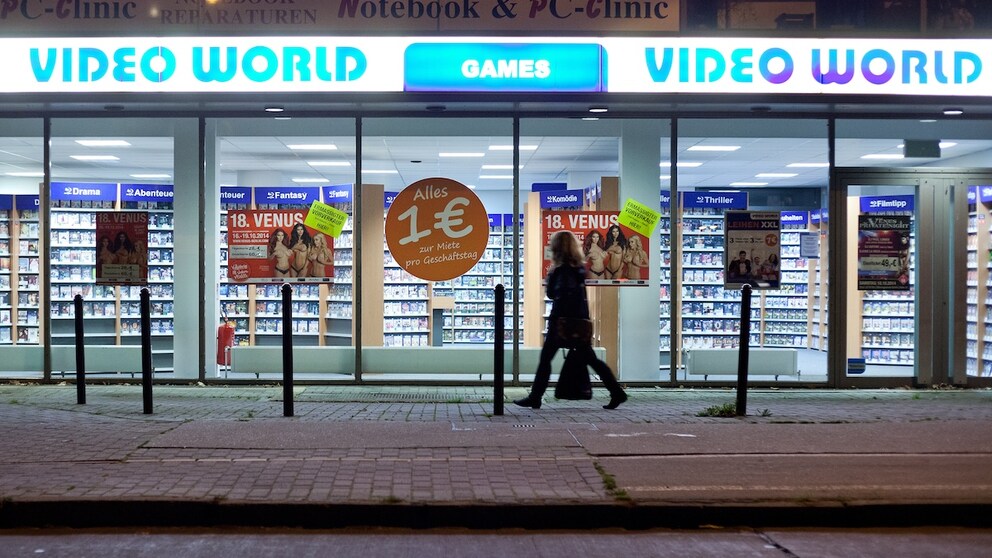
For children of the 1980s, they were part of everyday life: long visits to video rental stores and the disappointment when the movie you wanted was already rented out–not to mention the frustration of high fees for not returning titles on time. Despite these minor annoyances, most who grew up with them likely remember the video rental era fondly. Don’t worry, they’re not completely gone!
Video Rental Stores–and Other Once-Ubiquitous Things
The impression that video rental stores no longer exist isn’t unfounded: Their numbers have drastically decreased–and the reasons for this (keyword: streaming services) are no mystery. Of the few video rental stores that remain, most have specialized in niche offerings or specific film genres. As a result, you might find gems in these small stores that aren’t available on the major platforms.
But video rental stores are just one example of things that were once everywhere and have since faded away. There are others …
Phone Booths
If they had never existed, neither would the Hollywood film “Phone Booth” from 2002, in which Colin Farrell’s character, Stu Shepard, is trapped in a phone booth for about 80 minutes.
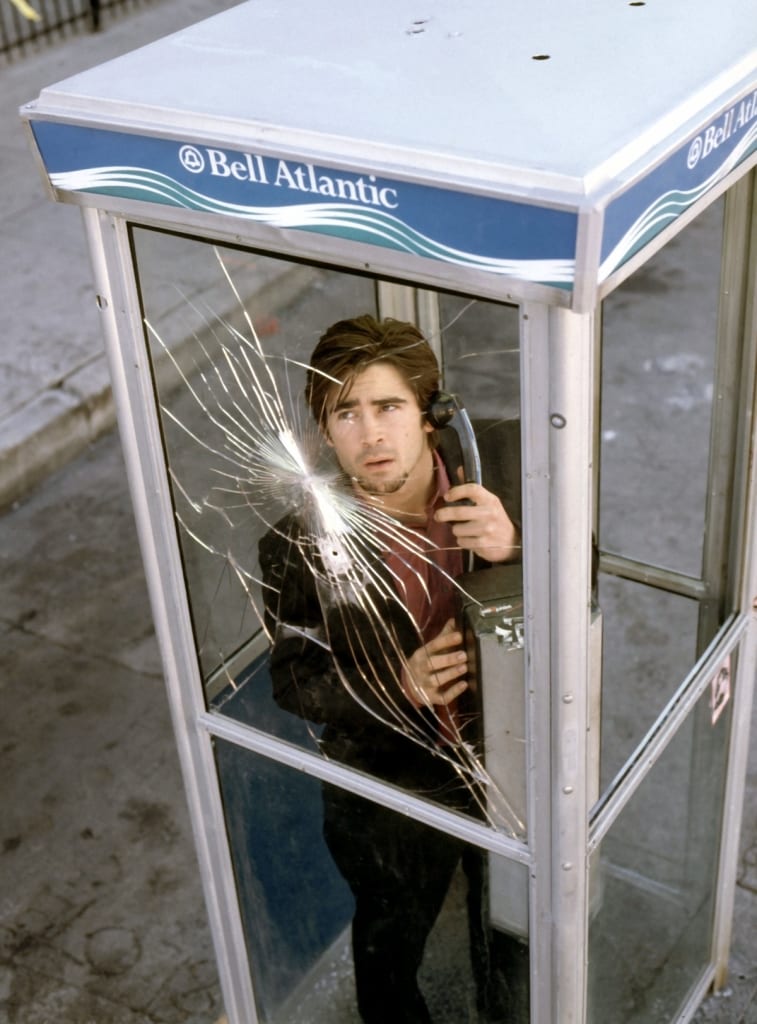
In real life, officially designated coin-operated telephones played an important role in Germany for 142 years. The significance of phone booths is underscored by the signs from the 1930s to the 1970s that read “Keep it short!” and “Be considerate of those waiting.” Phone booths were heavily used for communication because not everyone had a personal phone. Even if they did, if you had something on your mind while out and about, you had to find a public phone booth to make a call–mobile phones came later.
Also interesting: 7 old cell phones that are now quite valuable
But they did come. In recent years, empty phone booths have become a common sight. This led to the provision of phone booths, which Deutsche Telekom was long obligated to provide as a universal service, becoming economically unviable. On November 21, 2022, coin payment was deactivated in all remaining 12,000 phone booths in Germany. More about this can be found in a report by MDR. You might still encounter a phone booth today, but picking up the receiver and making a call is unlikely. Instead, there are various repurposings of these small structures.

Silly Email Addresses
Today, most email addresses are straightforward combinations of users’ first and last names. But there was a time when this was quite different! In the early days of the internet, emails were considered informal channels primarily for personal communication. As a result, email addresses were often humorous and reflected personal interests and views. For example, no one would have been surprised by something like partygirl124@hotmail.com. Domain names were also sometimes unusual, such as ihatemyjob.com, to name just one of many variations.
Today, imaginative email addresses are relics of the past, remembered by their holders with a mix of nostalgia and perhaps a bit of embarrassment. They are rarely used seriously anymore.

What Ever Happened to Phone Cards?

30 Years of the Nokia Communicator: The Forefather of the Smartphone
Fax Machines
Before emails, fax machines were used–and in certain areas, they still are. Hospitals and medical practices use them for secure and privacy-compliant exchange of patient data, and they are also common in the legal field or government agencies for confidential communication. However, in everyday private life, the days of having a fax machine constantly on hand–with its endless paper refills and noisy, messy incoming faxes–are long gone.
Also interesting: This technology from the ’90s is now cult
Purchased Ringtones
Purchased and downloaded ringtones were ubiquitous in the 2000s. Back then, mobile phones came with standard, often monotone tones. More lively and melodic ones could be ordered via SMS and downloaded as polyphonic tones or later as MP3s. While the market still exists today, it has lost much of its relevance, as modern smartphones typically come with a wide array of ringtones.
Originally intended as a fun novelty–though perhaps to the annoyance of noise-sensitive parents–the enjoyment of purchased ringtones could become a real problem for some fans: those who were lured into subscription traps by seemingly cheap offers. Some ended up paying high amounts over months or even years, often without realizing it.