


September 13, 2023, 2:45 pm | Read time: 4 minutes
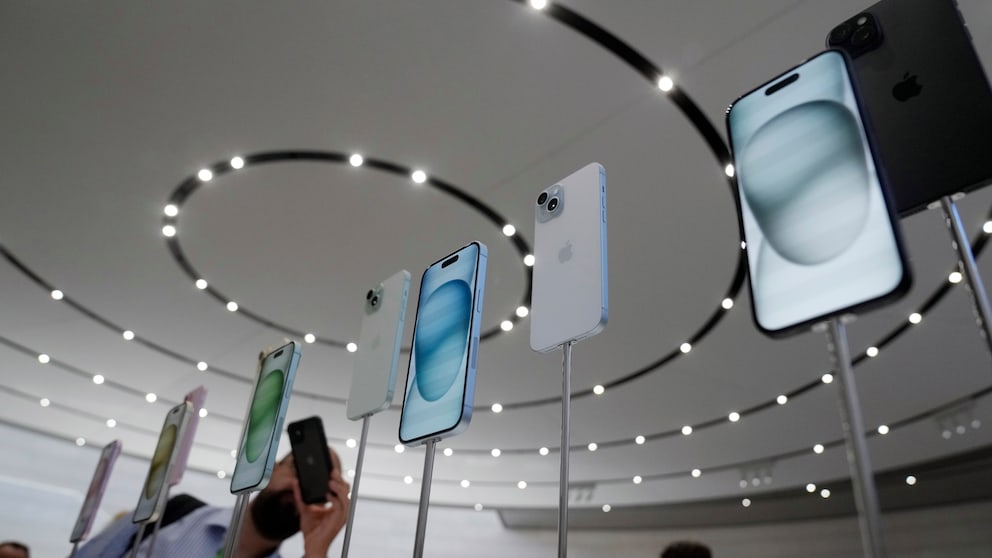
Even before the September event, it was clear that the iPhone 15 would adopt many features from the iPhone 14 Pro. Besides the chip and camera, one feature stands out in particular.
Many are excited that Apple is finally switching to USB-C with the iPhone 15 series. This marks the end of the two-cable system–everything now runs through the more versatile connector. However, the iPhone 15 benefits only marginally from this, as it still uses the 23-year-old, slow USB 2.0 standard under the hood. The real innovation isn’t USB-C, but a feature previously exclusive to the iPhone 14 Pro: Dynamic Island.
Overview
From Notch to “Pill”
For years, Apple barely mentioned the small notch at the top of the screen. But important hardware like the camera and Face ID sensors have to be housed somewhere. With the iPhone 14 Pro and 14 Pro Max, Apple took a new approach, putting Dynamic Island at the forefront. Now, with the iPhone 15 series, all models feature this innovation.
The Island is a Trick
The Dynamic Island on the iPhone 15 houses the selfie camera and Face ID sensors, which are 30 percent smaller than those on the iPhone 14. The elongated pill shape seen when the screen is turned on is actually a software trick. In reality, Face ID and the camera sit side by side, with screen pixels in between. These pixels are simply black, making it appear as a continuous surface:

Android manufacturers switched to smaller camera notches years ago. Many smartphones have just a circular cutout in the display for the selfie camera. Proximity and light sensors are hidden in the screen edge or even under the display. The latest trend in the Android world is to place the selfie camera under the display. However, this technology is still in its infancy and suffers from poor image quality.
Also interesting: Disappointing! The new iPhone 15 only has “old innovations”
iPhone 15 Is Official: What Apple’s New Base Models Offer

Apple Plans Radical Change for Face ID
Dynamic Island Makes the Pill Smart
No Android manufacturer has yet thought to integrate an unavoidable distraction–which a notch is–into the smartphone’s operation. The iPhone 14 Pro is the first where the notch doesn’t just take away from the user interface. Instead, the pill adds new functionality.
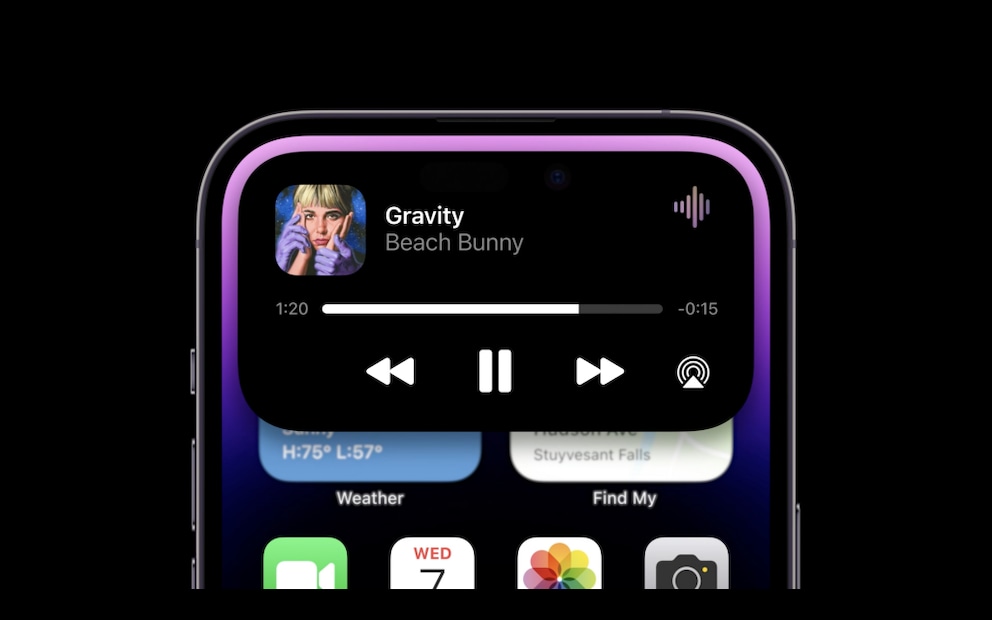
As the name suggests, Dynamic Island is more than just a static area. Compatible apps move up into the pill when closed. Depending on the app’s function, the Dynamic Island area expands. For example, album covers from Apple Music and navigation from Apple Maps appear there, even when these apps run in the background. You can see exactly how this looks in Apple’s announcement video for the iPhone 15 on YouTube:
Read also: iPhone users should definitely change this video setting
Mini Multitasking
Dynamic Island effectively becomes a small multitasking shortcut. Holding the small area enlarges it to show more details and controls. For Maps, detailed instructions like lane guidance appear, and for Music, playback controls are shown. A simple tap on the pill opens the respective app directly. The most recently opened app occupies the largest part of the pill, while other background apps appear next to it in a circle.
More Features of Dynamic Island
Dynamic Island also displays notifications and context-based information. For example, when you toggle the mute switch, a small animation appears directly in the pill instead of as a separate window on the screen. Animations for unlocking with Face ID, connecting to AirPods, plugging in a charger, and starting focus mode also move there.
In certain apps, Dynamic Island turns off, leaving only the actual pill with the camera and Face ID visible. This happens during video playback and in mobile games. In these situations, the area does not respond to taps.
Read also: Hidden feature in iPhone improves call quality
Which Apps Support Dynamic Island?
When the iPhone 14 Pro launched, most pre-installed apps were already optimized for Dynamic Island. These include Music, Maps, Timer and Clock, FaceTime and Calls, and Voice Memos.
Many third-party developers have since adapted their apps accordingly. For example, Spotify, YouTube Music, and Audible are compatible with Dynamic Island. Generally, apps that support live activities work here, including Uber, Flighty, and Wolt.