

September 10, 2025, 4:13 pm | Read time: 3 minutes
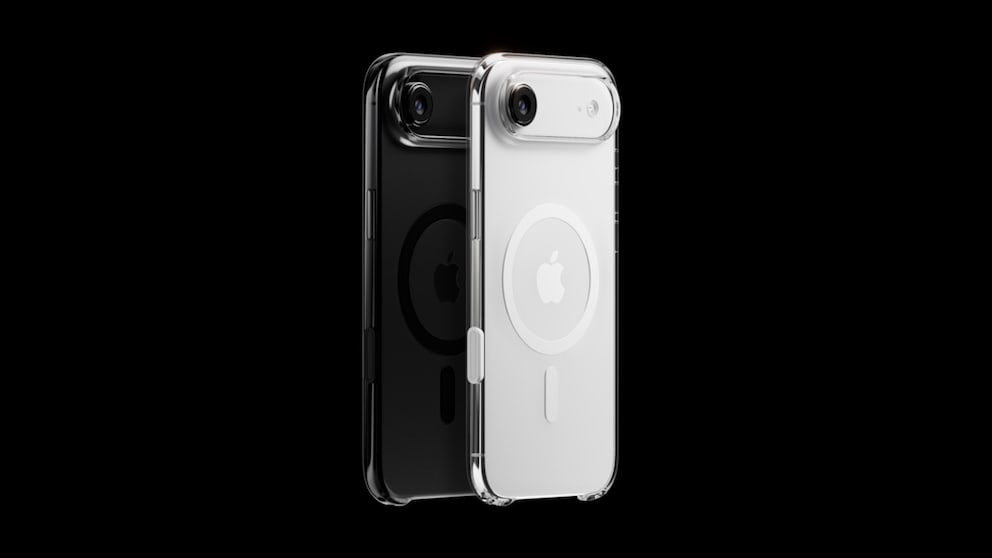
Apple unveiled a new iPhone model at its recent keynote: the iPhone Air. This move responds to the trend of ultra-thin smartphones, which Samsung had already initiated in May 2025 with the Galaxy S25 Edge–albeit unsuccessfully.
The Galaxy S25 Edge has proven to be a misstep for Samsung so far. Poor sales figures and lukewarm customer feedback have already led to a reduction in production volume. The reasons range from technical criticism to unfortunate positioning within the product line. With the iPhone Air, Apple is pursuing a similar approach but is focusing on improvements in build quality and battery performance to avoid potential weaknesses.
Weaknesses of the Samsung Galaxy S25 Edge
In the COMPUTER BILD test (part of Axel Springer like TECHBOOK), the Galaxy S25 Edge revealed clear deficiencies in battery life and charging speed. Despite good hardware, the extremely thin casing appeared less robust, raising doubts about its durability. Additionally, the strategic decision to establish the Edge model instead of the Plus model was challenging to market: more expensive than the base model but lacking the key premium features of the Ultra model.
The result: Many customers opted for the cheaper base model or the more powerful Ultra. The Edge offered little added value in comparison, aside from its thinner design.
Samsung struggled to give the middle model in its product lineup a clear profile. Those seeking a solid device chose the base model, while those wanting the best went for the Ultra. The Edge was left without a clear target audience. This very situation could also be Apple’s downfall if the iPhone Air does not offer sufficient added value.

Mini Battery in iPhone 17 Air? What It Means for Battery Life
iPhone Air Runs Out of Steam
Apple’s Approach with the iPhone Air
Apple promises titanium construction, long battery life, and performance on par with stronger models for the iPhone Air. With this, the company aims to avoid the pitfalls that plagued Samsung.
Also interesting: Thin iPhone, hefty price! Why the iPhone Air doesn’t convince me
In terms of everyday usability, Apple also has experience: Even the iPhone 6 Plus became a success despite the “Bendgate” scandal. At the time, users reported that the device could easily bend under pressure, such as when carried in a pocket. The incident sparked widespread discussion but did not significantly harm the model’s sales.
Technical Limitations and Pricing
However, the iPhone Air also comes with compromises. The device is equipped with only one camera, which means significant reductions in image quality compared to the iPhone 17. The smaller battery cannot match the runtime of the base model. Particularly striking is the price:
- iPhone Air with 256 gigabytes: 1,199 euros
- iPhone Air with 512 gigabytes: 1,449 euros
- iPhone Air with 1 terabyte: 1,699 euros
For comparison: The iPhone 17 starts at 949 euros. Buyers thus pay about 250 euros more for a thinner smartphone with a weaker camera and shorter battery life. Whether the slim design of the iPhone Air is enough to convince customers in the long run remains to be seen. Experiences with Samsung’s Galaxy S25 Edge show that the market for ultra-thin smartphones is risky. While Apple is betting on an optimized implementation, the higher price and compromises in features could hinder success.