


January 8, 2026, 9:10 am | Read time: 4 minutes
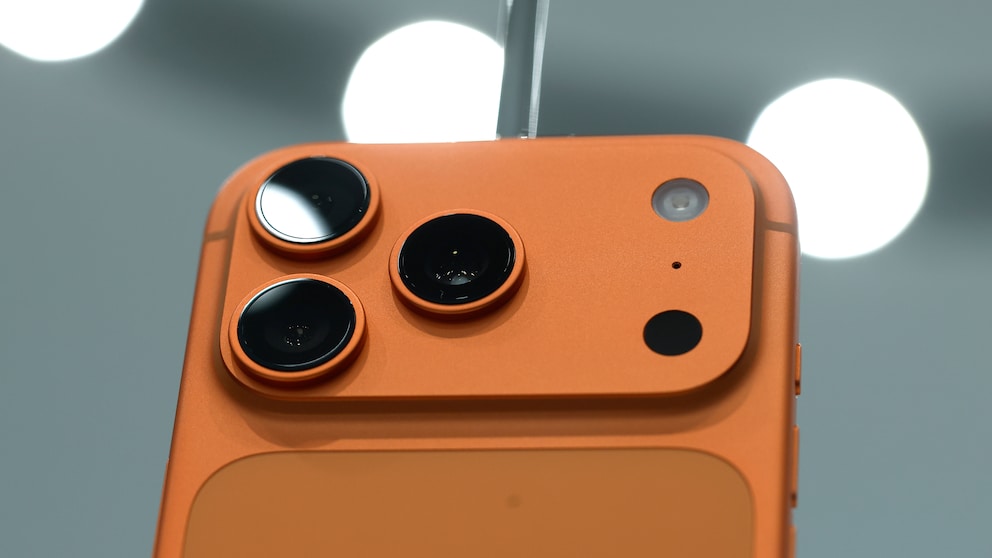
Normal smartphone cameras capture the spectral bands for the colors red, green, and blue (RGB) visible to humans. However, Apple is currently considering using a multispectral image sensor for a future iPhone that can detect additional light waves, such as in the infrared and ultraviolet bands. This technology could contribute to better object recognition and provide more information about image depth.
New Sensors Currently Under Review
The information comes from the well-known leaker Digital Chat Station, who shared it in a post on the Chinese blogging platform Weibo. According to them, Apple has shown interest in multispectral sensors—“the suppliers are reviewing them, but testing has not yet begun.”
Current smartphone cameras work with light in the red, green, and blue spectral range. Multispectral sensors additionally capture other wavelengths, such as near-infrared. This allows them to capture image information that is not visible with conventional sensors.
Multispectral Imaging Offers Numerous Advantages
These additional details could enable the iPhone to better distinguish between materials and surfaces. Different materials reflect light differently depending on the wavelength. According to “MacRumors,” multispectral sensors can more accurately detect these differences on surfaces like skin, fabrics, plants, or reflective surfaces.
The detailed differentiation of materials by the iPhone camera can help improve subject recognition. Effects like background separation in portrait shots could also work more reliably, as the camera can more clearly separate subjects from the background.
When processing images in low-light conditions, the additional information offers another advantage. But the data is also suitable for machine learning directly on the device, such as for object recognition and assessing image depth. “MacRumors” therefore speculates that they could also contribute to improving Apple’s AI image analysis with visual intelligence.

Big News! Apple Reportedly Plans Major Camera Innovation for iPhone 18
iPhone 18 to Feature Completely New Camera
Limited Space for Camera in iPhone
However, integrating multispectral sensors presents technical challenges. Such systems are more complex than conventional cameras and require more space for additional components inside the device.
The technology is therefore still in the evaluation phase. If the costs or effort do not justify the benefits, the multispectral camera is unlikely to make it into a finished iPhone.
Also of interest: iPhone Fold to Get a Completely New Camera First
Variable Aperture Confirmed Again
The leaker Digital Chat Station also addresses another rumor in their post. According to their information, Apple is testing the new 48-MP main camera with a variable aperture with a technical prototype of the iPhone 18 Pro. This allows control over how much light hits the sensor. Additionally, the 48-MP telephoto camera is also expected to get a larger aperture.
However, the leaker questions the 200-MP camera that is also being discussed. As TECHBOOK has already reported, Apple has only tested this so far, but is not considering it for the upcoming iPhone generation. The material testing phase with a Samsung sensor is still ongoing.

This Seems Familiar
“Before I switched to iPhone, my last Android device was the OnePlus 8 Pro. The smartphone had a special trick up its sleeve that, to my knowledge, no other manufacturer has imitated to this day—and for good reason. The 8 Pro had an additional 5-MP color sensor that was supposed to enable the so-called photochrom filter. In addition to black and white, it could also detect infrared light, which ultimately became the company’s downfall.
With the camera, it was possible to simply see through certain materials thanks to infrared detection. Whether it was a remote control or a stovetop, suddenly users could take X-ray-like images of the insides of all kinds of objects. This naturally made headlines, as many feared it could also see through clothing. In a few cases, this could be proven, so OnePlus had to react. The camera was completely disabled via a software update, and the filter was only simulated in software.
Apple is likely aware of this issue and will take appropriate precautions. However, it makes me excited about the possibilities of a multispectral camera. Because even if the implementation might be problematic, an X-ray camera is undeniably cool.”