


April 16, 2026, 12:18 pm | Read time: 3 minutes
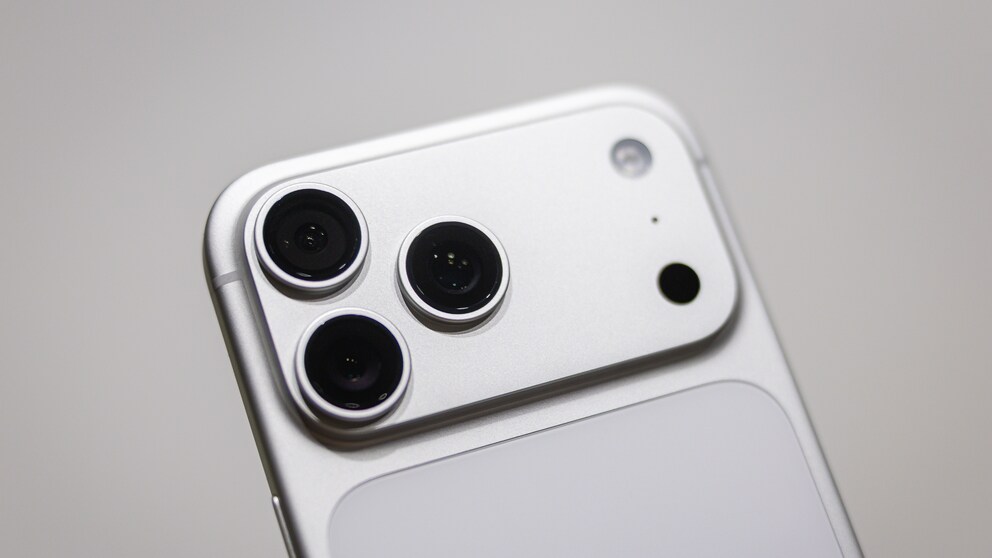
A year ago, renowned industry analyst Ming-Chi Kuo predicted that the iPhone 18 Pro would feature a fundamentally new camera design. Several reports from Apple’s supply chain have since confirmed this rumor. Apple is reportedly working on a variable aperture that can allow more or less light onto the sensor as needed. This significantly enhances the camera’s capabilities for photos and videos.
Production for New iPhone 18 Camera Started
In October 2025, Apple had already finalized the installation plans for the camera with a variable aperture in the iPhone 18 Pro (Max), as reported by the Korean trade publication “ETNews” from industry sources. This was followed by discussions with suppliers to start the production of the necessary components and camera modules.
According to the report, several Apple partners are involved in developing the new camera system. LG Innotek and Foxconn are reportedly responsible for producing the camera with the variable aperture itself. Actuators and parts of the aperture come from Sunny Optical and Luxshare ICT.
Sunny Optical has reportedly already begun producing the actuators, according to “ETNews.” The assembly of the camera module is expected to follow in early summer. LG Innotek could start manufacturing at the Gumi plant in South Korea in June or July. Due to the high complexity of the new camera module, the supplier is likely to take on a large portion of the production. Other manufacturers like Cowell are also expected to be involved.
More Control Over Depth of Field
The feature isn’t entirely new. The Samsung Galaxy S9 from 2018 already had a variable aperture that could switch between f/1.5 and f/2.4. At the time, there was little reason to do so. The larger the aperture, the more light hits the sensor. Smartphone cameras typically have wide apertures to let as much light as possible onto the small sensors. High-end devices with modern sensors can already create DSLR-like depth of field, where a person or object in the foreground is in focus and the background is blurred—or vice versa.
Also interesting: Apple Plans to Shrink an Important Element for the iPhone 18
Depth of field is very popular for portrait shots, but it’s impractical for photos of landscapes or buildings, where the entire image should be in focus. Narrowing the aperture would achieve this effect. In video recording, it can sometimes help to let less light onto the sensor. At lower frame rates in film format (24 frames per second), the smartphone camera often compensates for bright light with a higher shutter speed, which can make the video appear choppy. This can be countered with ND filters—or by narrowing the aperture.