

April 13, 2025, 3:28 pm | Read time: 6 minutes
The two major operating systems for smartphones are Android and iOS. But what exactly differentiates the systems, and is one better than the other?
For many years, the tech world has debated which is better: Android or iOS, or rather, the iPhone? The fact is, these two smartphone operating systems dominate a large portion of the market. So, when buying a smartphone, one inevitably faces the question of whether to go with Android or iOS. TECHBOOK explains the strengths and weaknesses of the systems in a direct comparison.
Overview
Functionality with Other Devices
The primary advantage of Apple’s iPhone is its extensive ecosystem. This refers to the manufacturer’s devices and their seamless interaction. Apple devices are known for working excellently together. For example, if you write something on a MacBook, you can easily continue editing the document on an iPhone. If you’re listening to music on an iPhone and switch to a movie on an iPad, the AirPods automatically switch the source–not to mention that they always connect quickly and smoothly with other Apple devices.
Google has significantly improved its Android operating system in this regard, especially when considering its own Pixel series, which includes smartphones, smartwatches, headphones, and tablets. However, no Android manufacturer comes close to the integration with other devices that Apple offers. On the other hand, Apple struggles more with compatibility with other devices. The iOS advantage primarily applies if you have other Apple devices.
Privacy with iOS and Android
In terms of privacy and data protection, Apple’s iPhone is ahead of all Android smartphones. On the iPhone, you can, for instance, prevent apps from tracking you and receive a warning when the camera or microphone is recording. Many data are processed directly on the device without being sent to external servers. Apple consistently emphasizes that privacy is a fundamental right and that personal data is not primarily used for advertising.
Google, on the other hand, bases many of its services on a data-driven business model. Android collects more user data, which is often processed in the cloud and linked to the Google account. Although Google has improved privacy with new settings and security features, such as privacy dashboards and detailed app permissions, data processing remains a central part of its platform.
Also interesting: Why our editor switched to the iPhone after 13 years
The Update Strategy
In recent years, Android has made significant strides in terms of updates. For a long time, iOS was ahead, especially regarding regularity, speed, and duration of software support. Since Apple develops both the hardware and software of its devices, all compatible iPhones receive new iOS versions simultaneously and worldwide. Due to some EU restrictions, the scope of updates has varied by region since 2024. For instance, users in the EU had to wait a long time for Apple Intelligence, while the AI was already available in the U.S.
Typically, iPhones receive new system versions and security updates for five to six years. Even older devices that no longer receive new iOS versions often still get important security updates. This reliability is one of the biggest advantages of the iOS ecosystem.
In comparison, an Android update is much more complex because the system is used by many different manufacturers. Whether Samsung, Xiaomi, Motorola, or Honor–they all adapt Android to their needs, which is why updates take some time to reach users. An exception is Google’s Pixel series, where updates arrive almost as quickly as with Apple.
Since the Pixel 8, Google has also promised up to seven years of updates, a promise that some other providers like Samsung have also adopted for their top models. On average, most Android smartphones offer between two and four years of system updates, with flagship models usually supported longer than budget models.
In direct comparison, Apple currently leads with iOS in terms of reliability, speed, and duration of updates. iPhones are supported worldwide simultaneously and for many years. However, Google is on track to catch up or even take the lead in this area with its Pixel devices, especially since announcing seven years of guaranteed updates. The entire Android ecosystem, however, remains at a disadvantage due to its lack of uniformity in update support.
iOS 26.3 Simplifies Switching from iPhone to Android Smartphone
iOS 26.3 Is Here! Should You Install the Update Right Away?
Scope and Variety
The greatest strength of Android smartphones is undoubtedly their sheer variety. From a 100-euro budget device to a 2000-euro foldable smartphone, anything is possible. In contrast, Apple smartphones often start at 500 euros. Innovations like foldable displays also often appear first with Android. Additionally, unlike iOS and Apple, you are not tied to just one manufacturer, but have a wide selection.
Android smartphones also offer significantly more customization options than the iPhone. You can change the home screen, install new themes, set different default apps, and even change icons. However, Apple has become more open in recent years.
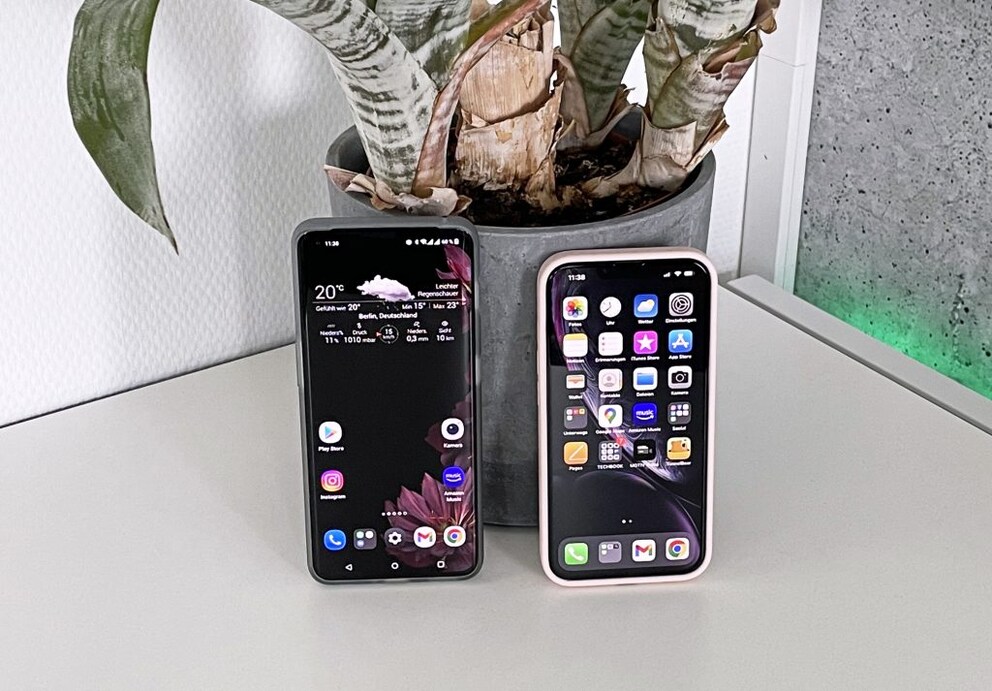
The iOS home screen has been much more customizable since iOS 14, released in September 2020. Users have since been able to place widgets directly on the home screen and remove apps from the home screen without uninstalling them, allowing for more free design. With iOS 16, released in 2022, lock screen customization was added, including different fonts, colors, photos, and interactive widgets.
Conclusion: Android or iOS?
So, which system is better based on its features, and which is suitable for whom? In summary, it can be said: Android stands for flexibility and openness. Users can heavily customize the system, install their own launchers, delve deeper into system settings, and have a wider selection of devices in various price ranges. Android is also more open in app management and file handling.
iOS, on the other hand, offers a closed but very stable and user-friendly environment. Apple places great emphasis on privacy, system integration, and long-term software support. iPhones work particularly well with other Apple devices (e.g., Mac or Apple Watch), making the system especially attractive for users within the Apple ecosystem. The operation is intuitive but less customizable than Android.
Which system is “better” thus strongly depends on personal needs and preferences–both have clear strengths. If you already have an iPhone and other Apple devices, switching to Android is difficult. The reverse is less of a problem. Instead, when switching from Android to iPhone, you have to accept many limitations.