

November 18, 2026, 4:44 pm | Read time: 2 minutes
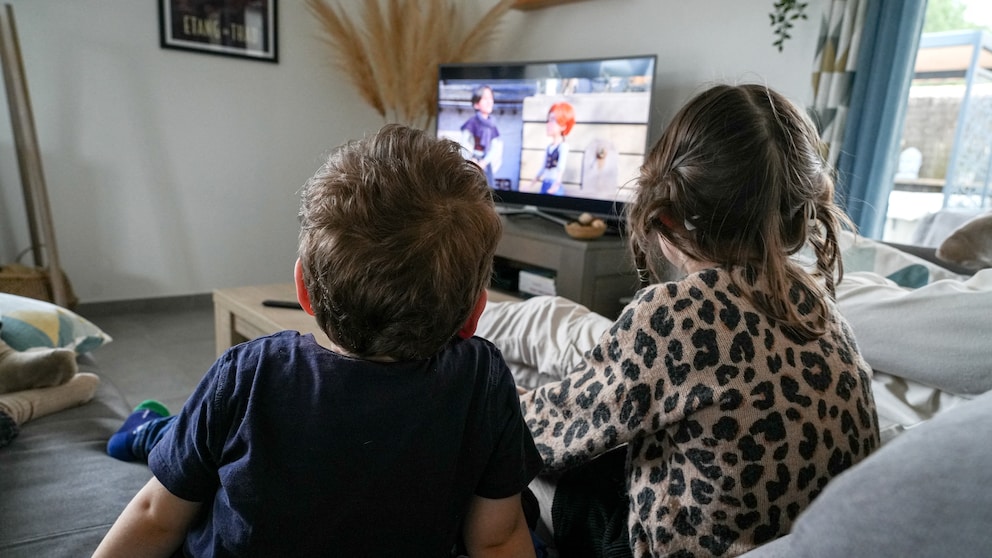
YouTube is once again changing how it calculates view counts. In the future, when videos are watched on TVs, it will also consider when multiple people are watching together. These so-called “Co-Views” mean that a single play on a TV can count as multiple estimated views.
How YouTube Counts the New Co-Views
On its community page, YouTube explains that Co-Views “include the estimated number of people watching together on a TV” in a video’s view count. The change only affects TV playback. On smartphones and computers, a played video will still be counted only once.
The new method applies to long videos, as well as Shorts and live videos. YouTube will not retroactively adjust existing view counts. The additional views will be added moving forward.
Earlier this year, YouTube changed how it calculates views. Since then, a view is counted as soon as the first frame of a video is played.

What’s Changing in YouTube Advertising

Dolby Vision 2 Is Coming–Do I Need a New TV?
Why YouTube Is Changing the Counting Method
One reason for introducing Co-Views is the significant role TVs play for the platform. Worldwide, users watch more than a billion hours of YouTube content on TVs daily. The additional data is intended to help video creators with their channel strategies and brand presentations.
At the same time, YouTube aims to provide “a more complete picture of how viewers interact with content.” The method aligns with TV industry standards. Traditional TV broadcasters and streaming providers also estimate how many people are watching their content overall.
Also of interest: YouTube revamps homepage–and users are annoyed
However, the additional views do not bring more money to video creators. YouTube does not consider Co-Views as “Qualified Views.” Therefore, they are not included in the platform’s revenue calculations.
How YouTube Estimates the Number of Viewers
YouTube does not directly track how many people are actually sitting together in front of a TV. Google emphasizes that no cameras, microphones, or personal devices are used for this purpose.
Instead, the company relies on a statistical model developed by Google researchers. The estimate incorporates factors such as demographic patterns and viewing times. Additionally, the model is cross-referenced with data sources like industry panels. YouTube is gradually rolling out the new Co-Views.