


February 14, 2024, 2:29 pm | Read time: 4 minutes
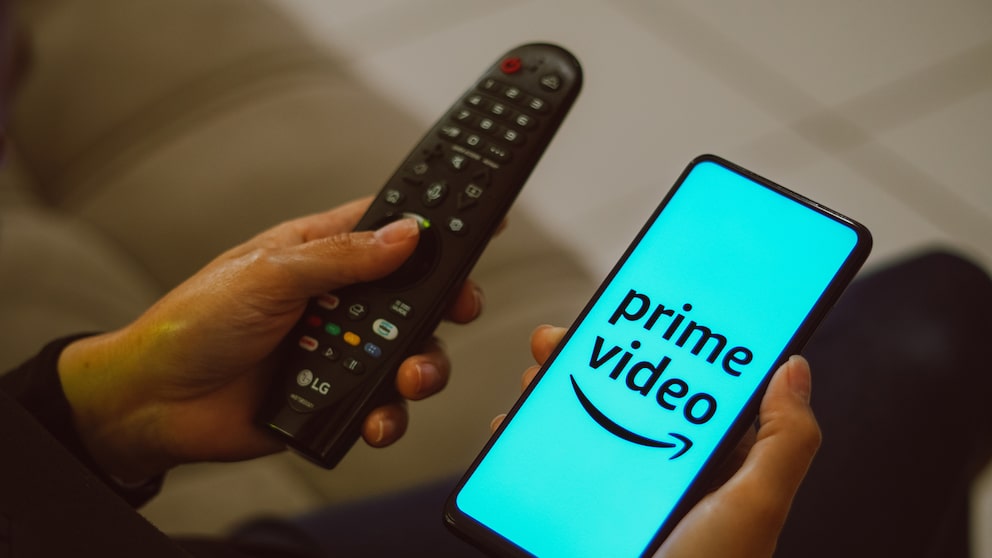
Since February 5, Amazon has been showing ads on Prime Video. Those who don’t want this must now pay an additional option for 2.99 euros per month. The provider itself has barely commented on the change, and few details are known. It is now clear: Amazon not only shows ads, but the subscription has also been downgraded in other areas.
The introduction of ads on Amazon Prime Video is stirring emotions. While Netflix, Disney+, and Sky’s Wow now offer ad-supported subscriptions, these are deliberately optional with those streaming providers. It’s different with Amazon, as Prime Video is not offered as a separate subscription. Those who, for example, have signed up for an annual Prime subscription are getting less value for their money. And not only that: As some users report, Amazon has downgraded the streaming quality on Prime Video with the change and completely removed another feature. The previously included standards Dolby Vision HDR and Dolby Atmos 3D sound are now only available to users who have opted for the ad-free option.
Amazon Reveals Few Details on Changes to Prime Video
So far, there have been no indications that Amazon has made further adjustments beyond the introduction of ads on Amazon Prime. The provider has barely commented on the change and has only provided the most necessary information. In an email to all Prime subscribers, it stated:
Starting February 5, titles on Prime Video will include ads to a limited extent. This allows us to continue investing in top entertainment and live sports content and to increase this investment in the long term. Our goal is to show significantly less advertising than traditional TV channels and other video streaming providers. You do not need to take any action, and the current price of your Prime membership will not change. We will also offer a new ad-free option for an additional 2.99 euros per month.
Email from Amazon to Prime customers
Even upon request, the provider gave no details on how much advertising subscribers will see, how long the clips will last, and with which advertising partners they are cooperating. Only that they want to show less advertising than the competition is the broad framework set by Amazon. However, the TECHBOOK editorial team has found that the ad breaks last a maximum of 30 seconds and typically one to two spots are shown in succession. Additionally, the ads usually appear before the start of a series or movie or within the first 20 minutes of the broadcast. It is quite possible that Amazon could adjust this rhythm in the future.
Amazon Launches Prime Video Ultra and Raises Prices
Amazon Overhauls Prime Video Completely
Streaming Quality on Prime Video Worsens with Ads
A week after the start of ads on Prime Video, further restrictions are now apparent. Initial users report that content can no longer be streamed with Dolby Vision HDR and Dolby Atmos 3D sound in the regular Prime Video subscription. The colleagues from 4K-Filme conducted a test and were able to confirm these observations on Samsung, LG, and Sony smart TVs.
TECHBOOK inquired with Amazon. The company confirmed to us the restriction of streaming quality in the ad-supported subscription. “Dolby Vision and Dolby Atmos features are only available in the ad-free version and with corresponding content,” an Amazon spokesperson said. Why Amazon did not communicate this step on its own remains unclear. And something else is missing in the new ad-supported subscription: Watch Party. This feature allows customers to watch a movie or series together with others—even if they are not in the same room. This feature has also moved to the paid add-on option without prior communication with the change.
What Remains of the Regular Subscription?
Prime subscribers who do not want to pay the surcharge for the ad-free option can still watch content in 4K, HDR10, and Dolby Digital 5.1, as long as these are available for the respective content and supported by the device. However, for the additional picture and audio optimization through Dolby Vision and Dolby Atmos, they now have to pay extra—a fact that Amazon has not communicated so far.
Other providers like Netflix and Disney+ also restrict their ad-supported offerings. For example, there is no 4K and HDR, and downloads are not allowed. However, the ad-supported subscriptions are cheaper at 4.99 euros and 5.99 euros per month, respectively, than Amazon’s. The price for Prime Video cannot be determined in detail, as the subscription for 8.99 euros per month includes other services and benefits besides streaming access. But users must pay the price even if they want to use the streaming service alone and separate from the other Prime benefits.