

January 13, 2026, 7:12 am | Read time: 3 minutes
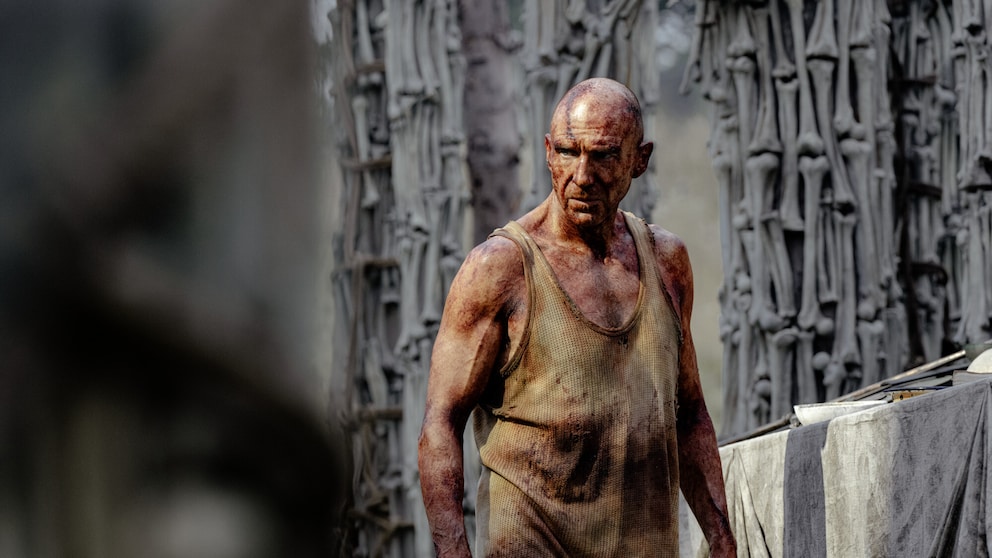
With “28 Years Later,” a dark post-apocalyptic film has been created that stands out not only in content but also technically. Director Danny Boyle once again relied on unconventional methods for the continuation of his cult series—and shot the entire film with iPhones. This was less of a marketing gimmick and more of a deliberate creative decision.
The first part of the series already set standards, including technically. “28 Days Later” from 2002 was made with a relatively simple digital camera at the time, which significantly contributed to the raw, oppressive atmosphere. Boyle pursued exactly this approach with “28 Years Later.” Instead of glossy images, he wanted to create a raw, immediate look again—and consciously chose against traditional cinema equipment.
Why iPhones Were Enough
In an interview with the magazine “Wired,” Boyle explained that modern iPhone cameras have now reached a level suitable for professional productions. The devices allow high-resolution recordings and deliver material in ProRes format, which is particularly good for post-production. For the director, the smartphone was not a makeshift solution but a deliberately chosen tool. Specifically, mainly iPhone 15 devices were used. Exceptions were drone and infrared shots, as cinematographer Anthony Dod Mantle explained in an interview with “IndieWire.”
There was also a financial aspect. Instead of renting a single, expensive film camera, Boyle bought around 20 iPhones. This opened up creative possibilities that would have been significantly more expensive with traditional technology.
Bullet-Time with Smartphones
One of these effects is the so-called Bullet-Time style, known from the “Matrix” films. In this, a scene is filmed simultaneously from many perspectives, allowing seemingly frozen moments with a moving camera to be created later. Boyle mounted several iPhones in a semicircle on a rig and recorded action scenes in parallel.
In an interview with “Wired,” he jokingly referred to this setup as “Bullet-Time for the poor.” The effect was mainly used in intense fight scenes. The key was not only the look but also the flexibility: The lightweight smartphones could be quickly reconfigured and adjusted.

Will Netflix Soon Feature More AI Content?
Why a Photographer Used a 100-Year-Old Camera to Capture the World Cup
Filming Far from Civilization
Large parts of “28 Years Later” were shot in the wilderness of Northumbria, England. The low weight of the technology allowed the team to reach remote filming locations without having to transport heavy equipment or alter the environment. Boyle emphasized that this preserved the natural landscape—a central component of the dark post-apocalyptic mood.
To maintain full control over the image, the director disabled the iPhones’ automatic mode and supplemented them with additional accessories. He did not provide details on this.
Sequel Follows
“28 Years Later” was already released in 2025. With “28 Years Later: The Bone Temple,” the next sequel in the series is now on the horizon. The film was directed by Nia DaCosta and is set to premiere in theaters on 15 January. Unlike its predecessor, it is not yet clear whether and to what extent iPhones were used in the filming.