


August 27, 2026, 12:05 pm | Read time: 3 minutes
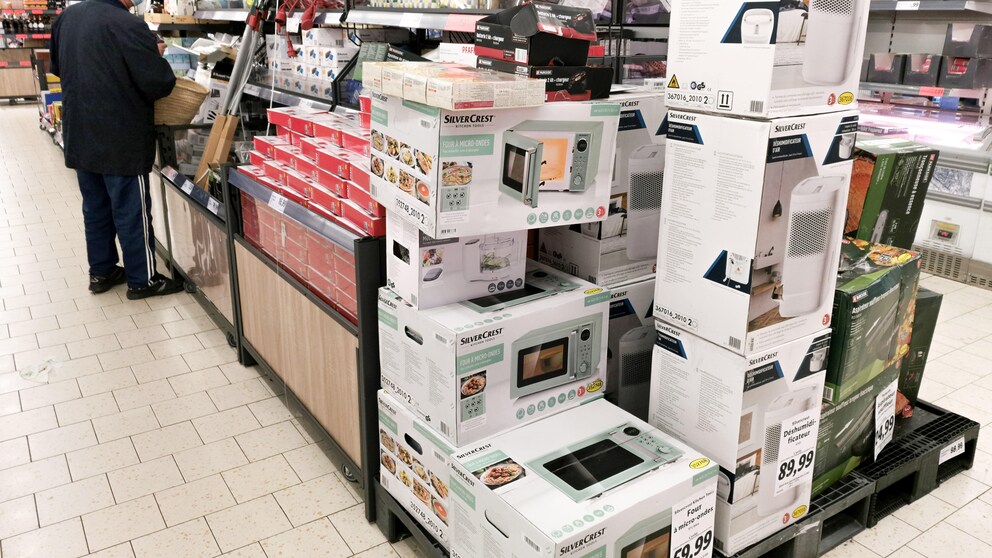
Anyone who shops at Lidl knows the name Silvercrest. Under this brand, the discount retailer has been selling electronics and household appliances for years, including kitchen machines, microwaves, smart home components, and tech accessories for smartphones.
Officially, Silvercrest is a private label of Lidl Stiftung & Co. KG. The brand name has been legally protected since May 1999 and is used exclusively by Lidl, as the retailer revealed to TECHBOOK. However, there is little information available about the brand itself. Those searching online may come across websites like silvercrestde.com, which give the impression of officially representing the brand. However, Lidl states that it has no connection to these sites, meaning the information about Silvercrest shared there is not verified.
What is certain is that private labels like Silvercrest have been part of Lidl’s expansion strategy since the 1990s. The goal is to offer affordable alternatives to established brands while also sharpening its own profile.
Silvercrest Products Often Produced Behind the Scenes
According to Lidl, Silvercrest stands for “years of expertise in kitchen and household.” The brand is intended to reflect a “high quality and value-for-money promise.” More than 300 Silvercrest products are offered to customers through Lidl’s online shop. These include devices in the areas of kitchen and household, multimedia, technology, and personal care, according to Lidl’s statement to TECHBOOK.
However, Silvercrest is not a traditional manufacturer. The devices are backed by various suppliers and producers commissioned by Lidl. Further details on this were not disclosed.
There is thus little transparency about which factory produces which device. “The development and design of Silvercrest products are carried out in collaboration with our suppliers,” the retailer explains vaguely. The aim is to make innovations accessible to the masses and translate them into practical products.
The fact that different manufacturers are responsible for the products behind the scenes explains why quality and workmanship can vary from model to model. Comparing the devices with those of established brand manufacturers can therefore be challenging.
Who Is Behind the Lidl Electric Brand Chiq?
What You Should Know About the Parkside Tool Brand
Significance for Lidl and Consumers
For Lidl, Silvercrest is far more than just another label on the shelf. The brand represents the promise of offering technology at affordable prices, which often performs surprisingly well in tests. For consumers, Silvercrest has thus become synonymous with affordable technology–similar to Medion for Aldi. Particularly popular are the kitchen machines with cooking functions, which have repeatedly made headlines as “Thermomix competitors.” The affordable AirTag alternatives from Silvercrest are also popular with buyers.
For the discount retailer, the brand is thus an important tool for customer retention. At the same time, the range of electronics and household appliances gives Lidl an expanded profile that goes beyond food.
Read more from our colleagues at myHOMEBOOK: Who is behind the Parkside tool brand?
In the End, Some Uncertainty Remains
As successful as the Silvercrest brand is, it remains opaque. The lack of transparency about production conditions raises questions. Added to this are technical challenges: In 2023, Lidl had to revamp the app ecosystem of its Silvercrest smart home series, causing uncertainty among buyers.
In conclusion, Silvercrest is less a manufacturer and more a brand promise from Lidl: technology for the budget-conscious that is good enough to withstand everyday use. The brand shows how discount retailers have managed to build their own brand worlds beyond food–with all the opportunities and downsides.