


March 24, 2026, 11:32 am | Read time: 5 minutes
Ordered an expensive smartphone—but the package only contained a jar of pickles. What sounds like an isolated incident happens repeatedly in online retail. Recent examples show how important it is to be able to prove such occurrences. Consumer advocates offer specific recommendations on how customers can protect themselves and what rights they have in case of an emergency.
These cases are not isolated: Customers frequently report unusual delivery mishaps. Instead of high-quality electronics, everyday items or even worthless contents suddenly appear in the box. Alongside the smartphone and pickle jar incident, numerous similar examples circulate. Buyers have received colored pencils instead of a notebook or completely empty packages.
A recent case from the U.S., shared on Reddit, illustrates how complicated these situations can be: Instead of a graphics card worth around 3,900 euros, he allegedly received only a package of detergent. He even filmed the unboxing, initially doing everything right. But the case is not straightforward.
Detergent Instead of a Graphics Card? Doubts About the Evidence Video
The customer ordered a Gigabyte GeForce RTX 5090 Windforce OC graphics card worth around 3,900 euros through Amazon. However, the package contained only a one-kilogram bag of detergent.
The delivery arrived on March 14, 2026. While the outer shipping box was intact, the actual product box showed clear signs of tampering: broken seals, covered areas, and a conspicuous barcode. According to the customer, the shipping weight of 1.56 kilograms was also notable, matching the detergent and its packaging exactly. A genuine graphics card of this type weighs between 2 and 2.5 kilograms.
The buyer became suspicious and acted as advised for recipients of such expensive orders. He filmed the unpacking. In the video, he initially shows the package from all sides. At the crucial moment, opening the product box, he briefly takes the package out of the camera frame. A clear cut in the video is visible. He then shows the already opened box again—with the detergent inside. This approach raises questions and casts doubt on the video’s comprehensive evidential value.
Amazon Denies Refund
Amazon apparently saw it the same way and denied a refund despite the presented evidence and an eight-day review. The company stated that the goods were delivered correctly.
The case of the U.S. customer is not yet resolved. However, several similar cases from Germany have already been concluded. Victims of such fraud, where expensive goods are swapped for cheap or worthless substitutes, often face a long process. They must prove that the ordered product was indeed not in the package.

How a User Brazenly Scammed Amazon

Package Damaged? How to File a Claim Correctly
Recommendations for Greater Security
To prevent such problems in the first place, consumer advocates offer specific recommendations:
- Do not rule out legal action: If the dispute seems unsolvable, one can seek legal advice or file a criminal complaint. This is also possible online.
- Document package condition before opening: Before unpacking, weigh and photograph the package. This also applies to returns, which should always be sent insured and trackable. The weight should additionally be noted on the delivery receipt, which should be carefully preserved.
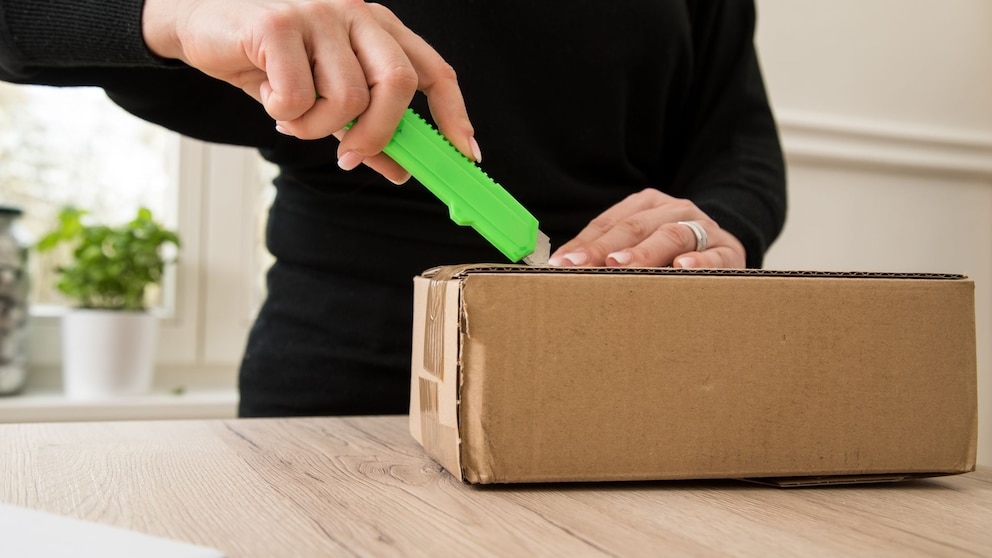
- Film the unpacking–easy evidence presentation: A video of the unpacking can be crucial in a dispute. Therefore, it is recommended to always film the opening—ideally in the presence of a witness. The same applies when packing a return.
- Immediately document and report incorrect deliveries: If unexpected goods are in the box, photograph the contents so that the sender’s name and address are visible. These evidence photos are used to immediately report the incorrect delivery to the sender.
- Do not accept damaged shipments: If the package is visibly damaged upon delivery or shows signs of tampering with the shipping label, refuse acceptance directly at delivery. Then report the incident to the retailer.
- Conduct communication in writing: For proof reasons, it is recommended to communicate with the retailer exclusively in writing. A two-week deadline for responses or refunds should be set.
- Check chargebacks–weigh possible consequences: In the event of an incorrect delivery, it may be wise to check whether the paid amount can be charged back to the original payment method. However, note that retailers or marketplaces may suspend the user account. Consumers should not be intimidated by this.
Retailers Responsible for Loss and Incorrect Delivery
According to consumer advocates, commercial sellers bear the risk for shipping until delivery to the customer. If a shipment is lost or damaged, one is entitled to a replacement or a refund.
Additionally, retailers are obligated to deliver the correct goods. An incorrect delivery is considered a defect, so customers still have the right to the ordered goods. The retailer must also cover additional shipping costs.
For empty packages, the burden of proof lies with the seller. He must prove that the correct item was actually shipped. If he fails, he is obliged to deliver again. Alternatively, buyers can withdraw from the purchase contract and demand their money back. Transferring responsibility to the transport company is not permitted.