

November 1, 2026, 3:27 pm | Read time: 2 minutes
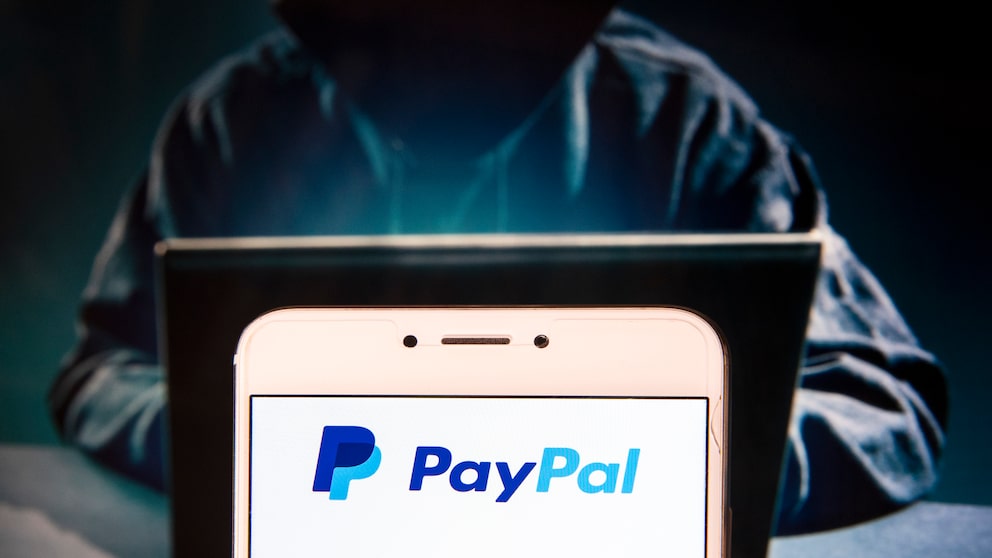
PayPal is used for online shopping as well as sending money to friends. Criminals exploit this trust with a fake email. They claim to announce new security measures for the account and urge a quick review. In reality, the goal is to capture personal data.
Fraudsters Put Recipients Under Time Pressure
The Consumer Center of North Rhine-Westphalia warns of an email with the subject “Update of Security Standards: Please Confirm Profile Activity.” Recipients are urged to click the “Check Now” button within just 24 hours. The short deadline increases pressure and is intended to prompt a quick reaction rather than a careful examination of the message.
There are further signs of the fraud attempt. According to the consumer center, the sender’s address appears untrustworthy, and a personal salutation is missing. PayPal states that in genuine emails, customers are addressed by their first and last names or company name. Even a familiar name in the sender field does not guarantee security. It does not prove who actually sent the message.

Amazon Customers Warned of Account Suspension! Beware of Phishing Scam

Protect Yourself From Identity Theft With These Tips
A Fake Log-in Page May Be Behind the Link
In such fraud attempts, the included link often leads to a replica login page. It is designed to make users feel they are logging into PayPal as usual. However, entering a password there transmits the login details to criminals. With the stolen information, perpetrators can attempt to take over the PayPal account. This type of data theft is known as phishing.
Also of interest: WhatsApp Scam with Ballerina Leads to Account Theft
Therefore, recipients should neither click on a link in the suspicious message nor enter personal data there. Instead, it is recommended to open the official PayPal app or manually enter paypal.com in the browser’s address bar. After logging in, one can directly check in their own account whether there is indeed a notification or request.
What to Do After a Fraud
Anyone who has already entered login details on a fake site should immediately change their PayPal password and check recent transactions. If bank or credit card data is also affected, the bank or card provider should be informed immediately. If necessary, the account or card can be blocked. In case of suspected fraud, victims should also file a police report.