



September 30, 2026, 3:53 pm | Read time: 4 minutes
More and more Amazon customers are suddenly receiving packages—even though they haven’t ordered anything. Behind this is a clever scam called “brushing.” We explain how it works and what to watch out for.
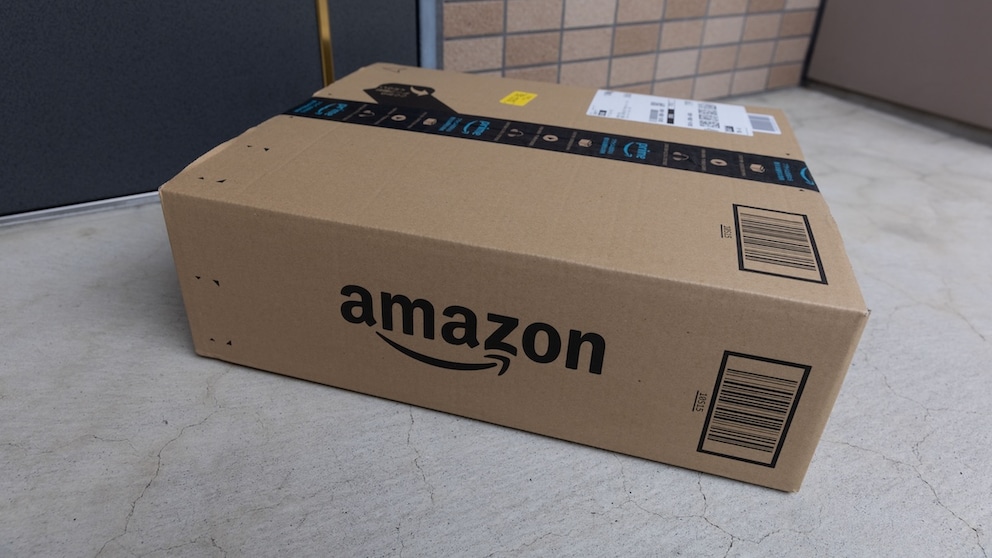
A package at the doorstep—but you haven’t ordered anything? You’re not alone. Increasingly, Amazon customers report unexpected deliveries. The contents: usually cheap trinkets like phone cases, kitchen gadgets, or no-name electronics. There’s no order in the Amazon account. This could be brushing. What’s behind it?
How Brushing Works on Amazon
The brushing scam aims to manipulate reviews. The goal is to generate as many 5-star reviews from verified buyers as possible for a product. “Verified purchase” are the key words here. While ordinary reviews can be easily faked, this is different. Only those who have actually purchased the product receive this label on their review, lending much more credibility than regular reviews. The perpetrators, who send unordered products to customers, are usually the sellers themselves or their agents.
But what do the recipients of the packages have to do with the scam? In the brushing method, scammers create profiles under other people’s names. They may have stumbled upon these data sets by chance or purchased them. With these profiles, they order the goods that need positive reviews. They write the review themselves as a certified buyer, but the goods end up with unsuspecting customers.
However, there’s some reassurance here. The victims don’t have to pay for the goods. On the contrary, they receive them more or less as a gift. For dubious sellers who want to boost their products this way, the review is worth far more than the merchandise. The cheaper the item, the more lucrative the scam.

Customer Bought Counterfeit RAM on Amazon

Beware of PayPal Scams in Classified Ads
Are There Any Downsides to Brushing?
This is a question one might ask. However, there are two things affected individuals should consider despite the free goods. First, fake reviews ultimately harm every Amazon user. These products automatically rank higher due to increased sales and good reviews, reaching more people. So, you might not be getting the best or truly most popular product suggested, even if it seems that way.
Besides this more general issue, there’s also a personal one. Somehow, the scammers have obtained your data to commit identity theft. Check if this information is publicly accessible online. A simple Google search is often enough. If not, the data might have come from a hack. In that case, it’s best to change all important passwords.
Also interesting: An Amazon Package from Order to Truck:

What Customers Should Do About Brushing
First, make sure the received package isn’t a gift from friends or family. If you can rule that out, contact Amazon immediately. They even have a dedicated help page on brushing. You can report the case to Amazon customer service, where you may be asked to photograph the shipping label. After that, the case is closed. You can still keep the goods.
Amazon states it actively combats brushing, as reported by “Computer BILD” (part of Axel Springer SE, like TECHBOOK). But it’s challenging: The perpetrators act anonymously, with fake accounts, often outside Europe. There are rarely any reports—after all, there’s no direct victim. For Amazon, the problem remains significant: If users no longer trust the review system, the entire shopping experience suffers. And that could ultimately affect legitimate sellers who operate honestly.
Also interesting: What is Review Bombing?
Anyone receiving such a package should document it (e.g., with photos), not return it, and inform Amazon customer service. Address data is difficult to protect online—but with an account at an identity leak warning service (like “Have I Been Pwned“), you can at least check if personal data is already circulating.