

December 26, 2025, 11:58 am | Read time: 2 minutes
Phishing attacks are a well-known scam where criminals attempt to obtain personal data through fake messages. A new variant now targets DHL customers. Fake pickup slips are used to deceive victims. This scam gains particular significance during the online shopping season.
Fake DHL Pickup Slips
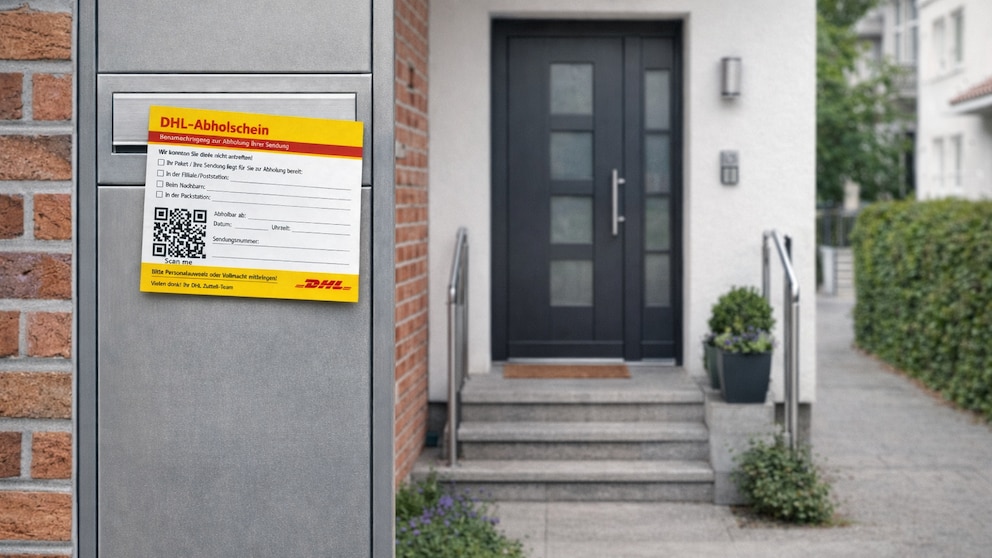
The classic yellow pickup slips from DHL are a familiar sight to many. When a package cannot be delivered, couriers leave this notice. Fraudsters are now using deceptively realistic replicas of these slips to trick customers. The crucial difference: These fake slips contain a QR code that is supposed to be scanned to arrange a new delivery.
However, when scanning the code, users do not land on an official page but on a fake website that asks for personal data such as name, address, and bank details. This fraudulent site is deceptively similar to the real DHL site.

Fake QR Codes on Parking Meters! Police Warn of Scam

Where does the term phishing actually come from?
The Increasing Professionalism of Phishing
A new form of phishing is the so-called “quishing,” which involves the use of QR codes. This method is also spread via emails, SMS, or fake social media profiles. Jens-Uwe Hogardt, a spokesperson for DHL, explains that the scams are becoming increasingly professional.
Official DHL messages only come from specific email domains such as “@dhl.com” or “@dhl.de.” Messages from providers like Gmail or Yahoo are fakes. Additionally, links in official DHL emails only lead to certain secure websites. Package tracking should always be done via the official DHL website or their app.
Also of interest: DHL now charges a special fee for packages
Recommendations and Protective Measures
Affected users should immediately report the incident to the police and DHL customer service. It is also advised to change the password immediately and never disclose personal data via unknown links. These measures help limit the damage and prevent future fraud attempts.