

October 21, 2025, 12:30 pm | Read time: 3 minutes
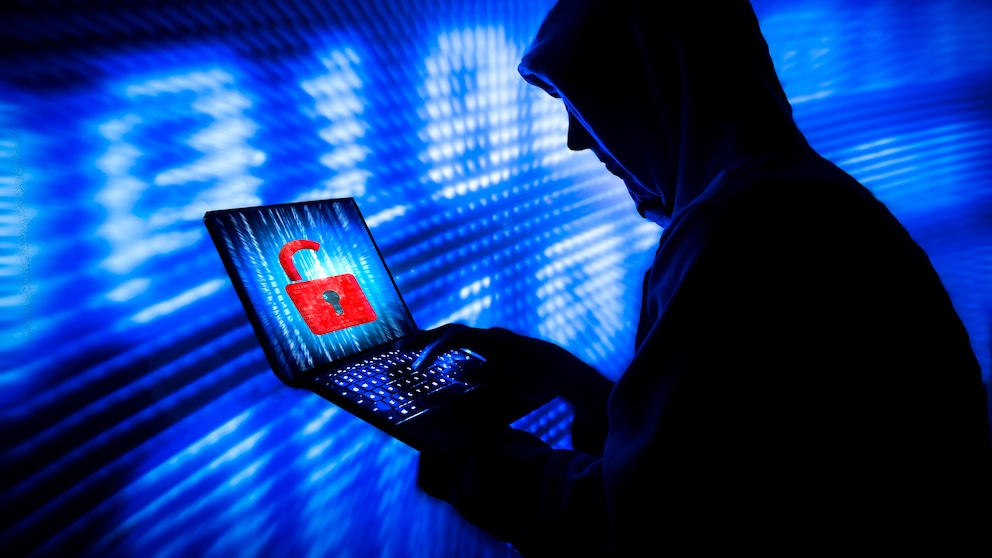
Criminal hackers continue to attack companies, authorities, and private users worldwide. The EU is also being targeted, especially Germany. According to the new Microsoft Digital Defense Report 2025, no other EU country is as much in the focus of cybercriminals.
In the first half of 2025, 3.3 percent of all global cyberattacks targeted German entities, according to the report. This places Germany fourth among the most affected countries. The U.S. is significantly more affected, with 24.8 percent of all attacks, followed by the United Kingdom with 5.8 percent and Israel with 3.5 percent. Following Germany are Ukraine (2.8 percent), Canada and Japan (each 2.6 percent), India (2.3 percent), the United Arab Emirates (2.0 percent), as well as Australia and Taiwan with 1.8 percent each.
Perpetrators Mostly Aim to Extort Money
According to Microsoft, financial gain is the primary motive behind most attacks. In more than half of the cases (52 percent), ransomware was involved, meaning extortion attempts with encrypted data. Pure espionage attacks, on the other hand, accounted for only about four percent. “Threats from state actors remain a serious and ongoing danger. However, most immediate attacks that companies face today come from ordinary criminals seeking profit,” a Microsoft spokesperson explained.
Amazon Uncovers Spy Through a Typographical Error
Hackers Steal 350 GB of Data From the EU Commission
Most Attacks Originate from These Countries
The greatest threat in cyberspace, according to the report, comes from hackers in Russia, China, North Korea, and Iran. Russia primarily uses cyberattacks to support military and political objectives against Ukraine and NATO states. North Korea and Iran, on the other hand, increasingly rely on ransomware attacks to obtain financial resources.
Also of interest: Fewer people are surfing the web–but who is?
Another issue is North Korean IT specialists who deliberately infiltrate Western companies. According to Microsoft, tens of thousands of these professionals have been working in remote jobs worldwide for over a decade to secretly generate money for the North Korean regime. When discovered, some of them attempt to extort further payments from companies.
Multi-Factor Authentication Protects Against Attacks
Classic cyberattacks often aim to steal login data–usually through phishing emails that lure users to fake websites. Microsoft emphasizes that 99.9 percent of such attacks can be prevented by using multi-factor authentication (MFA). This requires users to identify themselves not only with a password but also through a second method–such as an SMS code, app confirmation, fingerprint, or security key. This additional hurdle significantly complicates access for attackers and is considered one of the most effective protection mechanisms against digital attacks.