


November 25, 2025, 4:20 pm | Read time: 6 minutes
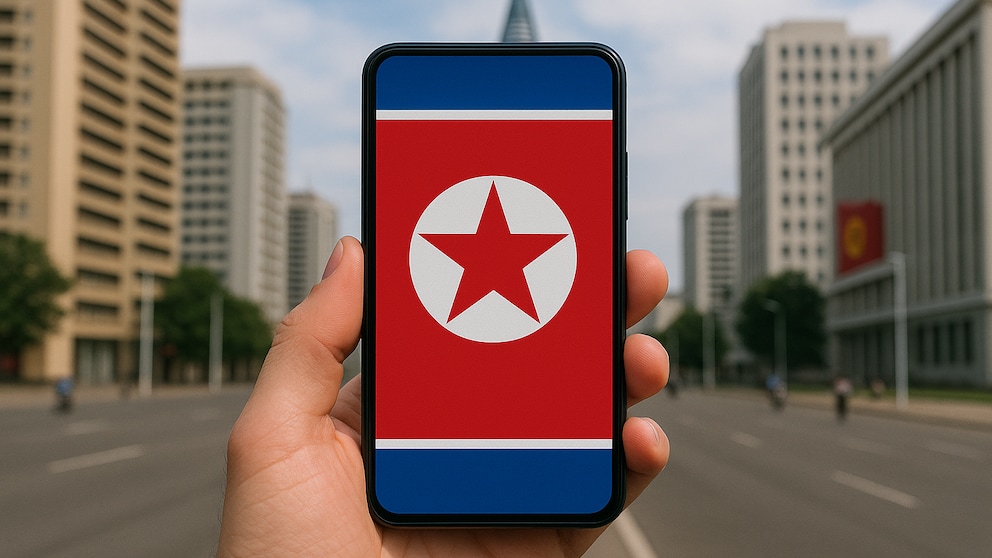
In North Korea, even modern technology is not a symbol of progress but a tool for surveillance. Two smartphones smuggled out of the country vividly demonstrate how the regime restricts even the smallest digital freedoms.
Overview
Language, internet access, and app usage are strictly regulated in North Korea–down to the automatic correction of words that displease the government. What initially appears to be ordinary Android devices turns out, upon closer inspection, to be part of a tightly woven control system. These smartphones offer a rare glimpse into a digital world designed solely to keep users in check.
Rare Insight Behind the Walls of the Regime
YouTuber Arun Maini released a video on his channel Mrwhosetheboss about two extraordinary smartphones. The devices were smuggled out of North Korea and provided to Maini by the South Korean publication Daily NK, which focuses on news from the isolated neighbor. The devices include a mid-range smartphone from Haeyang and a “premium” model from Samtaesung (also transcribed as Samtaesong). The video offers a unique insight into the little-known tech life in North Korea.
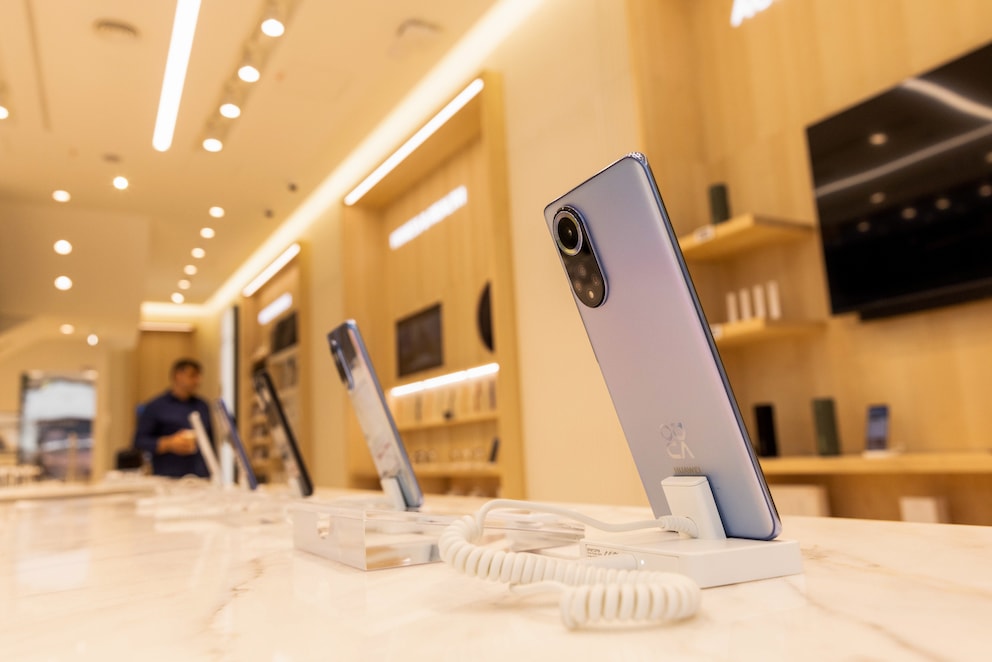
Where does the technology in these devices come from? No one knows for sure. The Samtaesung 8 was released in 2023 and reportedly cost nearly $1,000 (about 870 euros). Visually, the device is hardly distinguishable from the now four-year-old Huawei nova 9. According to Maini, the smartphone originates from China. However, it is unclear whether Huawei secretly manufactured it for North Korea or if Samtaesung simply copied the design from the Chinese.
Censorship Through Autocorrect
Language is a powerful tool. Controlling how people communicate can dictate the discourse. That’s why the vocabulary of the two North Korean smartphones is dictated by the regime–and it has very specific ideas.
While earlier devices smuggled out of the country still allowed “North Korea” to be written as text, the newer Samtaesung no longer permits this designation. Attempting to write the word results in two stars appearing instead. Users are only allowed to refer to the country as “Joseon”–the name of the former Kingdom of Korea. South Korea is also absent from the smartphone’s vocabulary, but “South Joseon” can be written. Autocorrect is particularly strict against South Korean slang, automatically correcting words to the “proper” North Korean version. Curiously, the name of Kim Jong Un is automatically bolded.
Intranet Instead of Internet
The older Haeyang 701 still has the classic Android quick access menu, which can be opened with a swipe from the upper right screen. There, a Wi-Fi symbol can be found. Clicking on it does… nothing. The option also exists in the settings, but again, nothing happens when clicked. In the Samtaesung 8, the Wi-Fi symbol has even disappeared entirely from Android.
In North Korea, smartphone users have no internet as we know it. The alternative is called Mirae. To use it, one must provide their North Korean ID and possess an authorized SIM card. This grants access to the country’s strictly controlled intranet, where users only see what the regime dictates.
Stolen Content and Fake Brands
The intranet offers a store where videos and apps can be purchased. Many of the videos are simply copied from Western video-on-demand providers, such as a documentary about the English soccer team Arsenal, which originally runs on Prime Video. The videos feature the logo of the North Korean company Taeyong Shinsamon. Did they pay for the broadcasting rights? Certainly not, as U.S. companies are prohibited from engaging in commercial transactions with North Korean organizations.
In addition to stolen videos, Taeyong Shinsamon also offers a range of mobile eSports games. One of them is “International Soccer League 2.0.” The game is surprisingly realistic and features the correct rosters of individual soccer teams from 2023. However, South Korean players like then-Tottenham Hotspur star Son Heung-min are missing. The fact that South Korean athletes can have international careers does not fit the regime’s narrative.

Why USB Drives Are Fashion Accessories in North Korea

This Is What the Internet Looks Like in North Korea
Quick Trip to the App Store Around the Corner
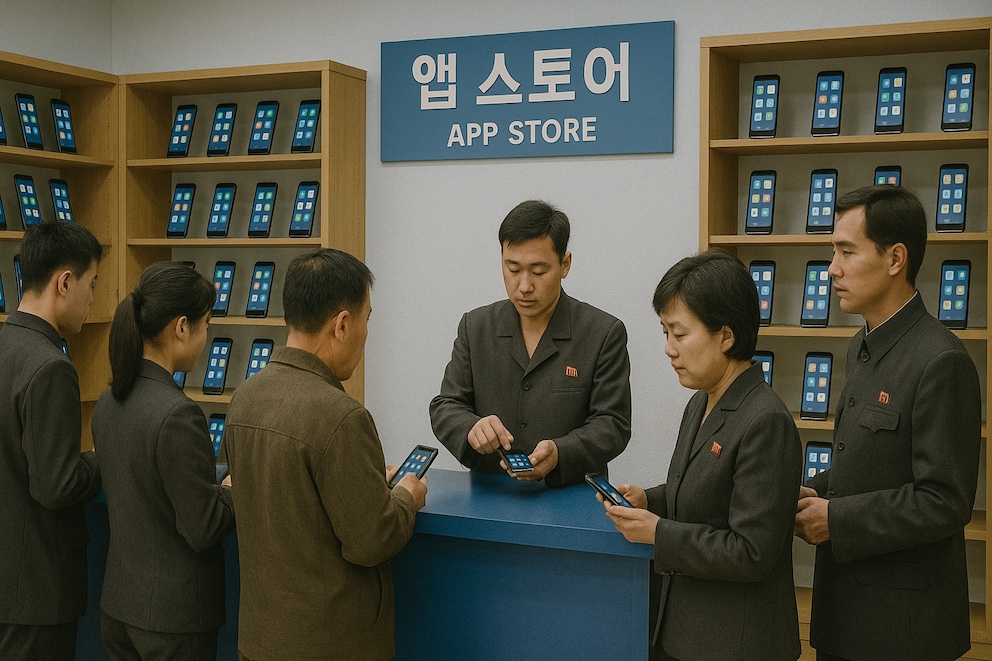
The smartphones come with a multitude of pre-installed apps. No wonder, as the intranet provider Mirae itself states a speed of just 2 to 33 megabits per second. A 500-megabyte app would take up to 33 minutes to load. Nevertheless, an app store is available–but users won’t get far with it alone. To activate the apps, they must visit a physical store. Only there can employees install the missing files necessary for the apps to start. But it goes further: Already downloaded apps can lose their validity. They must then be reactivated for a fee. According to Maini, this turns “every app into a paid subscription.” However, there is even an online shop for electronics in the intranet, which are delivered to homes.
Many of the pre-installed apps display a quote from North Korean leaders before loading their content. One of the apps even contains manuals for general conduct in society. This reflects the ideology of the North Korean regime, aiming to homogenize society.
The integrated Maps app supports navigation, but it cannot zoom out beyond the country’s borders. Except for South Korea, where the map service simply shows no border line between the two countries.
Surveillance Down to the Last Pixel
The Haeyang runs on Android 10, while the Samtaesung comes with the equally outdated Android 11. Both devices feature the invasive “Red Flag” software, deeply integrated into the operating system. It blocks access to developer options but has an even more insidious function. Every few minutes, it takes screenshots of the content users are accessing. This allows the regime to monitor what users are doing on their smartphones at any time.
But the control through Red Flag goes even further. Only apps, documents, and photos with a certificate from the North Korean government can be opened on the smartphone. The only exception is content created by users themselves–such as images and texts. Everything else simply cannot be opened. Instead, Red Flag deletes these contents directly. This ensures that no South Korean or Western messages reach North Korean smartphones. It’s no wonder that consuming South Korean entertainment is punishable by death.