

June 3, 2025, 4:15 pm | Read time: 2 minutes
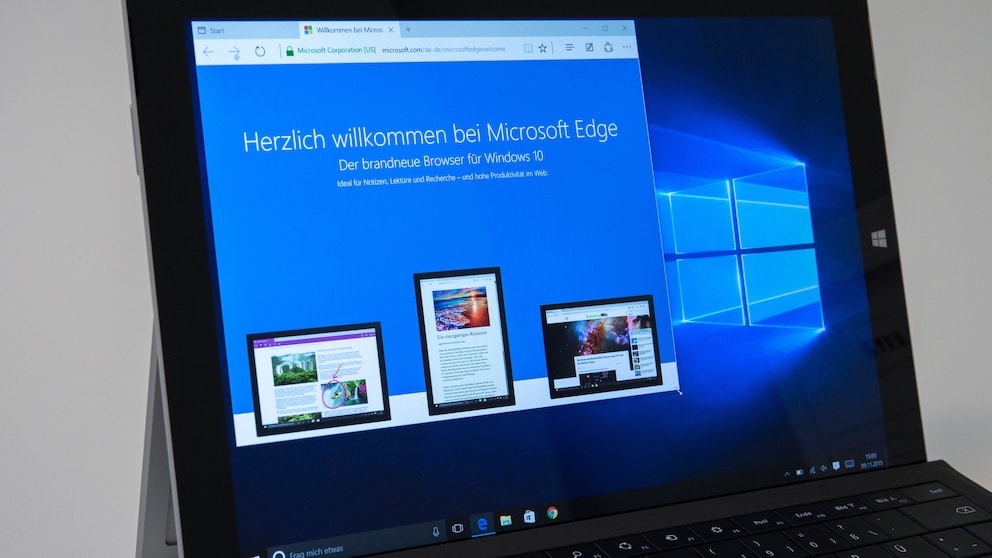
Microsoft has announced it will significantly reduce aggressive advertising for Edge and other products in its Windows 10 and Windows 11 operating systems. This move is in response to increasing user criticism and also complies with new European Union regulations. This decision could have far-reaching effects on the Windows user experience.
More Freedom in Software Choice
For many Windows 10 and 11 users, disruptive pop-ups and ad banners during system use have been a recurring annoyance. Advertising for Microsoft’s own browser, Edge, in particular, often caused discontent. However, Microsoft has now announced on its company site that this practice will end. This is part of a broader package of measures aimed at giving users more freedom in choosing their software, as reported by “Computer BILD” (like TECHBOOK, part of Axel Springer SE).
One of the most significant changes concerns browser choice. Windows users will soon be able to set their default browser without encountering disruptive ads for Edge. While it remains possible to uninstall the Edge browser, this can be done as long as no other programs require it.
Also of interest: Windows Longhorn – the operating system that never was
File Type Association
The updates also affect the automatic association of file types. Previously, users had to manually associate certain file formats with third-party programs because they were defaulted to Edge. In the future, Microsoft will treat all browsers equally and automatically establish file associations with the default browser, provided it supports the relevant formats.

Microsoft Ends This Windows Requirement

EU Commission Warns Meta Over Payment Model
Optional Use of the Microsoft Store
Another important point is the option to uninstall the Microsoft Store. Users need not worry that this will prevent updates for programs installed via the Store. Although Microsoft does not disclose details about the technical implementation, updates may come through the Windows Update Center in the future.
Response to EU Legislation
These changes are a response to the European Union’s Digital Markets Act (DMA). The DMA aims to regulate the market power of large tech companies like Microsoft, Apple, and Meta and promote competition. Microsoft’s new regulations will be gradually introduced from June 2025 until the end of the year. Initially, participants in the Windows Insider Program will benefit before the changes become available to all users worldwide. However, the new freedoms will initially apply only within the EU, while users outside the Union will be excluded from the improvements.