


November 28, 2025, 1:21 pm | Read time: 4 minutes
The world is moving from one hardware crisis to the next. During the COVID pandemic, graphics cards were either unavailable or only available at exorbitant prices. In the following years, failures in microprocessor manufacturing led to shortages for the smartphone and even the automotive industry. Currently, it’s the prices for memory and SSDs that are skyrocketing. The reason: AI’s insatiable hunger for more and more storage. This development is now also affecting major PC manufacturers, who must recalculate their systems.
Overview
AI Hunger Devours the Market
The trigger for this price shock lies in the rapid growth of the AI industry. Companies like OpenAI, Google, and major cloud operators are building new data centers worldwide that require enormous amounts of storage. At the center of this is High Bandwidth Memory (HBM), which is indispensable for AI accelerators.
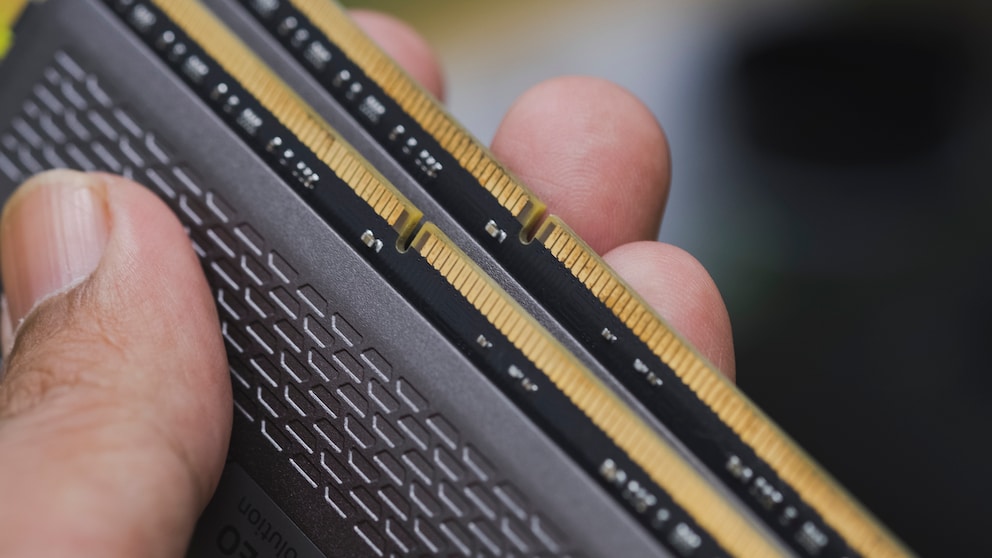
Memory manufacturers are increasingly shifting their capacities to this particularly profitable memory, thereby neglecting the production of traditional DDR4 and DDR5 modules for the PC market. As demand for regular RAM modules remains stable or even increases, a massive bottleneck is emerging. The consequences are immediately noticeable: DRAM prices continue to rise while fewer units are being produced.
PC Manufacturers Under Pressure
The effects in the industry are already clearly visible to customers. The price for a DDR5 memory stick from the manufacturer Crucial has risen from just under 40 euros in November 2024 to almost 150 euros now–an increase of 275 percent.
Now, the first PC builders are also announcing higher prices for their pre-built PC systems. In the U.S., CyberPowerPC posted on X (formerly Twitter) that starting December 7, prices for all systems will increase. The company justifies this step by stating that global RAM prices have risen by 500 percent and SSD costs by 100 percent since October 1.

Wallace Santos, CEO of the significant U.S. PC builder Maingear, warns in an interview with “Wccftech” that increasing costs and limited quotas will inevitably lead to longer delivery times and higher end prices. Santos advises customers not to delay their PC upgrades. Retailers in the U.S. are already responding with daily price updates for memory–similar to seafood restaurants pricing lobster based on daily market rates.

Is the Switch 2 Getting More Expensive?
Storage Prices Expected to Double by March
SSDs and Possibly Soon Graphics Cards More Expensive
It’s not just memory that’s affected. Prices for NAND flash–and thus for SSDs and SD cards–are also on the rise. Samsung has already announced a price increase of up to 60 percent for its server chips, as reported by Reuters.
Graphics cards are the next item on the list that could become more expensive. As chip manufacturers ramp up HBM production for AI-focused graphics cards like Nvidia’s Blackwell models, shortages could also arise for traditional GDDR6 video memory.
Many companies now have to decide whether to stockpile larger quantities of memory to prevent further shortages. At the same time, there’s the risk of being stuck with expensive inventory if an abrupt AI crash occurs. Should the AI bubble burst, memory prices could plummet.
Also interesting: Why is the First Drive on a Computer Called C and not A?
What Consumers Need to Know Now
For end customers, the current situation means one thing above all: hardware upgrades will only get more expensive in the short term. RAM and SSD expansions are among the components with the highest price pressure, and complete systems will gradually pass on the rising purchase prices to customers.
Some manufacturers like Maingear emphasize that they want to cushion price increases for as long as possible, but given the global market conditions, stable prices are increasingly out of reach. What is clear: The AI industry’s demand for memory is transforming the PC market more profoundly and rapidly than any other development in the past decade.