


February 9, 2026, 3:55 pm | Read time: 3 minutes
Artificial intelligence is testing the server infrastructure of cloud providers. The power consumption is rising so rapidly that Microsoft’s CEO, Satya Nadella, is already concerned about the social acceptance of AI among the public. But consumers are feeling the expansion of data centers for ChatGPT, Gemini, and others even more directly. Prices for storage in PCs, smartphones, and other electronic devices are rising dramatically—and there’s no end in sight.
Significantly Rising DRAM Prices in All Segments
A recent survey by market researcher TrendForce shows that memory manufacturers cannot keep up with demand. Data centers require significantly more memory for AI applications than the previously planned production capacities can provide. This mainly affects RAM (DRAM) and flash modules.
TrendForce has revised its previous forecast for conventional DRAM contract prices in the first quarter of 2026 upward. Instead of an increase of 55 to 60 percent, analysts now expect a rise of 90 to 95 percent compared to the previous quarter. DRAM is expected to cost nearly twice as much in the current quarter (Q1) as it did at the end of 2025.
PC Memory Prices Double
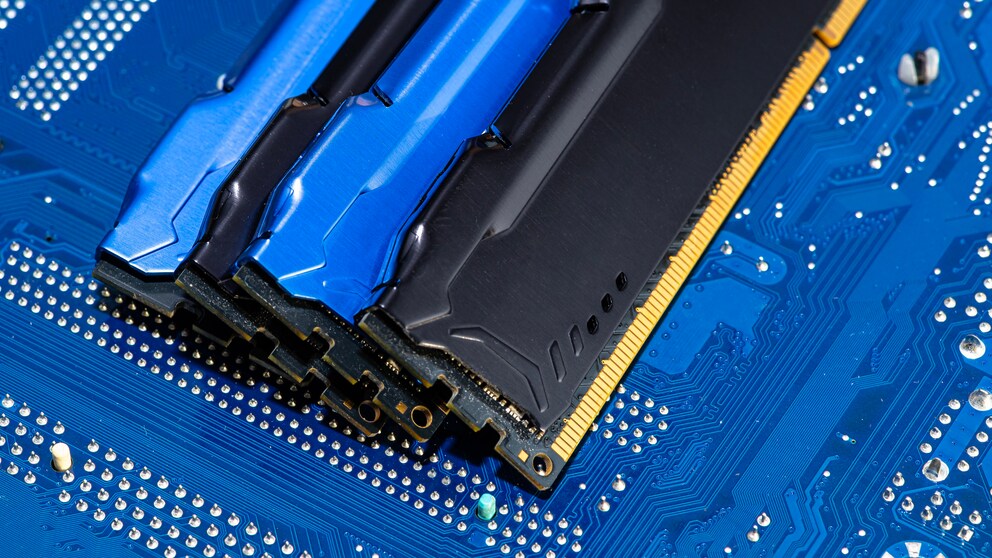
PC RAM is particularly affected by the chip shortage. Despite higher DRAM prices, PC sales increased in the fourth quarter of 2025, further exacerbating the already tense situation. Due to supply bottlenecks, even large manufacturers with secured supply contracts are experiencing declining inventories, according to TrendForce.
In the PC hardware industry, the triopoly of the three major memory chip manufacturers, SK Hynix, Micron, and Samsung, dictates contract prices. Due to high demand and limited supply, TrendForce analysts predict a 100 percent price increase in the current quarter. This doubling of prices would represent the highest increase within a quarter to date.

Experts Warn: Smartphones to Become Even More Expensive by 2026

Is the Switch 2 Getting More Expensive?
Mobile Storage Also Under Pressure
The growing supply deficit is causing various end-device segments to compete more fiercely for allocations. For mobile memory chips like LPDDR4X and LPDDR5X, TrendForce also forecasts price increases of around 90 percent in the first quarter of 2026. These products would also reach new record levels. Nothing has already announced higher smartphone prices for 2026 as the first manufacturer.
Contracts with U.S. smartphone manufacturers were mostly concluded by the end of 2025. Talks with Chinese providers are expected to progress after the contracts for the fourth quarter of 2025 and after the Chinese New Year.
SSDs Also Significantly More Expensive
The situation is also worsening for NAND flash, as demand significantly exceeds supply. Nevertheless, manufacturers are shifting parts of their production to the more profitable DRAM chips. This further strains the situation. Additional production capacities can only be achieved through minor process improvements, not quickly.