

March 31, 2026, 6:59 am | Read time: 2 minutes
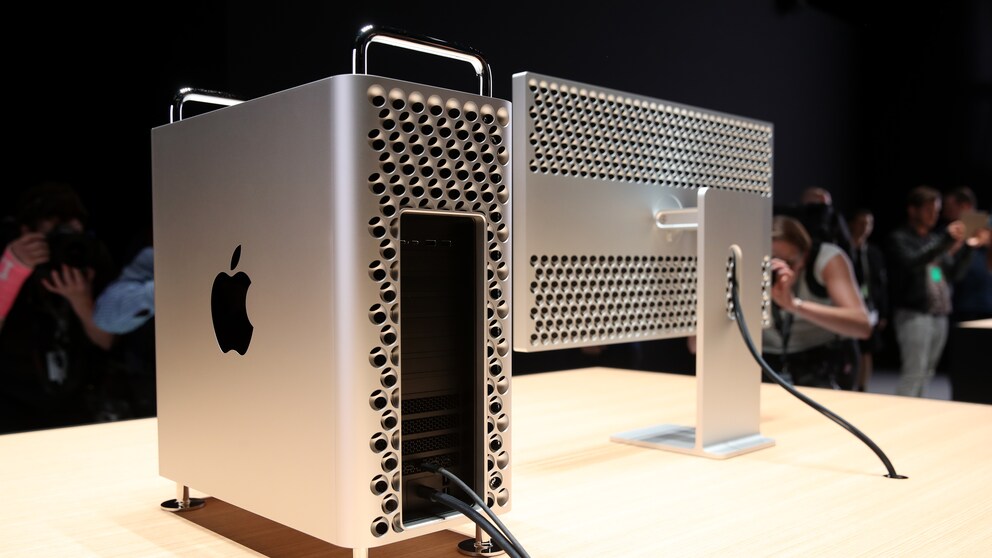
Apple is discontinuing a well-known line from its offerings. The Mac Pro is no longer available in the Apple Store. Those searching for the computer there are redirected to the general Mac overview. This means the large desktop computer is no longer part of the current lineup.
For many years, the Mac Pro was considered the most powerful Mac and was especially popular among professional users. Now, anyone visiting the product page will immediately notice: The era of the high-end computer is over. This move highlights how much Apple’s product strategy has changed in recent years.
Powerful Chips Make Large Computers Less Necessary
The Mac Pro was long the first choice for demanding tasks, such as video editing, 3D rendering, or scientific applications, where maximum performance was crucial. However, with the introduction of Apple’s own silicon chips, which provide strong performance even in compact devices, the situation has changed significantly. A large, modular desktop computer is no longer essential for many tasks. This is likely a key reason for the discontinuation of the Mac Pro.

TECHBOOK Editor: “With the new Apple apps, the iPad Pro finally becomes a laptop replacement.”

Apple Limits Support for Numerous Devices
Few Updates in Recent Years
The development of the Mac Pro already hinted at this step. The last major update occurred in 2023, when the model received the M2 Ultra chip. After that, there were no further technical innovations.
The product line thus increasingly lost significance within the Mac portfolio. This is noteworthy, as since 2006, the Mac Pro has stood as the successor to the Power Mac series for maximum performance in the Apple universe.
Also interesting: WWDC26 Announced: These Apple Innovations We Expect
Mac Studio Moves into Focus for Professionals
While the Mac Pro lost significance, Apple continued to develop other devices. The Mac Studio, in particular, gained relevance in the professional sector. The compact system can now be equipped with the M3 Ultra, offering up to 80 graphics cores and up to 256 gigabytes of unified memory. This performance is sufficient for most professional applications, making a large tower unnecessary for many users to complete demanding tasks.