

October 27, 2026, 3:03 pm | Read time: 4 minutes
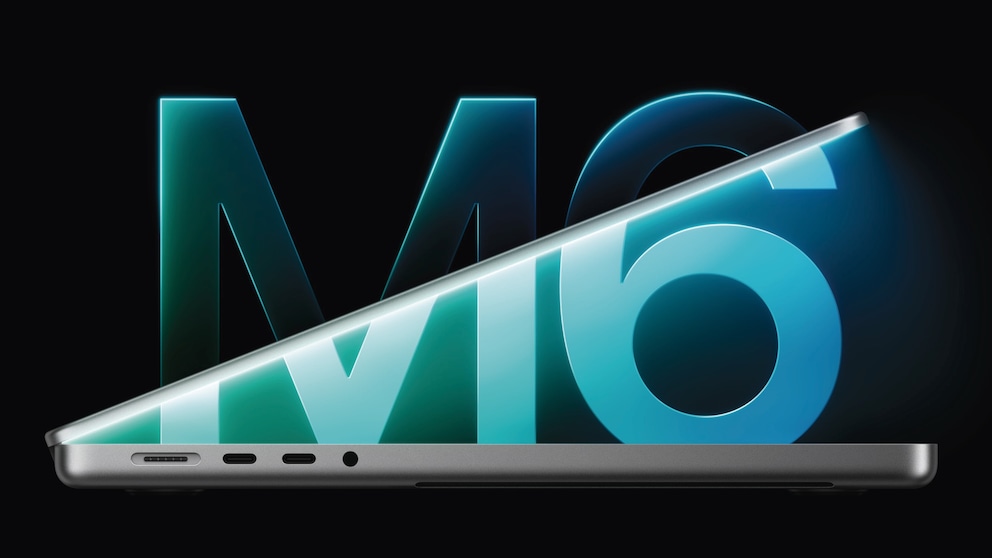
Apple is equipping two of its Macs with the new M6 chip. Both the 14-inch MacBook Pro and the 24-inch iMac are getting more power, faster wireless technology, and improvements in AI applications. While the MacBook Pro is expected to benefit owners of older M1 models, the performance leap for the iMac compared to Intel devices is particularly significant.
M6 to significantly boost graphics and AI
At the heart of the new models is Apple’s M6. In the MacBook Pro, the chip features twelve CPU and GPU cores each. Compared to the M5, Apple promises up to 30 percent more graphics performance, with selected AI tasks running up to 25 percent faster.
The differences Apple cites compared to older devices are significantly larger. Compared to a MacBook Pro with M1, graphics performance is said to be up to eleven times higher, and for certain AI tasks, Apple even claims up to 13 times the speed. Standard is 16 gigabytes of unified memory, with an option for up to 32 GB.
The iMac also benefits from the M6. Depending on the model, the chip operates with up to twelve CPU and twelve GPU cores. For selected AI applications, the computer is said to be up to five times faster than its predecessor with M4. For demanding graphics tasks, the manufacturer claims up to double the performance.
The gap to older Intel models is said to be even larger. Compared to a selected Intel iMac, Apple claims up to 18 times the performance. However, such maximum values refer to specific tests and programs and cannot be applied to every application. Users of an older Intel or M1 iMac are likely to notice the performance jump more than owners of a more current device.
Also interesting: Apple discontinues support for these MacBooks
Apple brings Wi-Fi 7 and Bluetooth 6 to both Macs
Apple is not only upgrading the processor. Both the MacBook Pro and the iMac now support Wi-Fi 7 and Bluetooth 6.
The 14-inch MacBook Pro retains the familiar Liquid Retina XDR display, which reaches up to 1600 nits peak brightness for HDR content. The equipment also includes HDMI, MagSafe 3, three Thunderbolt 4 ports, an SDXC card reader, and a headphone jack.
For video calls, a 12-megapixel camera is on board, and playback is handled by a system of six speakers. Apple states a battery life of up to 24 hours. With a compatible 96-watt power adapter, the battery is said to reach a charge level of up to 50 percent within 30 minutes.
The iMac can optionally be configured with 2.5-gigabit Ethernet. Additionally, the SSD is said to achieve up to twice the read and write speeds. Depending on the configuration, up to four Thunderbolt 4 ports are available. Furthermore, two additional 6K monitors can be operated.

Apple Unveils New MacBooks with M5!
Apple Unveils New Mac Mini and Mac Studio–Raises Prices
The iMac retains its familiar design
Externally, Apple sticks to the previous concept for the iMac. The display still measures 24 inches, offers a 4.5K resolution, and reaches 500 nits brightness. A 12-megapixel Center Stage camera, three microphones, and the integrated speaker system are also part of the equipment.
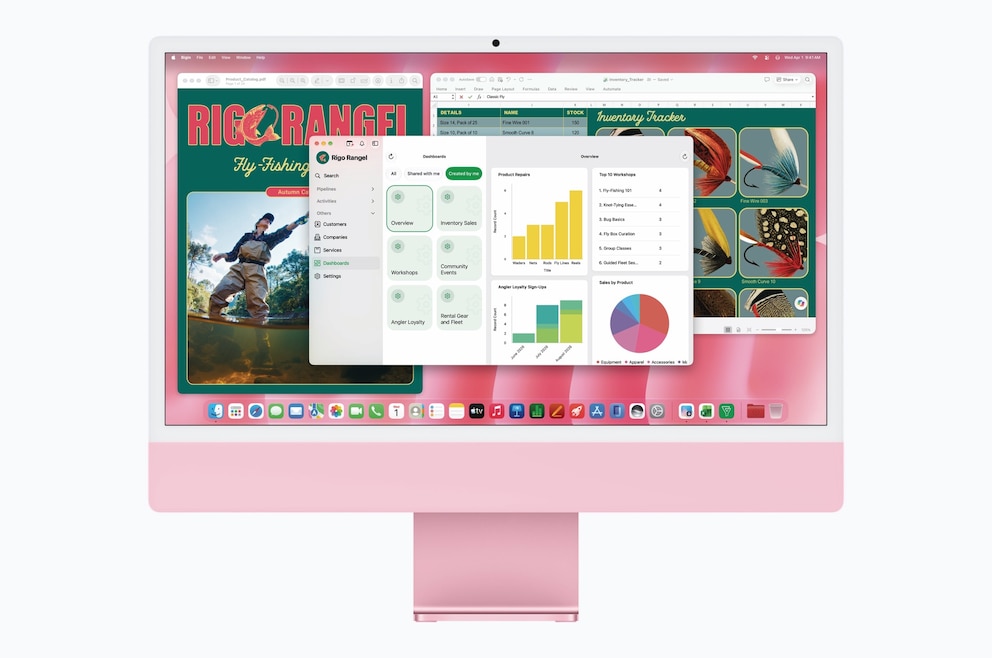
The color selection remains large. The iMac is offered in blue, green, pink, yellow, purple, orange, and silver. The MacBook Pro, on the other hand, is available in space black and silver.
The iMac comes pre-installed with macOS 27 “Golden Gate.” This also expands Apple’s AI functions. Safari, for example, is set to automatically sort tabs by topic and notify users of price changes and available products. Thanks to the M6, AI applications can also be run directly on the computer.
Prices and availability
Both new Macs can be pre-ordered starting October 28, 2026, with delivery beginning on November 6.
The MacBook Pro with M6 starts at 2,299 euros. The new iMac costs at least 1,799 euros with a 10-core CPU and 10-core GPU. For the more powerful version with twelve CPU and GPU cores each, Apple charges at least 1,999 euros.
This makes the new M6 Macs particularly appealing to users of older devices. For the MacBook Pro, switching from an M1 model or an even older computer is likely to be of interest. For the iMac, transitioning from an Intel or early Apple Silicon model promises the most significant performance gains. However, those who already own a current Mac will get more graphics and AI performance as well as more modern wireless technology, but a much smaller upgrade.