

August 21, 2026, 9:31 am | Read time: 2 minutes
Small camera, big worries: In the United Kingdom, smart glasses are increasingly under scrutiny, especially in cinemas. Operators fear that the inconspicuous glasses could be used for secret film recordings.
Cinemas Fear Secret Recordings
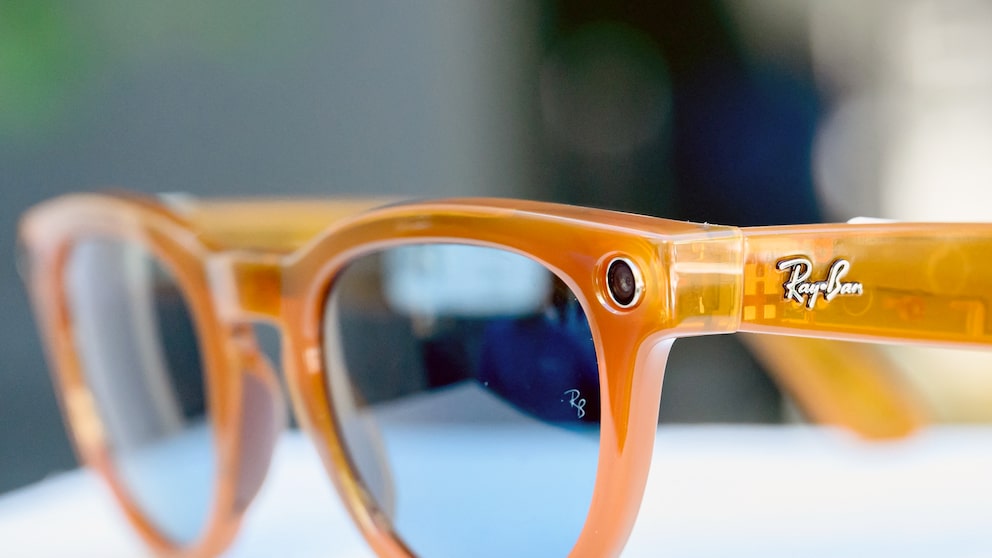
More and more British cinema operators are rethinking their rules for smart glasses with integrated cameras. The focus is primarily on models from Meta, developed in collaboration with Ray-Ban and Oakley. The concern: Visitors could use the glasses to record films unnoticed and then distribute them illegally.
The problem lies in the design of the devices. The cameras are small and integrated directly into the glasses. Although an LED indicates when a recording is in progress, this light could easily be overlooked in a darkened cinema. According to the UK Cinema Association, there were 121 cases of illegal film recordings in British cinemas in 2025. The film industry sees this as a significant starting point for the spread of pirated copies.
Also of interest: Smart glasses lead to new swimming pool rules
Meta Sees the Glasses as Everyday Aids
Meta rejects the criticism of misuse and highlights the practical benefits of the smart glasses. The glasses can play music, enable live translations, and allow phone calls without holding a smartphone. They are also intended to support people with visual or hearing impairments, contributing to accessibility.
The company also points to technical safeguards. The LED is meant to alert others that filming is taking place. Additionally, anti-tampering mechanisms are supposed to prevent users from easily covering the indicator. Meta warns against broadly restricting the technology. For people who rely on certain assistive functions, bans or extensive restrictions could have significant disadvantages.