

April 23, 2026, 7:00 am | Read time: 4 minutes
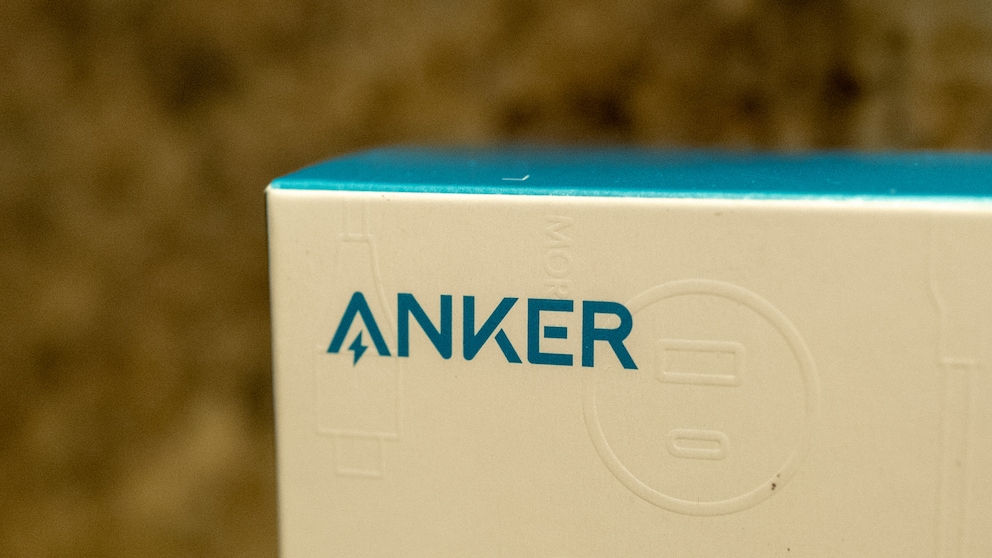
Anker’s products became well-known primarily through Amazon. Today, the company sells a wide range of tech accessories—from cables and power adapters to power banks, headphones, and webcams. Behind the brand is a Chinese technology company that has established itself internationally in just a few years.
Anker was founded in 2011 by Steven Yang. He previously worked as a software developer at Google and identified a practical problem during that time: Many chargers for laptops and smartphones were often considered unreliable, slow, or overpriced.
The decisive impulse for founding the company came rather by chance. Yang developed a system for automated order processing on Amazon for his girlfriend’s online shop. In doing so, he recognized the platform’s potential for selling his own products. Later that year, he quit his job at Google and began selling replacement batteries and chargers under the name Anker.
The business model was clear from the start: solid quality at relatively affordable prices, combined with efficient online distribution. Yang established production and supply chains in China and strategically used Amazon as a central sales channel.
Growth Beyond Amazon
In the early years, Anker sold its products primarily through Amazon. The company’s success was closely tied to the marketplace. However, with increasing demand, Anker expanded both its distribution channels and its product range.
Starting with replacement batteries, the company evolved into a well-rounded provider of electronic accessories, now among the most recognized accessory brands in online retail. Today, the portfolio includes chargers, power banks, USB hubs, cables, audio products, and camera accessories. Anker has also ventured into other product areas, such as mobile power storage and 3D printers under the AnkerMake brand.
In parallel, the company established several sub-brands. Soundcore offers audio products like headphones and speakers, Eufy represents smart home devices, and Nebula encompasses entertainment electronics like portable projectors.
According to the company, well over 100 million customers worldwide use Anker products today. The company operates in more than 100 countries and generates billions in revenue.
Proprietary Developments as a Competitive Advantage
A key component of success is the advancement of proprietary charging technologies. With PowerIQ, Anker introduced an early solution that automatically recognizes connected devices and provides the optimal charging power.
Additionally, the company relies on established fast-charging standards like USB Power Delivery and continuously develops them further. The goal is to shorten charging times while ensuring compatibility with as many devices as possible.
Anker Recalls Powercore 10000 Power Bank Due to Fire Risk
TV Sensation from Japan: Panasonic Embarks on a Radical New Beginning
Positive Brand Image, but Also Criticism
A central factor for success is the consistent focus on customer satisfaction. Anker made a name for itself early on with relatively low prices, combined with reliable quality and customer-friendly service. An example was the so-called “Happy Card,” which was included with many products for a long time. It actively encouraged customers to contact the company directly in case of problems—a strategy aimed at building trust and avoiding negative reviews.
Anker also regularly performs well in product tests. Especially in the area of charging accessories and power banks, the company is often recommended for its price-performance ratio.
Despite its success, Anker has not been free from issues. In recent years, the company has had to recall products multiple times, including power banks and chargers. The reasons included safety risks such as potential overheating or fire hazards. While such incidents are not uncommon in the industry, they highlight the challenges of quality assurance in the rapidly growing electronics market. Anker responded to the affected cases with recall actions and exchange programs for customers.
Also interesting: What You Should Know About the Audio Specialist Teufel
Global Company with Chinese Roots
A significant step in the company’s development was going public. Anker Innovations has been listed on the Chinese Shenzhen Stock Exchange in the growth-oriented ChiNext segment since 2020. The IPO secured additional capital for expansion and product development. At the same time, Anker is subject to stricter transparency and reporting obligations, as is typical for publicly traded companies.
Today, Anker is an internationally positioned company with several thousand employees worldwide. The legal headquarters of Anker Innovations is located in central China’s Changsha in Hunan Province. However, the operational headquarters is in southern China’s Shenzhen, one of the country’s most important technology centers, where much of the product development and company management takes place. Additionally, the company has locations in Europe and the U.S., including an office in Munich.
Anker’s development shows how a relatively small start-up can become a global brand within a few years through a combination of online distribution, efficient production, and a clear product strategy.