

February 7, 2026, 7:47 pm | Read time: 6 minutes
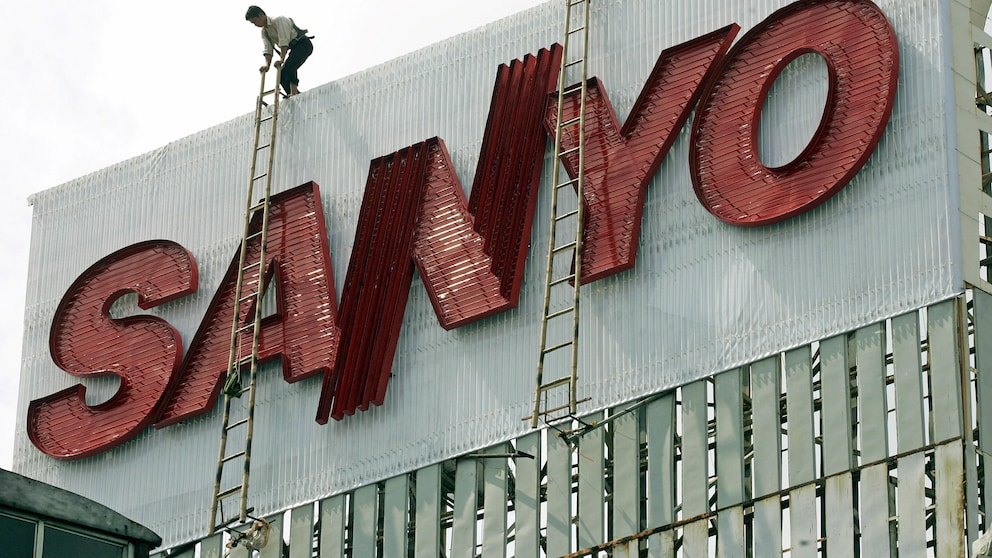
Once, Sanyo Electric Co. Ltd. was one of Japan’s leading providers, especially in consumer electronics. Today, only the name remains of the big player.
Older readers, in particular, may remember Sanyo turntables, receivers, or stereo recorders, which were among the crème de la crème in the hi-fi sector in the 1970s. Sanyo was also a leading provider in battery and rechargeable battery technology. But later, a steep decline followed. Natural disasters and poor management decisions eventually led to the company’s dissolution.
The Rise Began with Bicycle Light Bulbs
Sanyo was founded in 1947 by Japanese entrepreneur Toshio Iue in Moriguchi, Osaka Prefecture. However, Iue’s career had begun years earlier at the electrical factory of Konosuke Matsushita, which produced bicycle light bulbs. Matsushita Electric Industrial Co. Ltd. would rise to become a global corporation in the following decades and has been known as Panasonic since 2008.
Konosuke, who was married to Iue’s sister, initially offered his brother-in-law a position as a salesman in his company. Later, Iue married a sister of Matsushita, further strengthening family ties. When Iue decided in 1947 to enter the market with his own production of bicycle lamps, his brother-in-law supported him. He also provided one of his vacant electrical factories. Whether this was purely out of family loyalty is unclear today. It is also possible that U.S. authorities pressured Matsushita to slow its rapid ascent to becoming one of Japan’s largest economic leaders. The U.S. occupied Japan until 1951.
Big Plans for the New Company
Like Matsushita before him, Iue found success with bicycle lamps, leading him to establish Sanyo Electric Co. Ltd. in 1950. The name itself indicates his grand vision. Sanyo means “three oceans,” signifying his intent to eventually export his products worldwide. Initially, however, he launched Japan’s first radio with a plastic casing in 1952. Shortly thereafter, he introduced the first washing machine that used spray jets to apply water and detergent to the laundry.
This technology saves water and energy while gently cleaning clothes. In the early 1960s, Sanyo pioneered the development of nickel-cadmium batteries, which an increasingly modern society needed.
Expansion into Other Markets
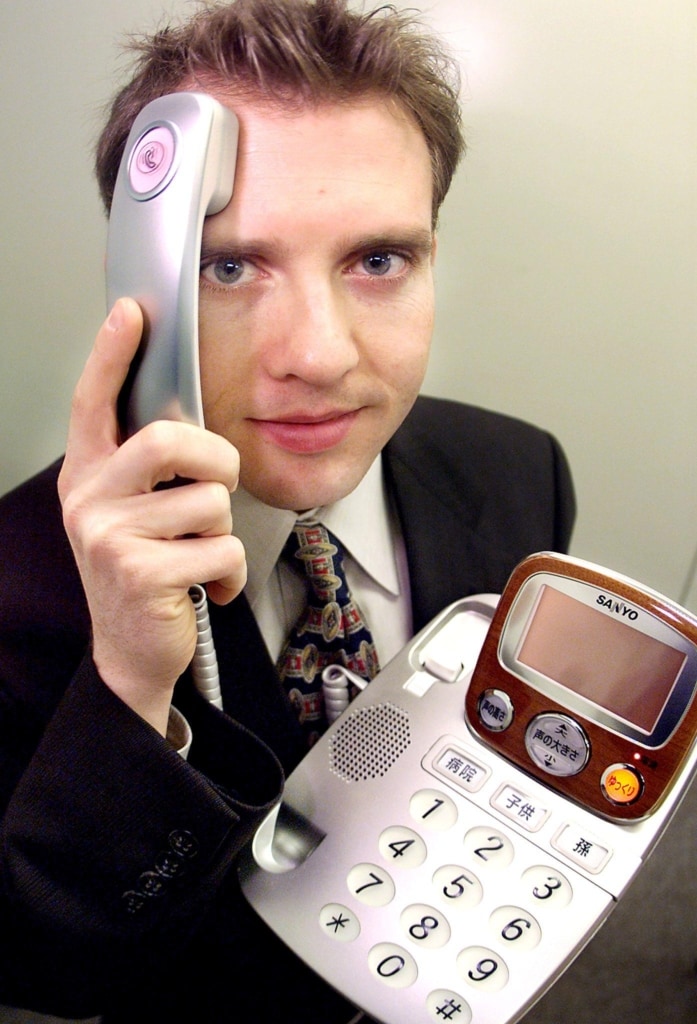
At the same time, the company began diversifying, establishing a global presence with production facilities worldwide. The lucrative North American market was also targeted, and Howard Ladd, an American, was appointed executive vice president of Sanyo Corporation. Ladd led the company with a strategy focused primarily on consumer electronics production, including televisions, cameras, hi-fi equipment, car radios, radio recorders, and digital wristwatches with calculators. This strategy led to success not only in the U.S. but also in the European market.
In 1975, Ladd was responsible for acquiring Fisher Electronics. The established U.S. brand quickly rose to market leader in the consumer electronics sector as a Sanyo subsidiary (Fisher Corporation under Sanyo) with products like the Fisher PH-492 boombox and its successors. This resulted in a significant increase in revenue. Sanyo’s revenue, which was around $71 million in 1972, rose to $855 million by 1978. Ladd himself was appointed president and CEO of Sanyo/Fisher Corporation in 1977.
Japan’s 3S: Sanyo on Par with Sony and Sharp
Sanyo was also involved in new video technology. With V-Cord, they initially positioned their own format against competitors like Sony with Betamax and JVC/Matsushita (since 2008 Panasonic) with VHS. However, when it became clear that the so-called “video format war” for the gold standard in video technology would be decided between VHS and Betamax, Sanyo abandoned V-Cord. Sanyo was also present during the growing computer enthusiasm. In 1983, they introduced the desktop model MBC-550, which they claimed was the “most affordable IBM-compatible personal computer.” However, the IBM compatibility of Sanyo PCs was limited, leading the company to exit the PC market by 1986.
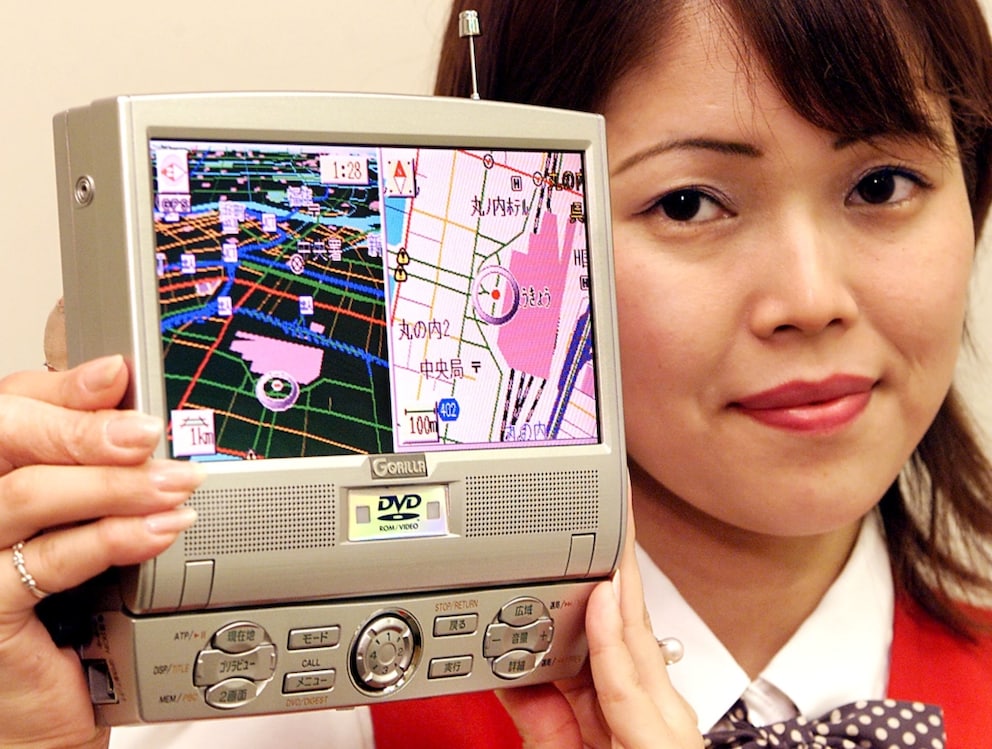
In the 1990s, the “Sanyo Style” attracted attention. To internalize the Sanyo corporate culture from the start, new employees lived together around the clock for five months. In addition to job-specific requirements, social aspects like personal grooming and appropriate attire for interacting with colleagues and superiors played an important role. The company’s success seemed to validate this approach, as Sanyo developed the world’s first hybrid solar cell in the 1990s and held a 42 percent market share in lithium-ion batteries by 2002. This made Sanyo one of Japan’s “3S,” the country’s largest electronics providers at the time, alongside Sony and Sharp.
What You Should Know About Panasonic
Who is Actually Behind the JVC Brand?
An Earthquake Puts Sanyo in Trouble
Despite the heights reached in previous decades, a steep fall was imminent. The decline was triggered in 2004 by the devastating Chuetsu earthquake, which literally leveled important parts of the production facilities. The lack of insurance coverage for the damage led to significant profit losses in 2004 and 2005. To address the crisis, the “Sanyo Evolution Project” was launched. This restructuring plan aimed to transform Sanyo into a company that could address contemporary issues with the production of batteries, solar cells, and batteries for early hybrid cars like the Honda Insight and Ford Escape Hybrid. Additionally, expanding the consumer electronics division (now including mobile phones, tablets, digital cameras, projectors, etc.) was intended to help achieve a turnaround.
Acquisition by Panasonic
Although Sanyo was able to maintain its market leadership in lithium batteries, it had to announce further significant losses and a massive reduction in workforce by the end of 2006. Consequently, in 2008, the mobile phone division was sold to Japanese competitor Kyocera. At the end of 2008, Sanyo and Panasonic officials confirmed the acquisition by Panasonic in a joint statement. The purchase of 50.2 percent of Sanyo shares in early 2009 sealed the deal, and just a year later, Panasonic acquired the remaining shares. This nearly sealed the fate of the company, which had, in a way, originated from Panasonic. In the following years, Panasonic sold off more Sanyo divisions, such as the consumer electronics division, which was acquired by the Chinese Haier Group, a multinational corporation.
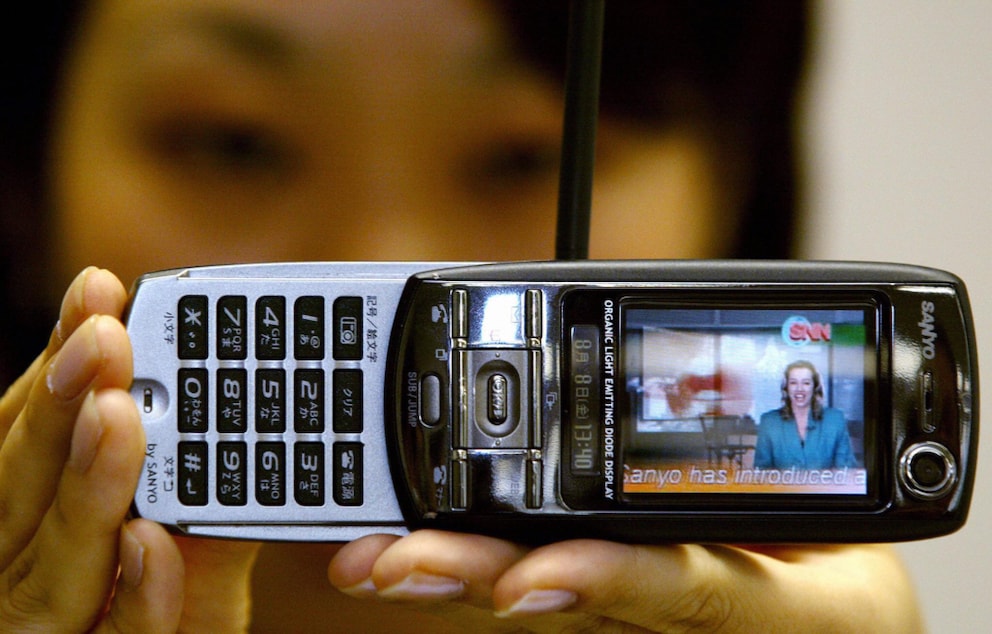
Today, Sanyo as a company, as it was known, no longer exists. The name is still used as a label to convey the quality standard Sanyo once stood for. However, Sanyo is still a recognized name in one area. The independently established Sanyo Denki Co. Ltd., founded in 1927, is a leading manufacturer of electrical and electronic components for fans, motors, and drive systems. Since 2005, it has been represented in Germany, Austria, and Switzerland as Sanyo Denki Germany GmbH.