


March 15, 2024, 1:16 pm | Read time: 3 minutes
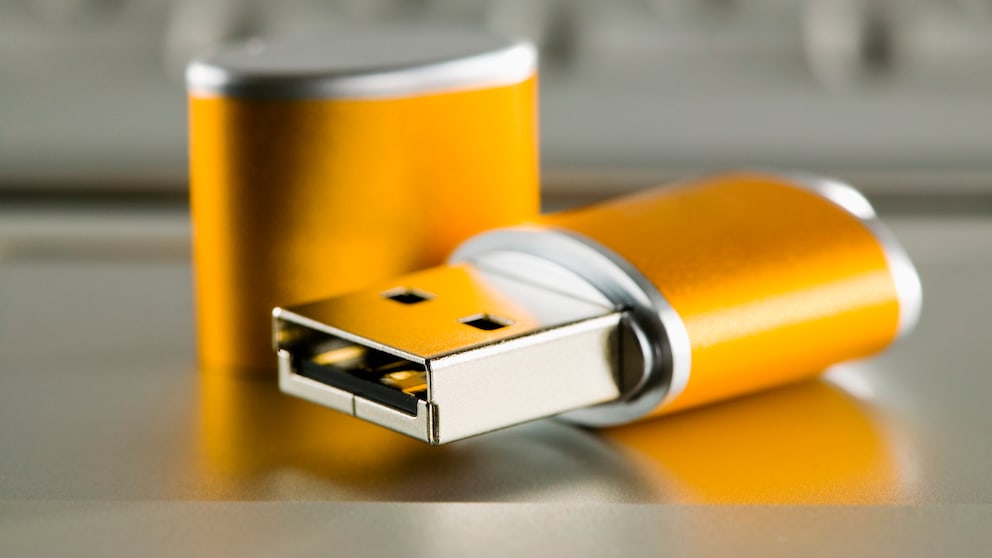
In North Korea, technology often works differently than in the rest of the world. Perhaps the most curious case is USB sticks, which have been repurposed as fashion items due to limited access to computers.
North Korea is arguably the most isolated country in the world, making it a mystery to many. With few foreigners allowed in and only a handful of people managing the dangerous escape abroad, little is known about the closed society. It was already known that North Korea is technologically backward due to its isolation. However, Russian North Korea expert Andrei Lankov has discovered that USB sticks serve a somewhat different purpose there than in the rest of the world. They are worn as fashion accessories. TECHBOOK has uncovered the story behind this phenomenon.
Access to Computers Extremely Restricted
In his 2013 book “The Real North Korea,” Andrei Lankov writes that very few people in North Korea have access to computers. The country even has its own operating system, Red Star OS, to avoid dependency on Windows.
Due to this limited access to PCs, related accessories are often repurposed. According to Lankov, young North Koreans living in the capital, Pyongyang, often wear USB sticks as fashionable accessories instead of using them to store data. USB sticks are legally available in North Korea.
Also interesting: This is what the Internet looks like in North Korea
Forbidden Technology: What North Korea’s Smartphones Reveal About the Regime
This Is What the Internet Looks Like in North Korea
USB Sticks Smuggled as “Analog Hack” into the Country
But why are USB sticks so widespread there? North Koreans who have managed to escape the country have been promoting the distribution of sticks containing media banned by the regime for several years. Originally, the North Korea Strategy Center, founded by refugees, smuggled the sticks across the Tumen River from China into North Korea. In recent years, balloons and drones have also been used to protect smugglers from contact with border guards.
In North Korea, hardly anyone has access to the heavily restricted and monitored Internet. Most people are only familiar with state-controlled mass media such as television, radio, and newspapers. The only way to bring content from outside into the country is analog. Hence, the operation is called “Analog Hack.”
The USB sticks contain Korean Wikipedia articles, but primarily entertainment media like Western movies, South Korean soap operas, dramas, documentaries, and pop music. Sometimes, they simply hold pictures of family members separated by the division of Korea.
The organization Flash Drives for Freedom, founded in 2016 by the non-profit organization Forum 280 and the Human Rights Foundation (HRF), supports the North Korea Strategy Center. It offers a global platform where USB sticks can be donated. As of February 2024, a total of 1.34 million USB sticks have been smuggled into North Korea.
USB Sticks Are Now More Than Just Fashion Accessories
All PCs in North Korea are monitored and run on a regime-developed Linux distribution that tracks all files. Viewing content smuggled across the border is therefore not without risk.
However, there is an established black market where mini DVD players are available for about 50 U.S. dollars. USB sticks and SD cards can be connected to these. The regime has legalized these playback devices, called “Notel” (a portmanteau of notebook and television), making them accessible to the masses. While it remains dangerous to view non-state media in North Korea, residents now have the opportunity to gain insight into the outside world.