

March 16, 2024, 3:51 pm | Read time: 4 minutes
NFC tags can save many small tasks in everyday life or–when used creatively–simply bring joy. TECHBOOK presents several applications, from emergency systems to shopping aids.
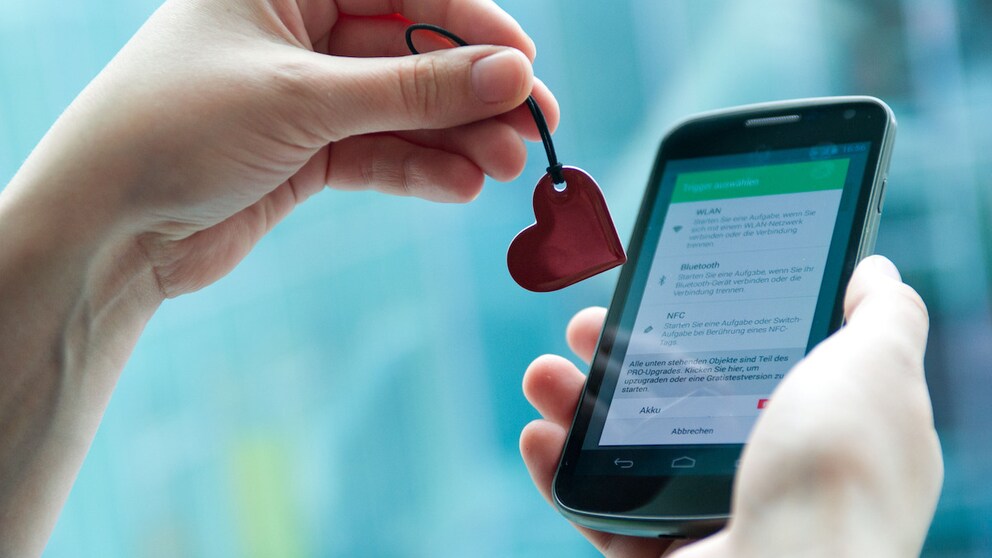
Whether black, white, or colorful, whether as a pendant or sticker–NFC tags come in various colors and shapes. Skillfully used, these little helpers can support daily life. NFC stands for Near Field Communication, and the most well-known application of this technology is likely contactless payment. But if you want to make your home a bit smarter, you can do so with NFC tags. All you need is an NFC-enabled smartphone and an app to help set up the tags.
Real Everyday Help or Technical Gimmick?
It’s evening, you’re in bed. You just need to set the alarm for the next morning but don’t want to look at the bluish display again. If an NFC tag is on the nightstand, a brief contact with the smartphone is enough to activate the alarm. The next day: You get into the car and want to activate Google Maps or connect the smartphone to the car speakers with just one touch–no problem with an NFC tag.
The use of these small chips can save time and nerves, or at least bring joy as a gimmick. With a bit of creativity, the applications are almost limitless. The principle is always the same: Interaction with the tag prompts the smartphone to execute the command previously stored in the tag. For example, the alarm is now set for 6:30 a.m.
Or: A tag at the front door triggers the command to turn off all smart home lights when leaving. If you find yourself unexpectedly without toilet paper, an NFC tag could add the urgently needed product to the shopping list. Those who appreciate established routines can tailor their NFC tags to their own needs, creating shortcuts in everyday life. Targeted use can also help older people, such as automatically dialing a specific number or emergency call through contact with an NFC tag.
But NFC tags are also used as practical gadgets in the commercial sector, such as at trade show booths or on advertising posters. When the smartphone comes near the NFC tag, it reads the information stored in the tag. This is practical and quick but also carries the risk of bringing harmful data into your home. As with QR codes, there is a danger that publicly accessible NFC tags have been manipulated and now redirect to phishing websites.
Read also: What is NFC and how do you use the technology?
Paying With Fingernails? What’s Behind the New Payment Method
What Is NFC and How Is the Technology Used?
Easily Program NFC Tags
Setting up an NFC tag is simple and doesn’t require a computer science degree. The so-called programming is done through apps like Trigger, NFC Tools, or Smart NFC. Broadly outlined, setting up works as follows: First, you need to scan the NFC tag with the smartphone, name it, and assign it a function or command. You can also establish connections to smart home apps.
The NFC apps each provide a step-by-step guide for individually describing the tag. After all data is set up, you need to place the smartphone on the empty tag so the commands can be transferred to the tag. Once this process is complete, the tag can transmit the stored command to the smartphone as soon as it is nearby.
In the Apartment, on the Nightstand, Next to the Toilet
Once set up, an NFC tag can be placed anywhere within the apartment, car, or any other conceivable location. When the smartphone comes close enough to the NFC tag, the stored commands are automatically transferred to the device and executed. It’s also popular to share Wi-Fi access with guests this way.
If you prefer to place the mostly white dots discreetly in your home, you can stick them under the table, behind light switches, or on the underside of coasters. However, it’s important that the separating material isn’t too thick to avoid disrupting the connection. It’s advisable to perform a test contact before final placement. Once the tag is successfully positioned, nothing stands in the way of small tech joys in everyday life.