

March 27, 2026, 2:02 pm | Read time: 3 minutes
Television used to be simple: After turning it on, a program would start immediately. Then, viewers would flip through channels and choose the most interesting option. This made it easy for traditional TV broadcasters to capture attention.
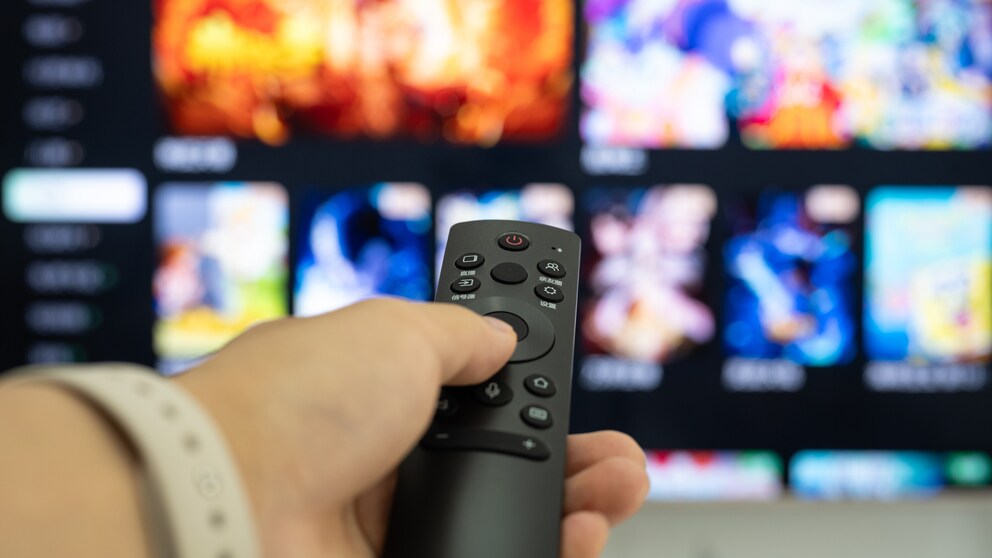
Today, things look quite different. Many living rooms now have smart TVs with internet connections and their own operating systems. After turning them on, you no longer land directly on a TV program but on a home screen. There, numerous content options are available at a glance, including streaming services, games, and paid offerings. The problem from the perspective of many European broadcasters: They have no direct influence over which content is displayed first. This decision is made by the operating system providers.
TV Broadcasters Call for EU Intervention
According to a report by the news agency “Reuters,” several companies have approached the EU. The ACT association has sent a letter to EU Competition Commissioner Teresa Ribera. Among the signatories are ProSiebenSat.1 and RTL, as well as streaming services like Sky, Disney, and Paramount+. They are calling for stricter regulation of smart TV operating systems. The basis for this should be the Digital Markets Act, which aims to ensure fair competition in the digital market.
The broadcasters see this competition as being at risk. Their concern: Large tech companies determine through their platforms which content is visible and which is not. As a result, certain offerings could be favored while others barely get noticed.

Data Protection Advocates Sound Alarm Over EU Plans
Apple Reveals Why Many New Features Aren’t Coming to the EU
Operating Systems as Key Gatekeepers
The criticism centers on operating systems like Android TV, Tizen OS, tvOS, and Fire OS. According to the companies, these systems take on a so-called gatekeeper role.
They decide which content is easy to find and which fades into the background. At the same time, they can bind users more strongly to their own platforms. Competing offerings thus have a harder time. Voice assistants like Alexa and Siri also play a role here, as they influence which content is suggested.
Also interesting: Costs nothing! This streaming service is a must-know
Large Corporations Gain Increasing Influence
The broadcasters argue that the market power of these systems has grown significantly in recent years. Although the providers, according to the report, do not yet automatically meet the requirements of the Digital Markets Act, they would need to have, among other things, 45 million active users per month and a market capitalization of around 75 billion euros.
However, the EU can also consider qualitative criteria. This is exactly what the companies are now relying on. They see the strong influence of the large tech companies as sufficient to justify intervention.