

April 11, 2026, 1:12 pm | Read time: 3 minutes
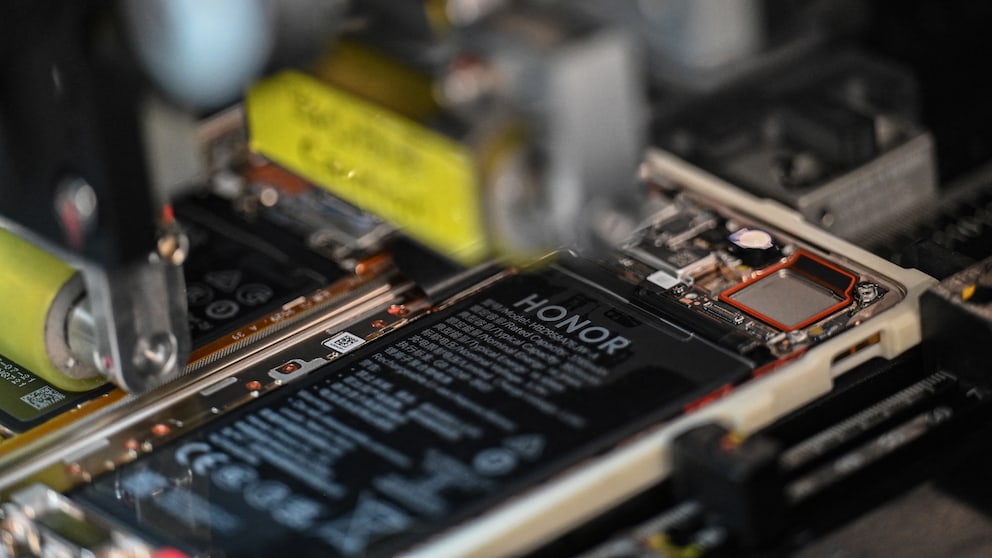
When people think of smartphones and computers, they usually picture well-known manufacturers from Asia or the U.S. Less visible is the fact that crucial technology for many devices originates in Europe. In particular, companies from Germany and the Netherlands provide essential components without which many devices in their current form would not be possible.
Optics and Lithography as the Foundation of Chip Manufacturing
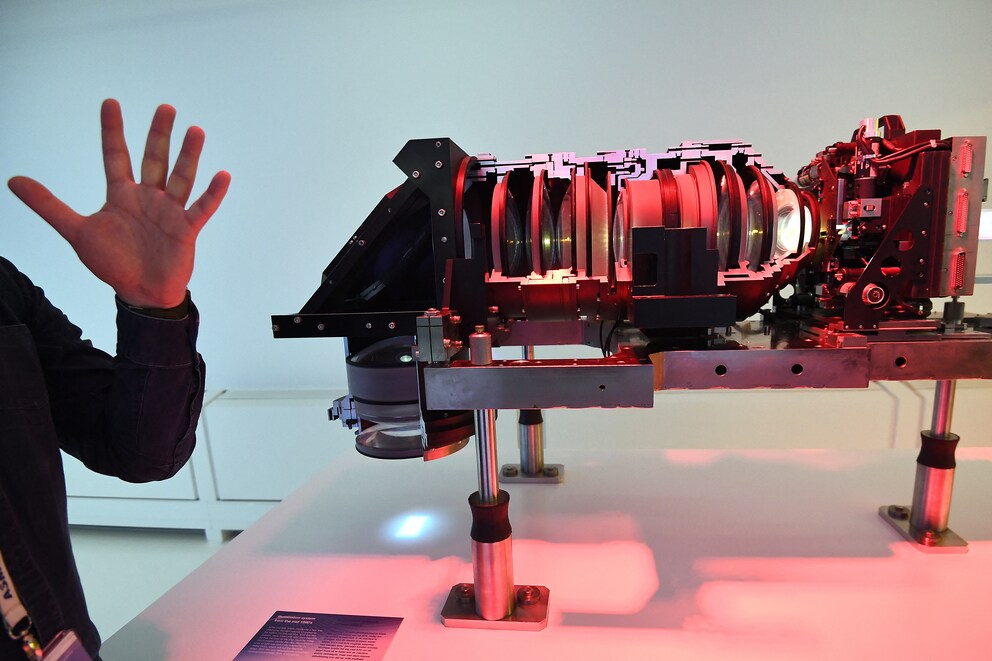
The company Zeiss plays a central role. Since its founding in 1846, the firm has been developing optical systems. In addition to camera lenses for smartphones, Zeiss produces high-precision lithography optics used in chip production.
These optics function like extremely precise magnification systems. They project tiny structures onto silicon wafers. Without this technology, modern processors would be significantly larger and slower or could not be manufactured at all.
These systems are primarily used in lithography machines from the Dutch manufacturer ASML. The company develops equipment that uses light to transfer circuits onto chips. These machines are considered key technology in semiconductor manufacturing and are a central foundation for CPU, memory, and graphics chips.
The development of these systems has taken decades and is said to have cost around four billion euros. According to industry experts, ASML has gained an advantage that others can hardly catch up with. A single lithography machine cost 400 million U.S. dollars in 2025, and newer models are expected to be even more expensive. Major manufacturers like Samsung, Intel, and TSMC use this technology to etch circuits in the nanometer range onto silicon wafers.

Fairphone 5 Review: What the Sustainable Smartphone Offers

Is the Fold-8 Boom Affecting Future Galaxy Models?
Laser Technology and Control in Smartphones
This manufacturing process is complemented by laser technology from Trumpf. The company from Ditzingen supplies systems that use highly precise light pulses to create structures on silicon. Together with Zeiss, Trumpf provides ASML machines with the necessary technology for chip production.
After the chips are manufactured, other components take on central roles in the device. Infineon from Munich develops components responsible for power supply and audio playback.
This includes efficient audio amplifiers that ensure clear sound while consuming little energy. The control of charging processes and energy distribution in the device is also managed by corresponding semiconductor solutions.
Also of interest: New smartphone in development at Amazon
Sensors, Wireless Technology, and Other Key Components
Sensors are necessary for detecting movement and position. Bosch Sensortec develops so-called MEMS sensors, which are micromechanical components in miniature format.
These sensors detect rotational movements, count steps, or register falls. They are used not only in smartphones but also in wearables, vehicles, and other electronic devices.
Another important technology is NFC for contactless payments. The Dutch company NXP plays a significant role here. The chips enable secure transactions and applications like digital tickets in public transportation.
In addition to these large companies, there are numerous other specialized firms. They develop components, software, or manufacturing techniques. Often working in the background, they significantly contribute to the functionality of modern smartphones and computers in their current form.