


September 29, 2026, 4:34 pm | Read time: 4 minutes
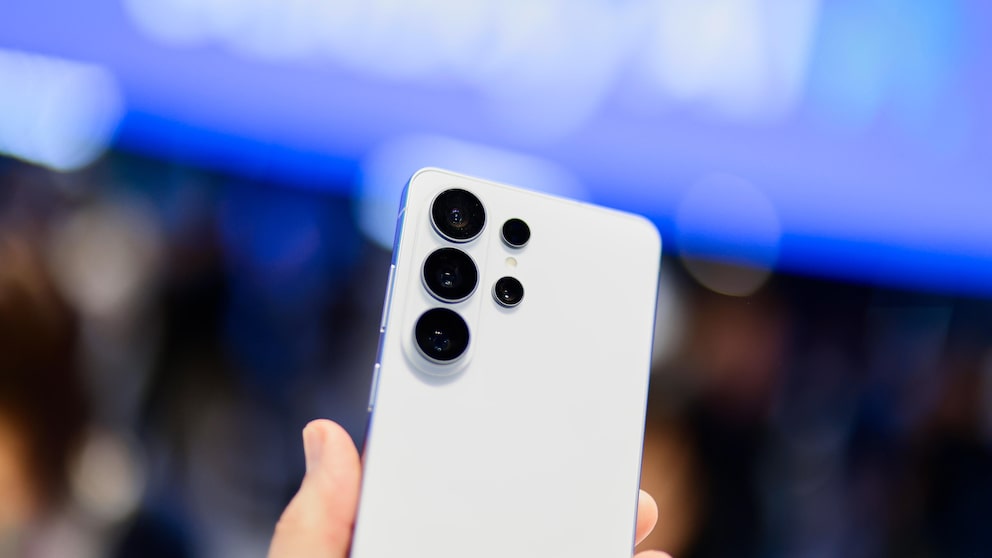
After a raid in 19 European countries, buyers are increasingly worried about receiving a device made from used components instead of a new Samsung smartphone. Thousands of phones are believed to have been sold as factory-new in this manner. Because the technology, packaging, and sealing appeared authentic, the alleged fraud often went undetected for a long time. However, certain irregularities can provide clues.
Thousands of Devices Sold as New
Investigators have dismantled a suspected network of phone fraudsters in 160 searches across 19 countries, as reported by “BILD.” A warehouse in Krefeld, where thousands of counterfeit Samsung smartphones were allegedly stored, was among the focal points. The damage to consumers is estimated at around 300 million euros.
The perpetrators are said to have purchased used smartphones in Asia and the Middle Eastern region. The devices were then disassembled, refurbished, and reassembled from existing components in places such as Dubai and Hong Kong. The smartphones were subsequently given packaging and seals that appeared convincingly genuine. Because original parts were used, the devices were almost indistinguishable from factory-new models externally.
In this way, the smartphones reached Europe and were offered as new on well-known online platforms like Amazon. At the same time, the perpetrators are alleged to have evaded taxes worth millions during import and resale.
These Irregularities Can Reveal the Fraud
Many buyers initially noticed no difference from a regular new device. The smartphones appeared authentic and initially functioned like ordinary new products. Potential problems only became apparent after several months of daily use.
Warning signs include unexpected restarts and frequent crashes. A battery that loses power unusually quickly can also indicate a device that has been used before or assembled from used components. Other clues can be missing security updates or difficulties in installing them. Some customers only discovered during a warranty or repair request that their supposedly new smartphone had already been used.
If you have doubts about your device due to such irregularities, you should act quickly. First, secure the purchase documents and verify the smartphone and the actual seller.

If You Use an Electric Toothbrush, Pay Close Attention Now
How to Identify Fake Samsung SSDs
What Buyers Can Do Now
Keep the invoice, order confirmation, shipping information, and original packaging. These documents can be important in a complaint or possible investigation.
The individual device number, known as the IMEI, can be displayed using the key combination *#06#. Buyers can provide it to Samsung support for verification. The manufacturer offers several contact options and can determine if the device is suspicious or has been previously used.
At the same time, affected individuals should contact the seller or sales platform. Buyer protection programs may apply to misdescribed products. Amazon is increasingly cracking down on product counterfeiting and offers measures to protect affected buyers.
It is crucial to identify who actually acted as the seller. On Amazon and other online marketplaces, many offers do not come from the platform itself but from third-party vendors. Therefore, the actual seller is decisive for complaints and possible claims. In the case of a concrete suspicion of fraud, buyers should also file a report with the police. This way, other victims may be identified.
Also interesting: Beware! Do Not Shop at These Online Stores
Check the Store Before Buying
Even before purchasing, consumers can watch for suspicious offers. Caution is especially advised with current smartphones priced significantly below the level of large and established electronics retailers.
Other warning signs include few or conspicuously poor reviews of a shop, complaints about defects or software issues, and missing or incomplete invoices. Hard-to-reach sellers abroad and unusually large quantities of identical devices can also be suspicious.
Buyers should also check the seller information and the duration of their business activity. A look at the imprint shows whether a complete company address, contact options, and legal information are available.
If this information is missing or seems contradictory, buyers should avoid the offer. This is especially true for high-priced smartphones offered significantly cheaper than at well-known electronics retailers.