


April 23, 2026, 10:39 am | Read time: 3 minutes
On Amazon, the company not only sells its own products, but numerous vendors also use the platform to offer their goods. It’s been a known issue for years that, among the many products, there are also counterfeits. A recent case highlights the specific risks this poses to consumers. Together with Philips, Amazon has now taken legal action against a seller who allegedly sold counterfeit toothbrush heads.
Online marketplaces have long faced the challenge of identifying and removing counterfeit products. Amazon also frequently encounters listings that do not match the originals. In a conversation with TECHBOOK, the company explained its increased efforts to tackle such cases. The current case illustrates that, in addition to technical solutions, legal measures are also being employed.
Lawsuit Over Counterfeit Philips Toothbrush Heads on Amazon
To detect suspicious listings early, Amazon relies on systems with artificial intelligence. These analyze large amounts of data and aim to identify unusual patterns before products even reach customers. According to the company, its internal anti-counterfeiting unit has pursued more than 32,000 suspected offenders in 14 countries since 2020. In 2025, over 15 million counterfeit items were discovered and removed.
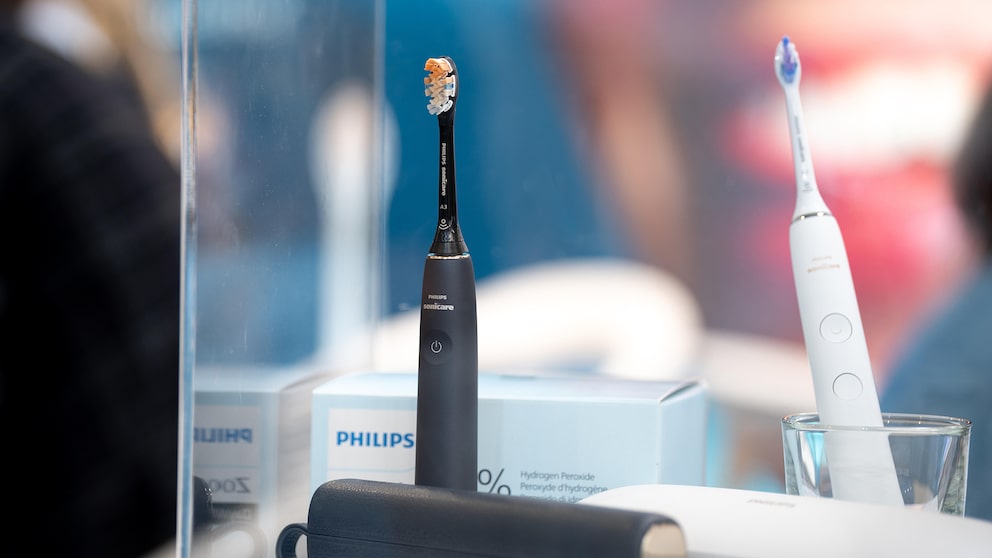
Amazon also works closely with product manufacturers. In a recent example, the focus is on counterfeit attachments for Philips Sonicare electric toothbrushes. These were discovered during a joint investigation by Amazon’s Counterfeit Crimes Unit and Philips, which included targeted test purchases. The parties involved found that the offered products showed significant quality deficiencies, were made from inferior materials, and lacked the technical features of the originals. Additionally, investigators checked the invoices submitted by the seller, which turned out to be unverifiable.
Based on these findings, Amazon removed the listings, suspended the seller’s account, and filed a lawsuit with Philips at the Frankfurt/Main District Court against a suspected seller.

Amazon: “Product Counterfeiters Often Also Involved in Human Trafficking”

Consumer Advocates Uncover Flaws in Online Stores
Do Buyers Need to Take Action?
Customers who purchased such Philips toothbrush heads on Amazon generally do not need to take action themselves. The company has proactively contacted affected buyers and automatically refunded the full purchase price. However, it may be wise to review your orders and pay attention to relevant notifications. If uncertain, the affected products should not be used further, as the investigation found quality deficiencies and limitations in function and compatibility.
Enhanced Measures Against Fraud
Amazon describes the case as part of a broader strategy against counterfeiting. The company claims to follow a zero-tolerance policy, combining preventive controls with legal actions. This includes collaboration with brand manufacturers and authorities.
In parallel, Amazon continues to expand its technical systems. This includes programs designed to detect suspicious developments early. In addition to product counterfeiting, manipulated reviews and fraudulent websites are also a focus. In 2025, more than 100 such sites were shut down in this context.