

November 6, 2026, 9:12 am | Read time: 2 minutes
Xiaomi is rolling out its next major software update. HyperOS 4 is being distributed worldwide and is expected to reach a total of 80 devices. In addition to 65 smartphones, 15 tablets from Xiaomi, Redmi, and Poco are on the update schedule. The distribution will occur in several waves and will continue until the end of December 2026.
HyperOS 4 Gets a New Look
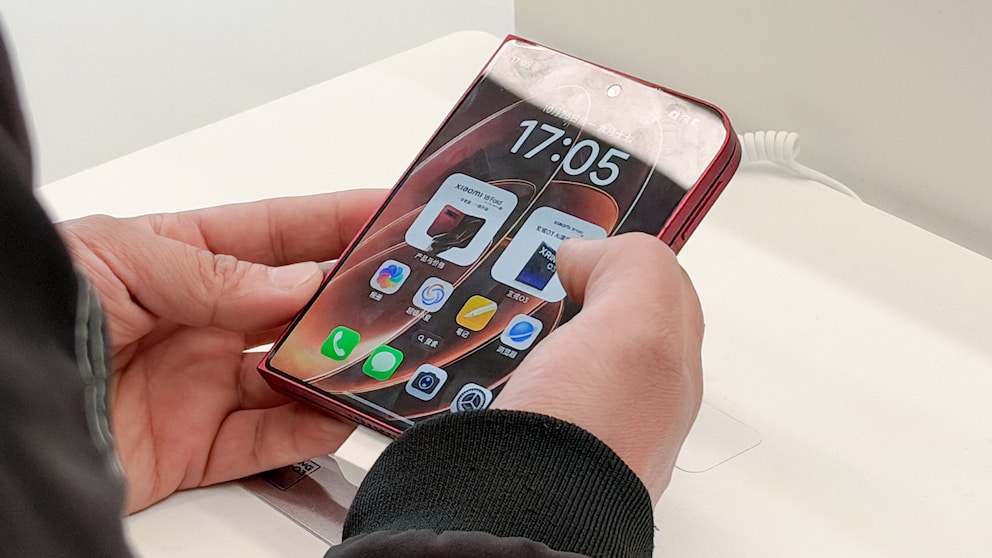
The revamped interface is immediately noticeable. Xiaomi is incorporating transparency, light, and other graphic effects. There are also practical changes for everyday use. Widgets can now be stacked on the home screen, and folders can be resized.

Users will also have more freedom with the lock screen. The display can be more extensively customized to personal preferences. With these updates, Xiaomi is not only making HyperOS visually more modern but also expanding personalization options.

Xiaomi Ends Update Support for 31 Smartphone Models

How Long Do Smartphone Manufacturers Offer Update Guarantees?
AI to Speed Up Apps
The changes behind the scenes are more intriguing. Xiaomi is increasingly relying on artificial intelligence with HyperOS 4. The system is designed to analyze device usage to optimize, among other things, device startup and app opening.
Also of interest: Xiaomi 18 Pro could become quite expensive
Additionally, Xiaomi aims to reduce frame drops. Simply put, these are brief drops in frame rate that make animations or movements appear less smooth. HyperOS 4 is intended to provide a smoother user experience in this regard.
The Rollout Occurs in Several Waves
Initially, current devices like the Xiaomi 17 and Xiaomi 15 series, as well as the Xiaomi Pad 8, will be prioritized. Starting in mid-November, the Xiaomi 15T and the Xiaomi Pad 7 series will follow. Older models are scheduled for updates in December.
It is important to note that the update is being distributed as an OTA update. Those not automatically notified can manually search for HyperOS 4 in the system settings of their Xiaomi, Redmi, or Poco device.