

October 17, 2025, 3:55 pm | Read time: 2 minutes
In the European Union, USB-C ports are already mandatory for many electronic devices. By the end of 2024, smartphones and tablets must be equipped with them, and by the end of 2026, this will also apply to laptops. Now, the EU Commission plans to extend these regulations to power adapters. Starting in 2028, chargers will also have to meet stricter technical and energy requirements.
Regulations for External Power Adapters
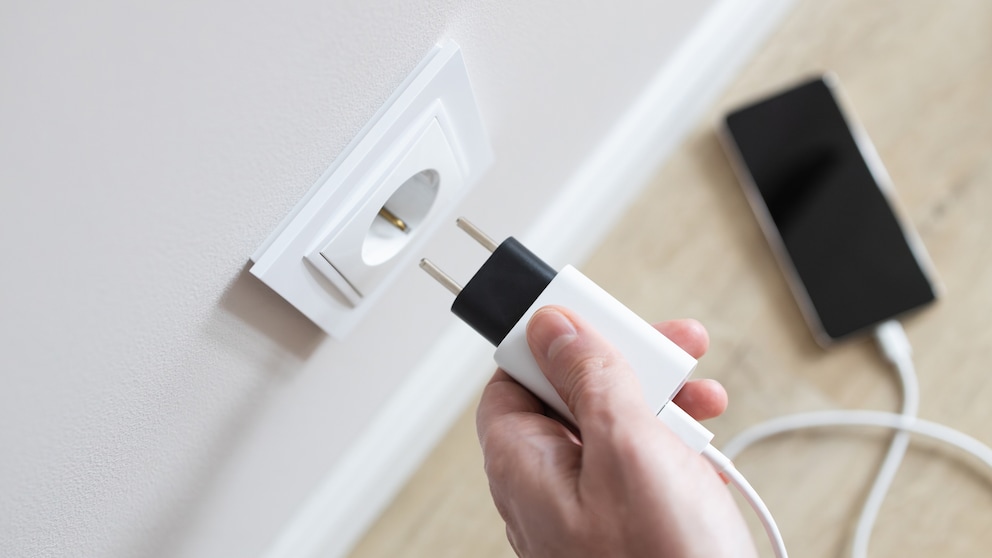
The new EU regulations affect external chargers that power devices such as smartphones, laptops, or monitors. They must now have at least one USB-C port and be equipped with detachable cables.
Additionally, the EU Commission mandates higher efficiency standards. Minimum requirements will apply to power adapters with up to 240 watts of output. This is particularly relevant for devices that charge via USB Power Delivery (USB-PD). Power adapters with more than 10 watts must also achieve certain efficiency levels in partial load operation.

Major Legal Change Affects All Smartphone Users
What You Should Consider When Buying a USB-C Cable
Savings Potential of the New Regulations
In Europe, over 400 million such power adapters are sold annually. According to the EU Commission, the new efficiency requirements could save around three percent of energy and reduce CO₂ emissions by about nine percent by 2035.
EU Energy Commissioner Dan Jørgensen emphasized: “Common chargers for our smartphones, laptops, and other everyday devices are a smart decision that puts consumers first while reducing energy waste and emissions.”
New Labeling System
Manufacturers are given a transition period of three years. Starting in 2028, they may only sell power adapters that meet the new requirements. To mark the standardized adapters, the EU is also introducing a new “EU-Common-Charger” logo. This logo will indicate to consumers which chargers are compatible and what maximum power they can deliver. The wattage will be prominently displayed on the label.