


December 22, 2025, 1:46 pm | Read time: 2 minutes
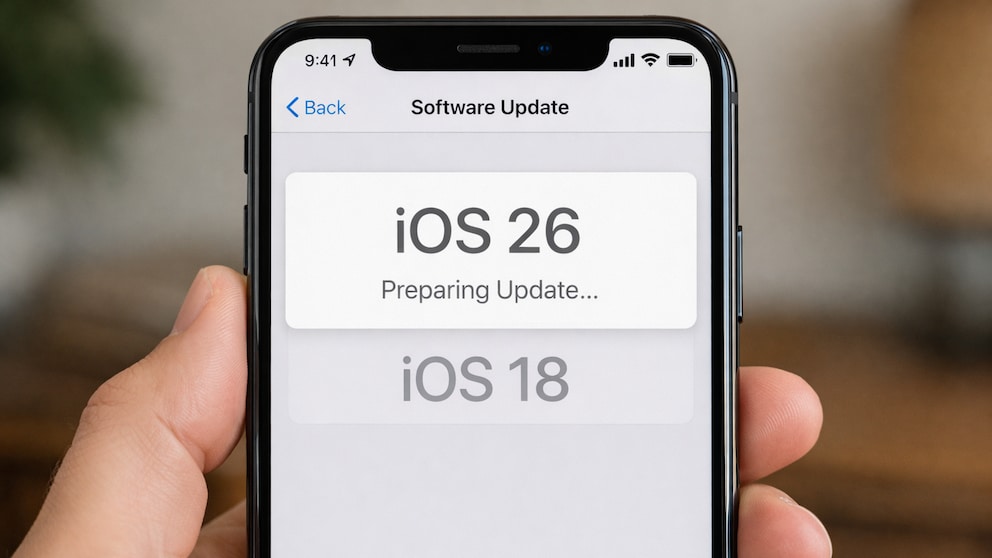
So far, Apple has allowed users to stick with iOS 18 instead of switching to iOS 26. The older version continues to receive relevant security updates and was considered an alternative for those reluctant to update. But that’s now over, as with the release of iOS 26.2, Apple is making the switch mandatory for the last holdouts.
Currently, iOS 18 and iOS 26 are being developed in parallel. This ensures that the iPhone XR, XS, and XS Max—which cannot update to the new version—are still provided with security patches. Owners of iPhone 11 through iPhone 16 could choose whether to install the new version or stay with iOS 18 a bit longer.
No New iOS 18 Updates for Compatible Devices
Since the end of September, Apple has blocked downgrades to iOS 18 for users who switched to iOS 26. However, those who deliberately stayed with the older version could install all updates up to and including 18.7.2.
Since early December, however, Apple has been pushing iPhone users to switch to iOS 26. Initially, updates for iOS 18 appeared further down in the settings, as reported by “MacRumors.” Now, new iOS 18 versions are no longer available on any devices that support iOS 26.
Also of interest: The Best Hidden Features in iOS 26
For iPhone 11, 11 Pro, 11 Pro Max, and newer, only iOS 26.2 appears as an update option. Meanwhile, iOS 18.7.3 is available exclusively for iPhone XR, XS, and XS Max. Apple is thus tying the provision of current security patches directly to the new operating system—even though these vulnerabilities were also addressed in iOS 18.7.3.
Apple’s Update Strategy Follows a Fixed Pattern
This approach is not new. With the launch of iOS 15, Apple first allowed users to temporarily stay with iOS 14. On its website, the company announced that iOS would offer “the choice between two versions for software updates” in the future.
This transition phase ended in early 2022. With iOS 15.2, Apple stopped security updates for iOS 14 on compatible devices. The same pattern repeated with the transitions from iOS 16 to iOS 17 and from iOS 17 to iOS 18.
This year, the push to switch is more pronounced because iOS 26 introduces a major overhaul of the user interface with “Liquid Glass.” These changes are not welcomed by all users, which further explains the reluctance to update.