

October 27, 2025, 6:55 am | Read time: 2 minutes
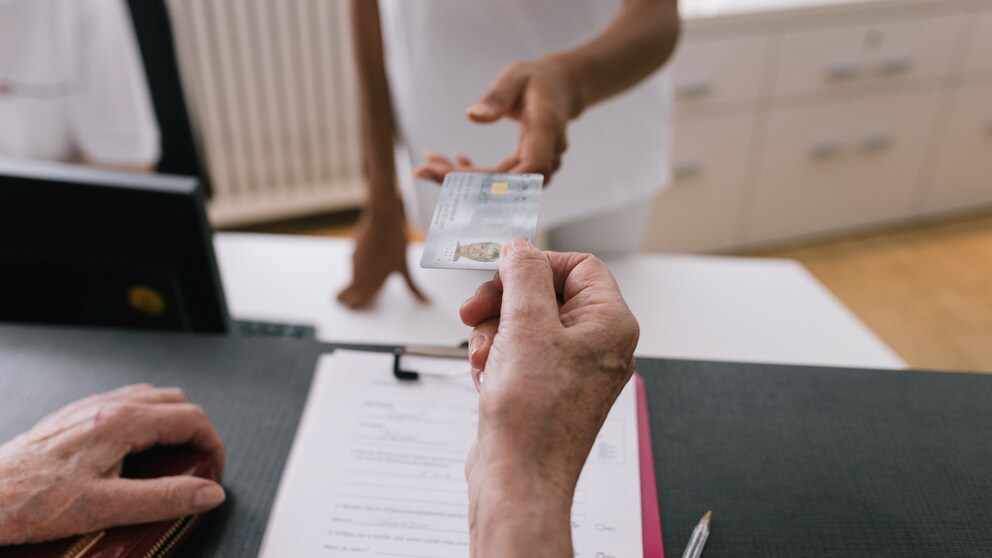
Since early 2024, health insurance companies have been preparing their insured members for a new phase of digitalization in healthcare. The so-called HealthID aims to make access to medical services significantly easier in the future. Instead of presenting a health card at the doctor’s office, a smartphone with secure log-in will soon suffice.
Registering at the Doctor via Smartphone
Starting January 2026, insured members can also use their health data through the digital HealthID. Identification is done via a smartphone with NFC functionality and a personal PIN. After a one-time registration with an ID card, no physical card is necessary. Patients can then directly register at medical practices or access their digital patient records via their mobile device.
The process is designed to simplify existing procedures while ensuring security. Gematik GmbH, responsible for the telematics infrastructure in healthcare, is developing the system on behalf of the federal government. The goal is a standardized digital access similar to what is already established in online banking.

Telekom Introduces Its Own Patient Record: Can It Solve the ePA Issues?

How Is the E-Prescription System Working?
Health Card Remains Valid
The current electronic health card will not be completely phased out in 2026. Users can decide whether to continue using the card or opt for the new digital method. The transition is voluntary and serves as an additional option for insured members.
The health card introduced in 2014 remains usable in parallel. Those who do not own a smartphone or prefer not to use the digital solution can continue to use the familiar plastic card. This ensures that no one is excluded from medical care.
Read also: What You Should Know About the Electronic Patient Record
Digitalization in Healthcare Gains Momentum
With the HealthID, the healthcare sector is taking another step toward digital administration. Similar developments are already occurring in other areas: debit cards can now be used via smartphones, and a digital driver’s license is also planned.
The HealthID is part of this overarching modernization, which aims to simplify the daily lives of many people—without immediately replacing existing analog alternatives.