


April 18, 2024, 1:26 pm | Read time: 6 minutes
The London-based startup Nothing has introduced two new earbuds in the earbud form factor. TECHBOOK has thoroughly tested both models.
In 2021, Nothing introduced its first product, the Ear (1), laying the foundation for its audio expertise. The new Ear models are now the third generation in their earbud series, which now also includes a more affordable variant in the form of the Ear (a). With this, the company is moving away from its previously consistent naming convention (Ear (1), Ear (2)) to align with its smartphones. Find out what distinguishes the models and which one is worth it for whom in our TECHBOOK test.
Overview
Familiar Design with a Splash of Color
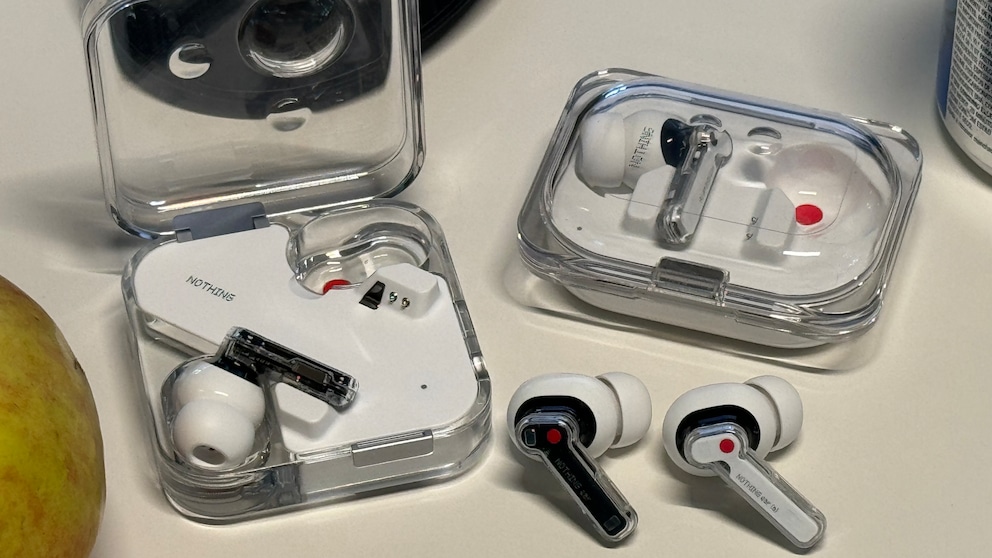
Externally, Nothing remains true to the transparent design language it introduced with the Ear (1). The look is heavily inspired by transparent electronics from the ’90s, which experienced a real boom back then. Inspiration likely came from the Nintendo Game Boy, Apple Mac G3, and Nintendo 64, all of which featured transparent cases.
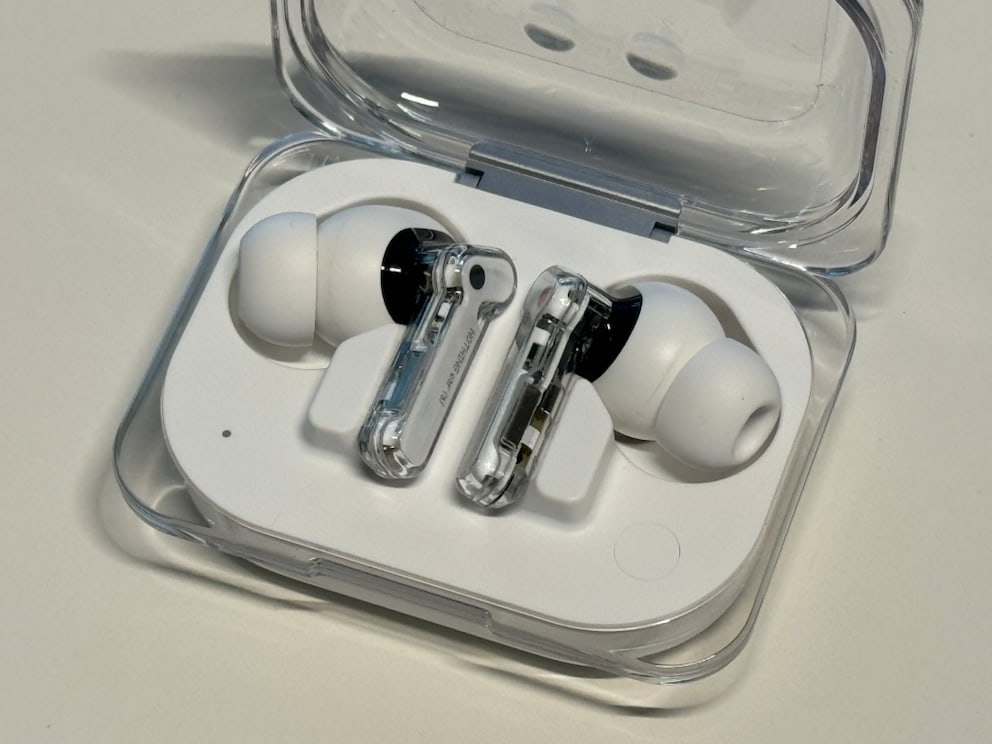
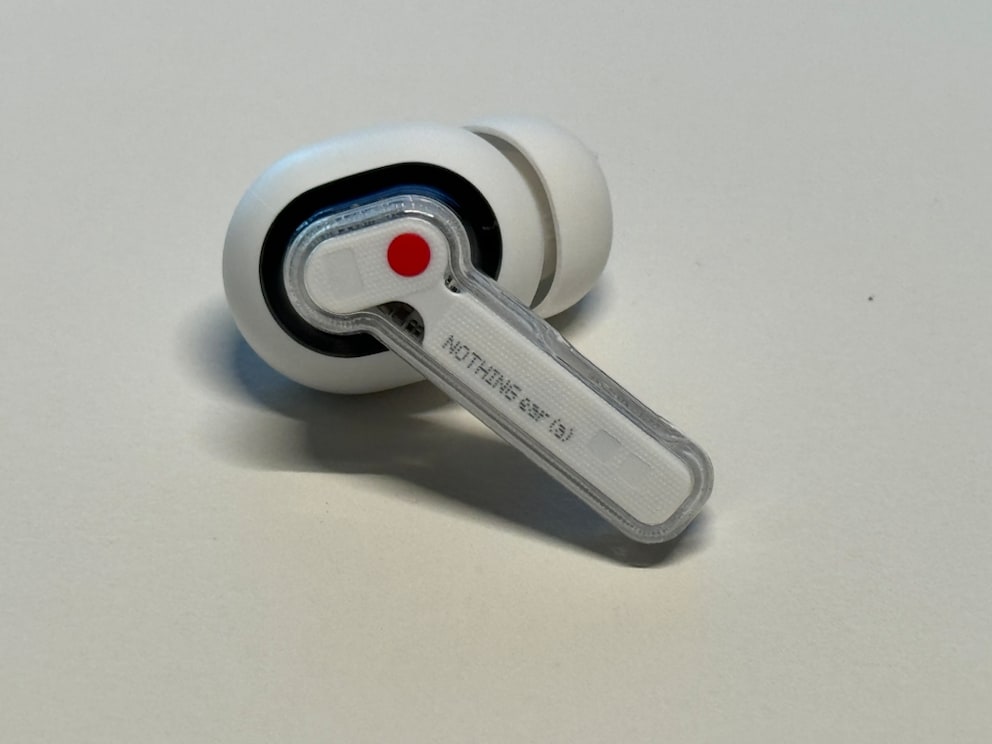
The cases of the Ear and Ear (a) are by no means completely transparent. Nothing highlights carefully designed elements, such as the magnets and the red and white dots for the right and left earbuds. The drivers themselves are hidden behind opaque plastic, as is the electronics of the charging case.
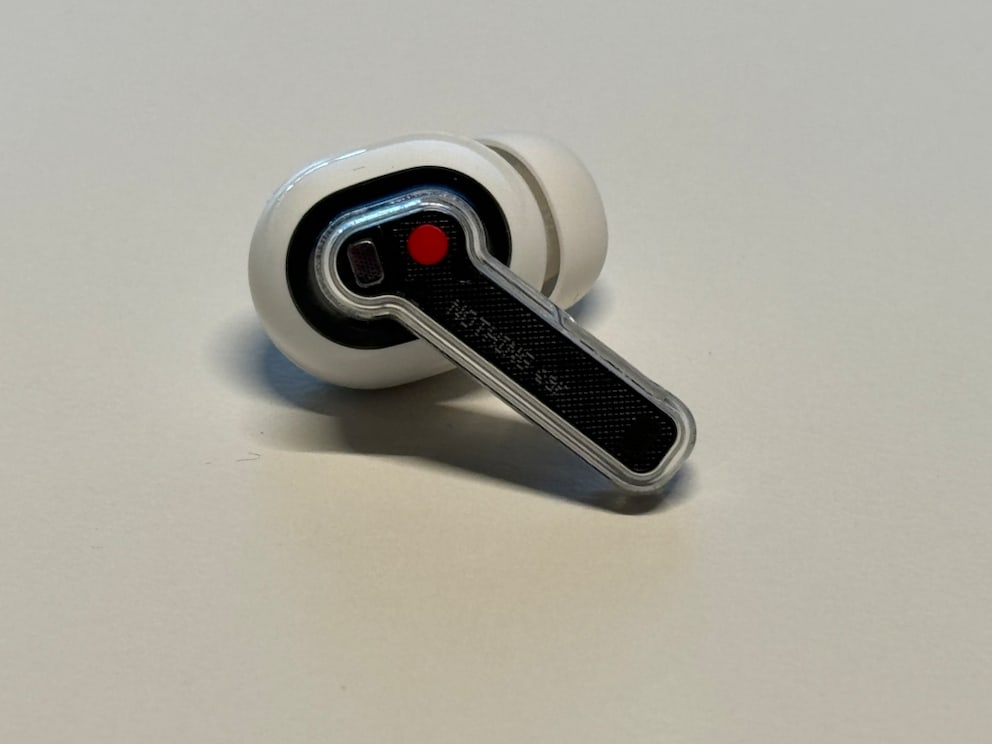
One detail we noticed and can’t explain: With the Ear, the white plastic in the case is matte, but on the earbuds themselves, it’s glossy. With the Ear (a), it’s the opposite: matte earbuds and a glossy case. That’s unfortunate because Nothing had the option to keep one of the models entirely in a matte finish. We would have liked to see that, as fingerprints and other smudges leave fewer marks on it.
The earbuds themselves look practically the same in both versions. The stem of the Ear (a) is slightly longer, and the position of the microphones differs. However, the general shape and fit in the ear are exactly the same. Both models come in black and white variants. The Ear (a) is also available in a new yellow version–a first for Nothing.
6 Wireless In-Ear Headphones With Noise Cancelling Compared

The 8 Best Bluetooth Sports Headphones Compared
Differences in Case and Battery Life
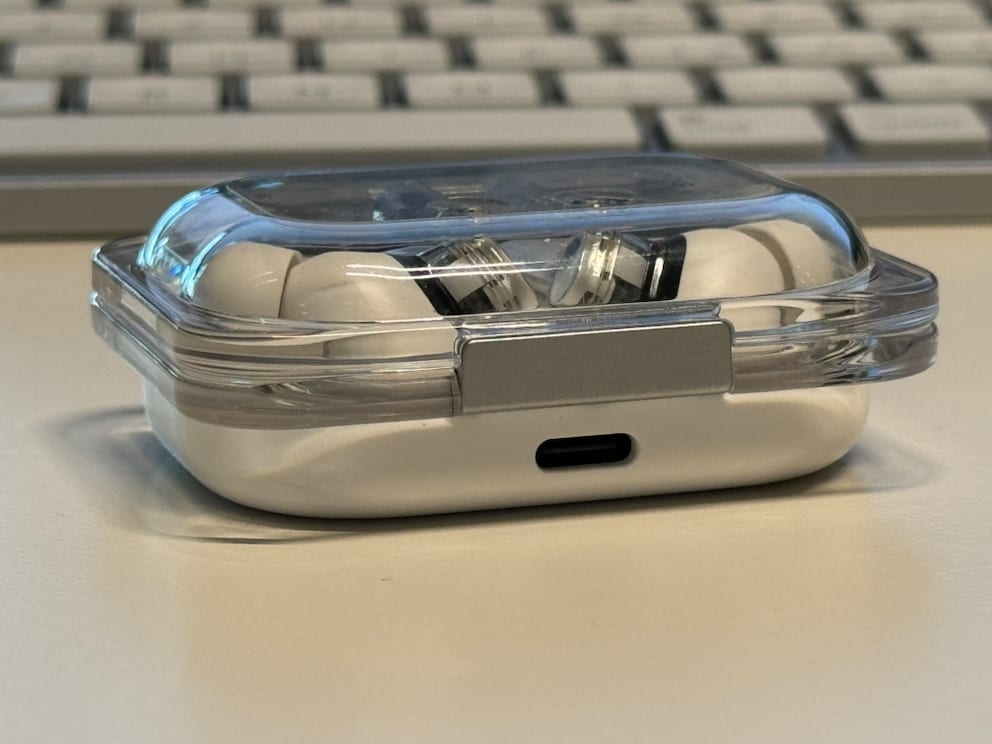
While the Nothing Ear comes with the same case design we know from the Ear (1) and Ear (2), the company has chosen a new layout for the Ear (a). The new form factor resembles the AirPods Pro, but the case still opens so that the earbuds are directly exposed. This makes removing and inserting them a breeze. The magnets for securing them are strong enough, just like in the more expensive Nothing Ear, so the earbuds don’t fall out of the case even with sudden movements–excellent! However, the rest of the Ear (a) case does feel less premium and noticeably creaks when you slightly bend the lid to the side. We also noticed more play here than with the Nothing Ear. Overall, the case doesn’t feel very elegant, which is likely due to the rather thick plastic lip on the base and lid.
Both models have an IP54 rating for dust and splash resistance. However, the Ear (a) case is only protected to IPX2 (no dust protection), while the Ear case has an IP55 rating. This means the more expensive model is significantly better at withstanding splashes.
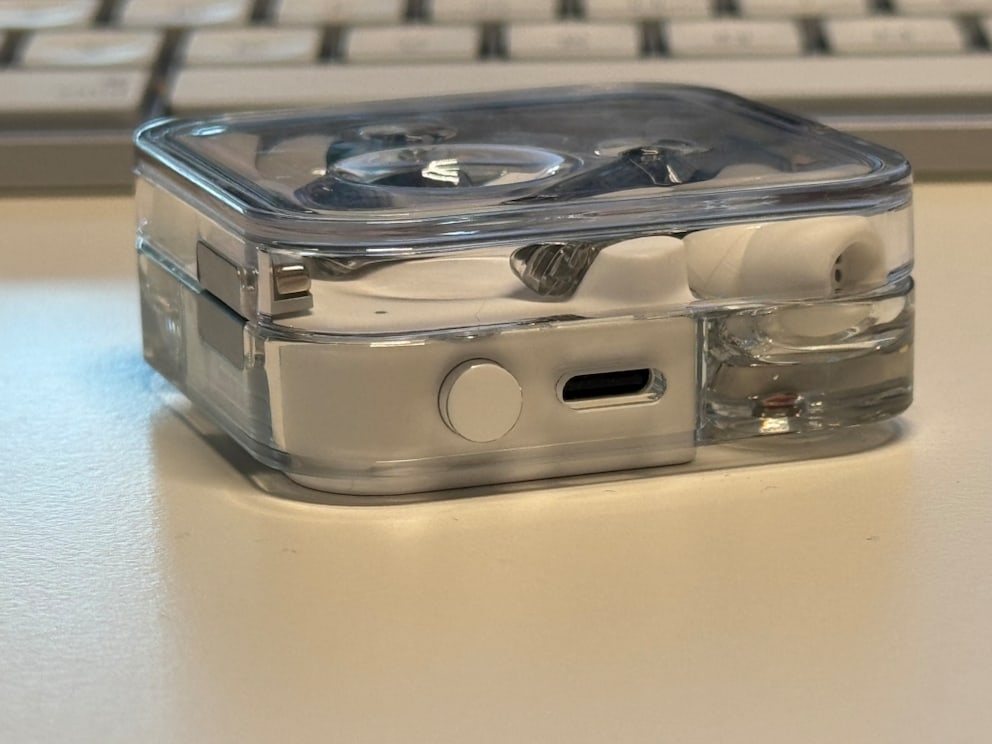
The more affordable model has the edge when it comes to battery life. While the Nothing Ear offers up to 5.2 hours of playtime, slightly more than its predecessor, the Ear (2), the Ear (a) lasts up to 5.5 hours. The Ear (a) charging case also has a slightly higher reserve of 19 hours compared to the Ear’s 18.8 hours. Both charge via USB-C, but only the Nothing Ear also supports wireless charging. Regardless, both the Ear and Ear (a) can provide an additional 10 hours of playtime with just 10 minutes of charging.
Also interesting: Nothing Phone (2a) – affordable mid-range smartphone review
The ANC Performance of Nothing Ear and Ear (a) in Test
The Ear models are already the third generation of Nothing’s headphones with active noise-canceling (ANC). Especially with the jump from the first to the second generation, noise cancellation has improved significantly. For Ear and Ear (a), Nothing claims a reduction of up to 45 decibels (dB)–13 percent more than the Ear (2). These are lab values, so how do the headphones perform in real life?
It’s remarkable that Nothing has given the more affordable Ear (a) the same ANC performance as the Ear. However, contrary to the company’s promises, ambient noise is not “eliminated.” The effect is best described as a dampening of sounds–it’s hard to explain. There are now ANC headphones that can practically silence certain frequency bands completely. Typically, low frequencies are particularly effectively canceled by ANC. However, the Nothing earbuds–neither the Ear nor the Ear (a)–are truly capable of this.
Even with the more expensive Nothing Ear, we could still hear passing cars in traffic during the test. In the office, colleagues’ conversations were clearly audible–as were coughs and throat clearings. In comparison, AirPods Pro 2 and Sony WF-1000XM5 create a veritable bubble that blocks out almost all external noise except for keyboard typing. While the Nothing Earbuds effectively cover low-frequency noises, this is now standard for affordable ANC headphones.
After putting them on, we had to repeatedly check that ANC was indeed active and not the transparency mode, as the earbuds still let in a lot of noise. While Apple, Sony, Bose, and other manufacturers now deliver excellent ANC options that can effectively eliminate even voices and shrill noises, Nothing simply can’t keep up here.
This can also be an advantage. Not everyone wants to completely block out their surroundings. For instance, to follow conversations and still hear traffic–just with a damper. However, high-end earbuds like the AirPods Pro 2 and Sony WF-1000XM5 offer an ANC effect that plays in a different league. This may not be surprising, but if you’re looking for compact noise-canceling options that can almost completely eliminate ambient noise, you’re better off with higher-priced earbuds.
At least Nothing’s claim that there is no difference in ANC performance holds true. In repeated direct comparisons in indoor and outdoor environments, we could hardly notice any difference in ANC performance–a clear plus for the more affordable Ear (a).
Also read: Nothing Phone 2 in review–how good is the smartphone with LED back?