

September 20, 2025, 5:20 am | Read time: 4 minutes
The manufacturer Nothing has established itself in the field of smartphones and headphones. With the new Ear (3), the company has now launched another product that boasts innovative features. The charging case of the in-ears, in particular, holds a surprise that could make everyday life easier. But can the Ear (3) really compete with established brands like Apple or Sony?
Design and Comfort
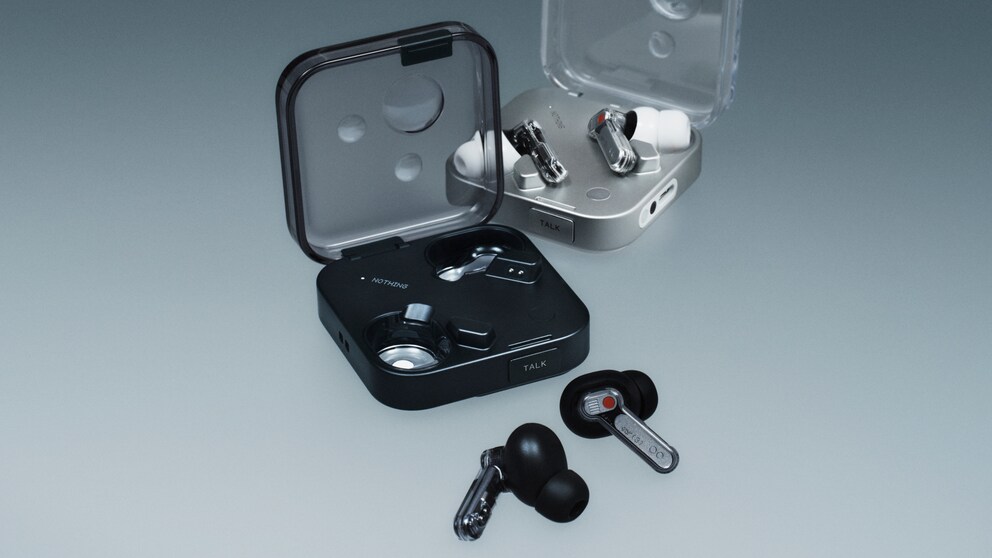
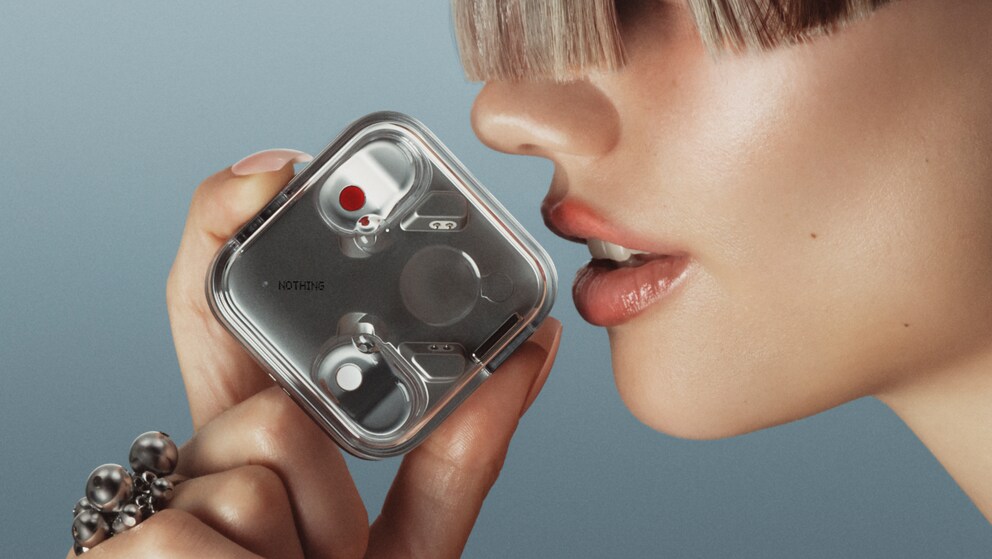
The Nothing Ear (3) show a strong resemblance to their predecessor models but offer some remarkable innovations. The transparent casing is now available in either silver or black aluminum, giving the in-ears a more premium look. The package includes four different tip sizes to enhance the comfort of the lightweight 5.2-gram earbuds. An app assists in selecting the right tips through a brief fit check.
Sound and Features
The Ear (3) not only impress with an improved sound profile but also with a range of practical features. An equalizer in the app allows for sound adjustment, and a low-latency mode enhances the audio experience when gaming or watching movies. Control is directly on the earbuds, though getting used to it takes some time. The app also supports voice assistants like Siri and Google Assistant. However, the integration of ChatGPT is reserved for Nothing smartphones.
Also interesting: What the new AirPods Pro 3 can do
6 Wireless In-Ear Headphones With Noise Cancelling Compared

How good is noise canceling on the AirPods 4, really?
Improved Call Quality
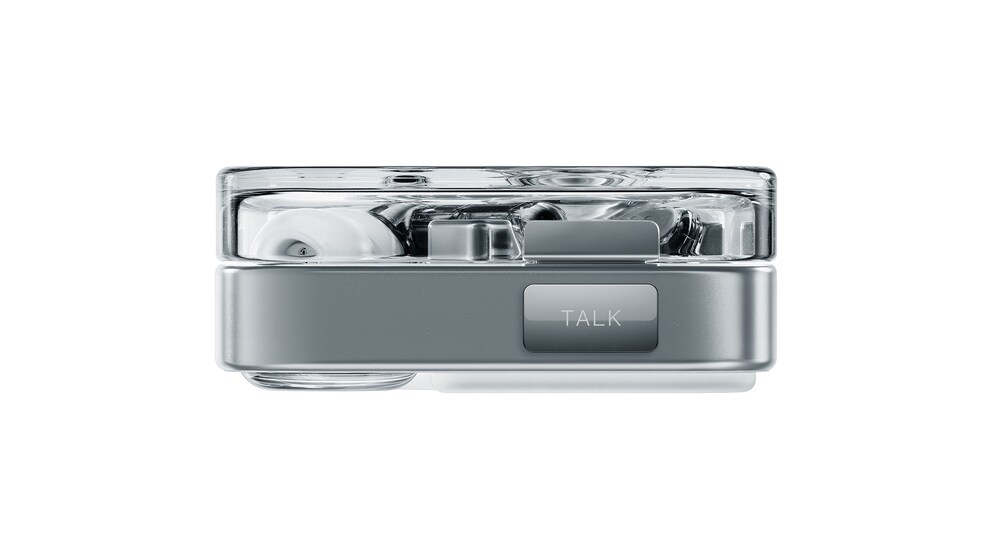
One of the standout innovations of the Ear (3) is the charging case, now equipped with two additional microphones. Pressing the ‘Talk’ button significantly improves call quality by suppressing background noise. This feature can also be used for voice notes in the Essential app on Nothing smartphones. A few third-party apps support the case as an external microphone. However, it cannot be used for video recordings. According to Nothing, this is due to limitations in the iOS and Android operating systems.
The in-ears themselves offer an impressive battery life of eleven hours with active noise canceling at the highest level. After a short charging time of ten minutes in the case, more than two hours of playback time is already possible.
Nothing Ear (3): Good Sound, ANC Needs Improvement
With the Ear (3), Nothing has taken another step toward the upper class. The improvements in design, sound, and features set the model apart from its predecessors. The innovative microphone in the charging case, in particular, represents a real added value. However, there are areas where there is still room for improvement, especially in noise canceling.

Nothing is bad with names, but good with audio
“When I went through the spec sheet of the Nothing Ear (3), I was initially taken aback. Instead of the ceramic drivers of the previous Nothing Ear models, plastic and TPU are used again. Instead of the high-resolution codec LHDC 5.0, the Ear (3) returns to LDAC. My colleague Robert Ladenthin, who tested the headphones for Computer Bild, assures me that they are still overall better. The bass is stronger and ‘the highs are a bit more brilliant.’ Nothing probably forgoes LHDC 5.0 to save on licensing fees–LDAC is sufficient for the Ear (3). I personally suspect that Nothing plans a Pro version of the Ear to bring back ceramic and LHDC.
I must also credit the relatively young company for correcting its crazy naming. When I tested the predecessor, I couldn’t get over the fact that the device, after Ear (1) and Ear (2), was suddenly supposed to be called just Ear. Confusing for consumers and a step in the wrong direction. Nothing seems to have realized this now–which is why the new model is now called Ear (3).”