

May 7, 2026, 6:06 am | Read time: 3 minutes
Meta is exploring new ways to power its data centers. Instead of relying solely on traditional solar farms, the company is looking to space. The goal is to harness energy from space in the future to meet the growing demand of its AI systems.
Meta’s data centers require large amounts of electricity. As of 2024, consumption was over 18,000 gigawatt-hours. This is equivalent to powering more than 1.7 million U.S. households for an entire year. As increasingly powerful AI models are used, the demand continues to rise. Therefore, Meta plans to significantly expand renewable energy. The aim is to have capacities of up to 30 gigawatts, primarily from large solar installations. However, one problem remains: these installations do not supply electricity at night. Thus, operators currently have to either use storage solutions or resort to other energy sources.
How Solar Power from Space Is Supposed to Work
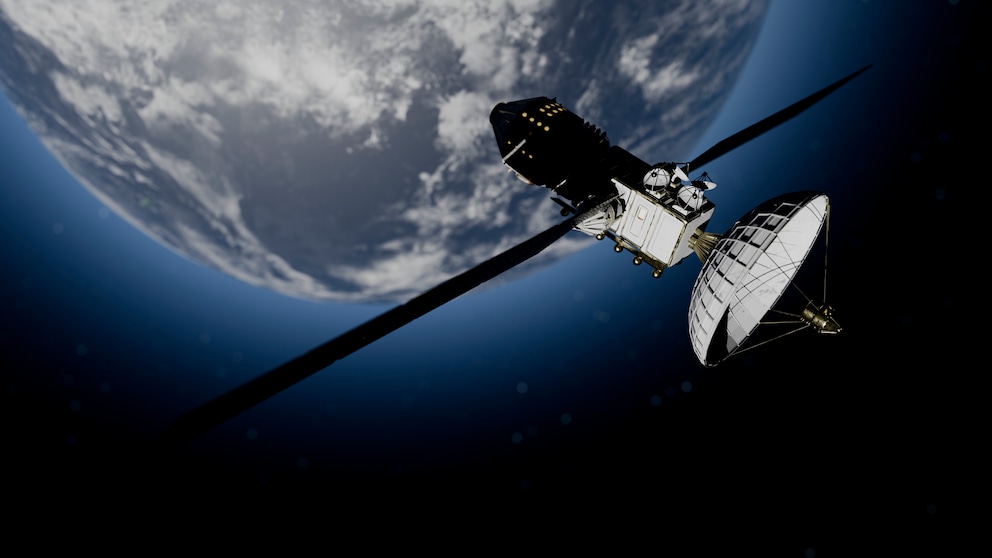
Apparently, Meta has reached an agreement with the U.S. startup Overview Energy. The goal is to source solar energy from space before the end of the decade. The concept is based on satellites that capture solar energy in space and convert it into low-energy near-infrared light. This light is then sent to Earth and converted back into electricity by existing solar farms. Overview relies on a broad infrared beam for this process.
This approach aims to avoid technical hurdles as well as safety and regulatory issues that arise with other methods like high-power lasers or microwaves. According to the online magazine “TechCrunch,” it should be possible to look directly into the beam without risking health damage, says CEO Marc Berte.
Also interesting: Revealed! AI for companies more expensive than human staff
The system could offer a decisive advantage. Existing solar farms could generate electricity continuously. While part of the Earth is in darkness, the satellites would continue to supply energy from space. This would make existing infrastructure more efficient. At the same time, the use of fossil fuels could be further reduced.
Plans for a Large Satellite Fleet
Overview Energy plans to deploy around 1,000 satellites in the long term. These are to be positioned in a geosynchronous orbit about 35,000 kilometers above the equator, where the sun shines almost continuously. Each satellite is expected to provide energy for more than ten years. Together, they could cover about one-third of the Earth’s surface. However, the technology is still in development. According to the company, energy transmission has already been successfully tested from an airplane to the ground. A first satellite launch is planned for January 2028 to demonstrate energy transmission from space. The full fleet is expected to be built starting in 2030.
According to a recent announcement, Meta has signed an initial reservation agreement with Overview. This could allow the company to source up to one gigawatt of power from space in the future. Whether financial resources have already been allocated is unknown.