

November 12, 2026, 4:17 pm | Read time: 2 minutes
The phone number 116117 is an important contact point for many people when they need medical help but it’s not an acute emergency. The patient service offers medical advice and assistance in finding doctor appointments, among other things.
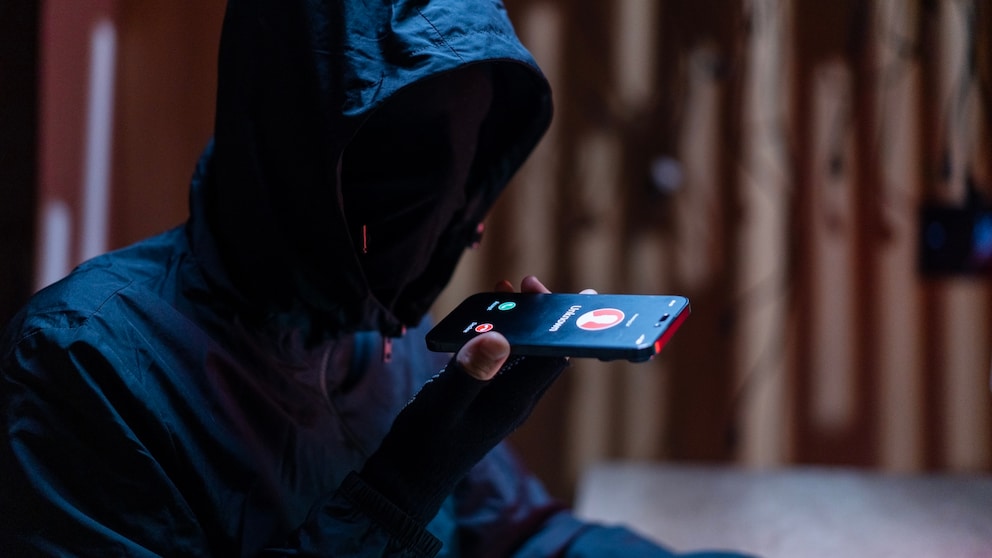
However, scammers are currently exploiting this trust. During their calls, 116117 appears on the phone display, even though the patient service is not actually behind it. The criminals aim to obtain personal information as well as sensitive bank and payment data.
Scammers make 116117 appear on the display
To make the fake calls seem credible, the perpetrators manipulate the transmitted phone number. Through so-called spoofing, recipients see 116117 on their display and are led to believe that the patient service is actually calling.
In the conversation, the scammers pose as doctors or employees of the patient service. They then attempt to obtain personal details and financial information. PINs and TANs may also be requested.
Several medical associations warn
The fraud attempts apparently do not occur in just one region. Among others, the medical associations in Saarland, Schleswig-Holstein, and Hesse are warning about such calls.
Also interesting: Never say this word on the phone
In the current warnings, they also clarify: The patient service 116117 does not call unsolicited to request personal data or financial information. Anyone receiving such a call should hang up. Bank details, PINs, TANs, or other sensitive information should never be given over the phone.