


July 13, 2026, 1:45 pm | Read time: 3 minutes
In early 2027, the new EU battery regulation will take effect, requiring easily replaceable batteries for devices sold in Europe. Manufacturers are now working to adapt their products accordingly–including Apple.
So far, few major tech companies have confirmed plans to release revised devices. A notable exception is Nintendo, which has already announced new revisions of its hardware to comply with the EU requirements. For instance, the Switch 2 will feature a smaller battery and increased weight.
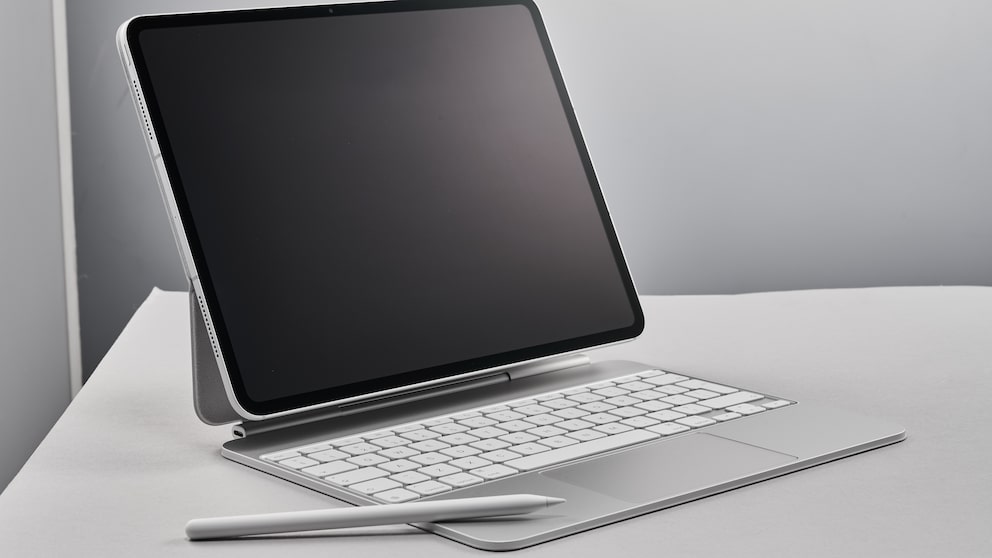
Apple, on the other hand, has not yet commented on adjustments to its products. However, Mark Gurman from “Bloomberg” reports that two new Apple Pencils are in development to facilitate battery replacement.
New Pro and USB-C Model
As Gurman writes in his “Power On” newsletter, the new Pencil models are expected to be released next year, just in time for the EU battery regulation, which takes effect in February 2027. The styluses are set to launch alongside new iPad Pro models in the first half of the year.
According to internal sources, a new entry-level Pencil, codenamed B582, is in the works. It is intended to replace the current Apple Pencil (USB-C), which charges via a USB-C port instead of wirelessly. The second device, under development as B632, is expected to be the successor to the Apple Pencil Pro. The Pro model supports wireless charging and additional features that the USB-C model lacks, such as rotation, pressure gesture, haptic feedback, and integration into the “Find My” network.

Apple Increases Battery Replacement Fee for Older iPhone Models
6 Wireless In-Ear Headphones With Noise Cancelling Compared
Sales Halt for 1st and 2nd Generation Pencils?
The fact that apparently only two new Apple Pencil models are in development suggests that the Apple Pencil (1st Generation) and Apple Pencil (2nd Generation) may soon be discontinued. Apple had replaced the 1st Generation with the USB-C model, which is compatible with most iPad models. The Apple Pencil Pro, however, replaced the 2nd Generation but is not compatible with older iPad Pro, iPad Air, and iPad mini models.
Apple continues to offer the 1st and 2nd Generation for sale to cover older iPads. The Apple Pencil 1st Generation dates back to the iPad 6th Generation. While the Pencil (USB-C) is usable with all models that also support the 2nd Generation, the latter offers additional features like wireless charging, double-tap, and pressure sensitivity. Without the Apple Pencil 2nd Generation, owners of older iPad models would have no access to these features.
If Apple does not also revise the 1st and 2nd Generation, the devices may no longer be sold in the EU after the deadline (February 18, 2027)–which would effectively mean discontinuation. However, this does not affect other countries, where Apple can continue to sell the two unmodified models.
Also of interest: What new devices does Apple have in the works?
Apple Pencil Previously a Disposable Product
According to Gurman, Apple is working diligently to meet the new EU requirements for replaceable batteries. The company has made significant progress with iPhones, iPads, and especially MacBooks, greatly simplifying repairs. For example, the battery in the new MacBook Neo is not glued but instead secured with screws.
However, all previous Pencil models, like AirPods, are among the Apple devices that are either disproportionately difficult or simply impossible to repair.