

June 15, 2023, 2:03 pm | Read time: 5 minutes
Computers must always be in gray or black boxes. No! Even in the early days of home PCs, many people felt their aesthetic sensibilities were severely disrupted by the sight of boring cases. Soon, a craft developed in an attempt to customize PCs: case modding.
Case modders view their PC as a kind of handbag, their personal statement. Case modding is especially popular in the gaming scene, where it has long been common practice to build PCs from individual parts.
The Beginnings of Case Modding
For example, there were already specially designed C64 or Amiga computers in the 1980s. These are comparable to the various color combinations of the Nintendo Switch. Case modders, however, do all the screwing and sanding themselves.
But why do people spend thousands of hours of their free time designing a PC case to their liking? For that, we need to go back to the time of LAN parties. Back in the mid-1990s, gamers would meet in specially rented halls to play their favorite games together and against each other.
All computers were connected via network cables, known as Ethernet cables. While there were already online games, there was hardly enough bandwidth.
At such LAN parties, players with custom-designed PC cases began to appear more frequently. Some computers were housed in an alien head, others in a repurposed microwave. Every detail was painstakingly designed and assembled by the case modders themselves.
This drew attention. More and more PC owners wanted their own custom computer case to be the queen or king of modding at the next LAN party.
Also interesting: What does a good gaming PC need?
It’s What’s Inside That Counts
In the early days, case modders placed a lot of emphasis on the loving design of the case exterior. Gradually, the scene also began to focus on enhancing the interior’s appearance.
Case modding isn’t just about presenting a particularly interesting or intricate case. After all, it’s still a computer. And it should function properly.
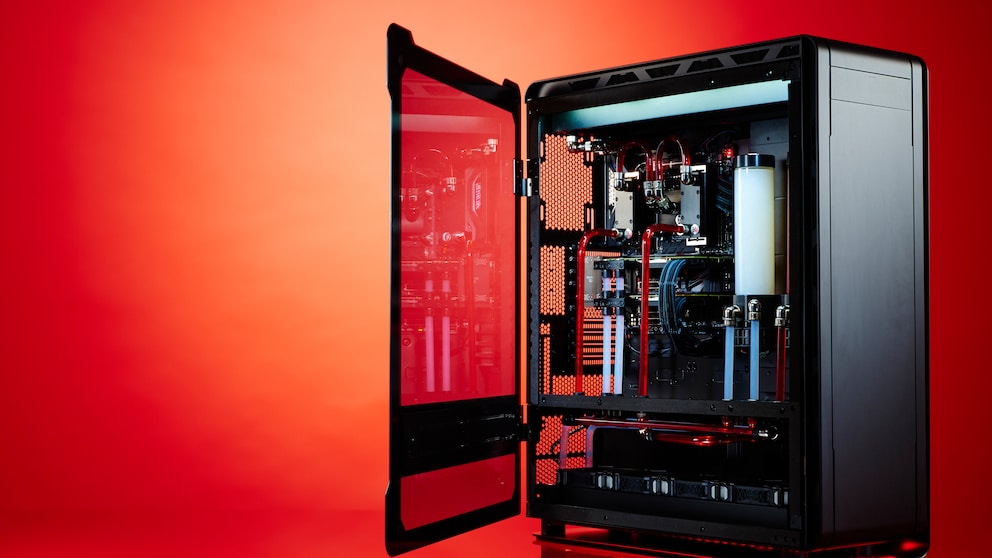
Therefore, the redesign and subtle placement of cables, cooling pipes, and graphics cards present a particularly challenging task for case modders. However, the computer industry now assists with technical advancements. There are now extra cables, rubber grommets, and covers for perfect cable management. Additional mounting options allow for more flexible installation of tubes for water cooling, graphics cards, and drives.
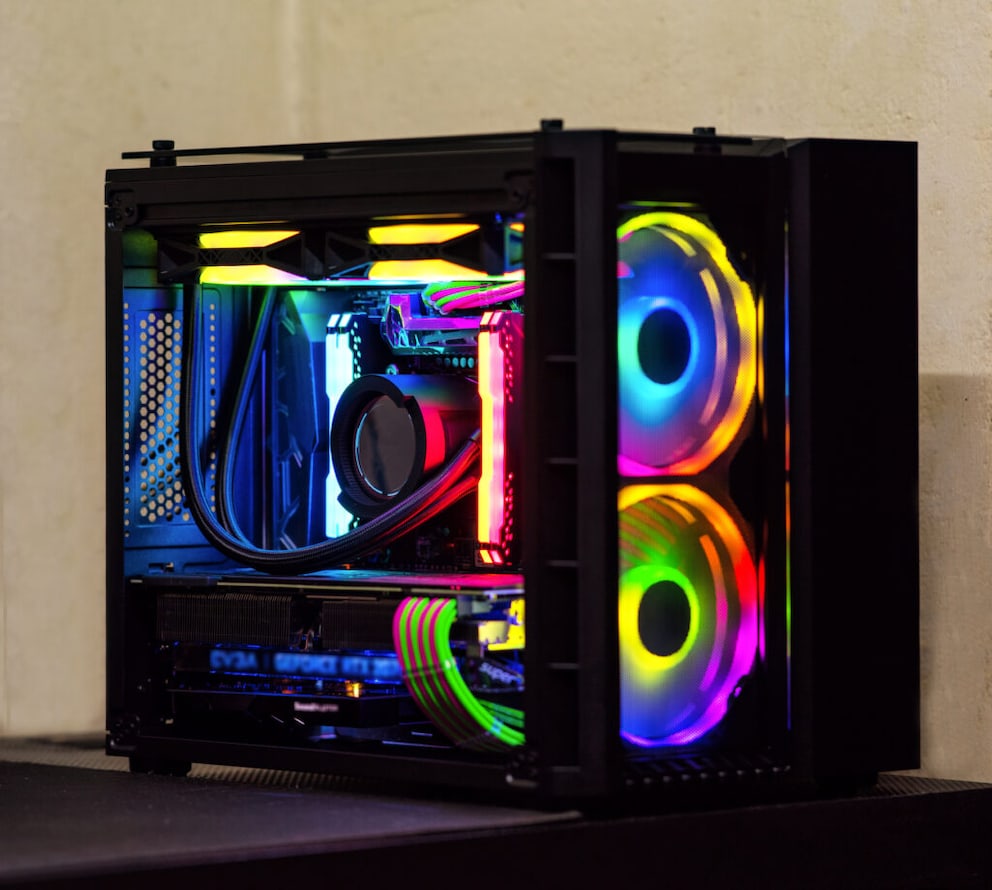
The increasing clock speed of processors comes with heat. The higher the clock rate, the more the temperature rises inside a PC. Simple fans are often no longer sufficient for cooling. Water cooling suddenly becomes a good option for managing processor heat.
The necessary tubes for this can be wonderfully illuminated. There are even special luminous liquids now. Watching the cooling process becomes quite enjoyable. RGB lighting or so-called cold cathode lights also create a mood-enhancing light atmosphere deep inside the PC.
Read also: Konrad Zuse – the man who invented the computer
The Case Modding Scene in Germany
There is also an active tinkerer scene in Germany. For over 20 years, the most dedicated have even competed in the German Casemod Championship. In April, the 20th edition of the German Casemod Championship took place in Leipzig. The master title in the “CaseMods” category was once again won by the well-known and popular Ali Abbas in the scene. His antique desk with an integrated computer already falls into the category of artwork.

What Is the Difference Between Computer Games and Video Games?

Razer Revives 28-Year-Old Gaming Mouse for $1,337
Caution: Radiation
To give the outside world a glimpse, case modders replace one or more sides of the case with a tempered glass panel. The safety glass is more durable, scratch-resistant than earlier Plexiglas versions, and looks better. The transparent side panels have another drawback. Electromagnetic tension can enter or exit unhindered. This involves high-frequency radiation. In extreme cases, the radiation can interfere with other devices like radios, TVs, or entire wireless networks–not to mention the physical effects.
Legally, every case modder becomes a manufacturer of a computer. They are subject to the so-called EMC Directive. This EU standard regulates the electromagnetic compatibility of computers, among other things. Anyone wanting to start as a case modder should inform themselves about this in advance.
Case Modding for Beginners
As with any trend, the industry eventually jumps on the revenue-generating bandwagon. There is now an entire case modding industry. There, beginners and advanced computer tinkerers can find everything a modding heart desires, from special lights to colorful cables to large-scale case stickers.
Some PC manufacturers also offer specially prepared PC cases that can then be customized. Most of the time, the side panels have already been replaced with Plexiglas.
But if you seriously want to compete in the next German Casemod Championships, stay away from prefabricated parts. True case modders make (almost) everything themselves. And now, have fun screwing, sanding, and sawing!