

September 2, 2026, 2:41 pm | Read time: 2 minutes
A man uses his robot vacuum as a secret surveillance camera and wins a lawsuit. Then, this very recording becomes a legal issue for him.
The unusual case began in a shared vacation home. There, the husband discovered a foreign, already-used toothbrush and suspected that his wife might be having an affair with another man. Later, surveillance camera footage in a parking garage showed the woman with an unknown man.
Also interesting: How Easily Your Smartphone Can Be Spied on
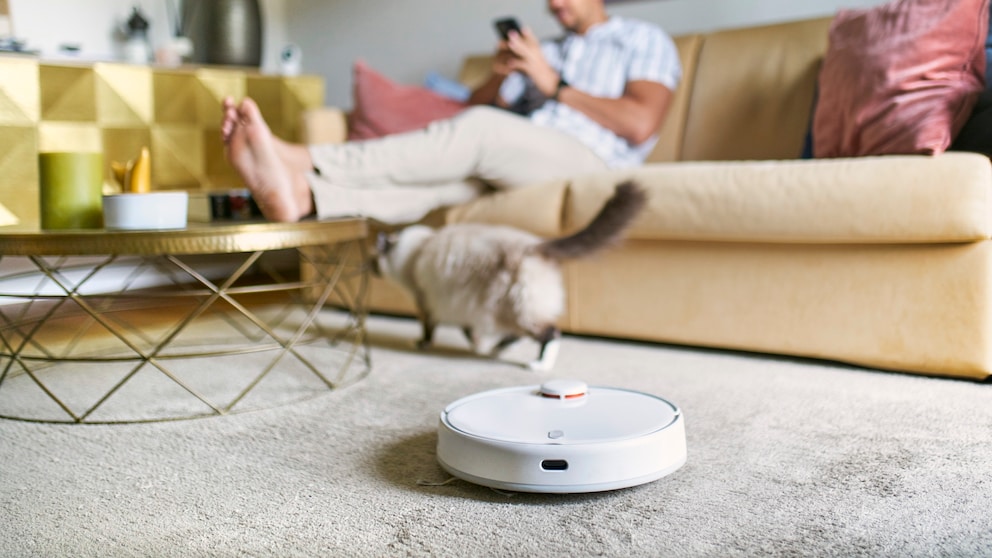
Three months later, the man tried to gather more evidence. Through a smartphone app, he secretly activated the audio and video function of a robot vacuum in their shared apartment. The recordings allegedly showed his scantily clad wife being embraced by the unknown man. Subsequently, the husband sued both for violating his marital rights.
Court Awards Husband Compensation
In the civil case, the man initially won. A court ordered his wife and the other man to pay compensation equivalent to about 14,000 euros. Under Taiwanese law, a betrayed spouse can claim damages for emotional cruelty and a breach of marital duties.
The victory, however, did not come without consequences for the husband. His wife filed a countersuit because the robot vacuum recordings were made without her consent. Secretly recording private activities is considered a serious offense in Taiwan. The unusual legal dispute was reported by the South China Morning Post.
Secret Recording Leads to Prison Sentence
In the second trial, the court clarified that marital duties do not override the personal right to privacy. The man was sentenced to five months in prison for the unlawful recordings. Additionally, he must pay a fine of 150,000 Taiwan dollars, which is approximately 4,000 euros.
Under Taiwanese law, secret recordings or unauthorized distribution of private activities and intimate information can result in up to three years in prison. Additionally, a fine of up to 300,000 Taiwan dollars can be imposed, which is about 8,000 euros. The case thus demonstrates that the surveillance capabilities of household devices, while technically possible, are not automatically legal to use.