

November 26, 2026, 1:44 pm | Read time: 3 minutes
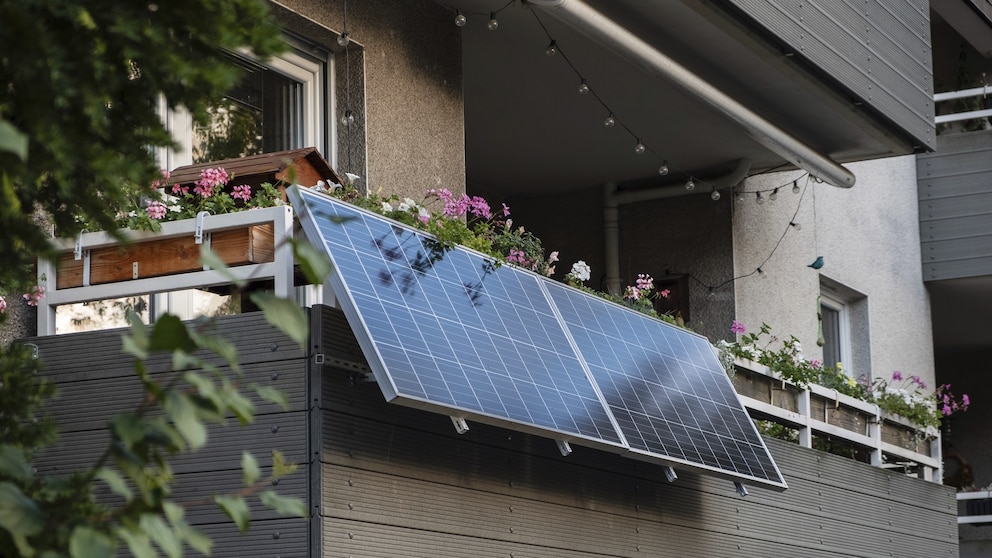
Tenants receive more support for their own solar power. The Federal Court of Justice clarifies that landlords cannot prohibit a balcony power plant solely due to a change in facade appearance.
Why the Balcony Power Plant Ended Up in Court
The basis of the ruling (Case No. VIII ZR 248/25) is a dispute between a tenant from Saxony and his housing cooperative. The man wanted to install a plug-in solar device on his balcony. The landlord agreed in principle but set conditions: The system should be mounted below the balcony railing and not affect the building’s exterior appearance.
Nevertheless, the tenant installed the solar panels on the outside of the balcony. The housing cooperative issued a warning and filed a lawsuit. While the Riesa District Court initially sided with the landlord, the Dresden Regional Court ruled in favor of the tenant. The Federal Court of Justice has now confirmed this ruling. The key point: A visible change to the facade alone is not sufficient to prohibit a balcony power plant.

Amazon Under Increased Scrutiny: What Does This Mean for the Company and Its Customers?

Google lawsuit: Internet giant faces restrictions after losing court case
Why Tenants Have Stronger Rights Today
The background is a legal amendment that has been in effect since October 2024. It strengthens the position of tenants who wish to install a plug-in solar device. In principle, they can demand that the landlord agrees to such a system. Rejection is still possible if the structural change cannot be reasonably expected of the owner in a specific case.
In the case at hand, the Federal Court of Justice could not identify such an unreasonable expectation. The housing cooperative’s argument that numerous balcony power plants could lead to a patchwork appearance on the facade was also unconvincing. The legislative change aimed to promote such systems and facilitate access to affordable and sustainable energy.
What the Federal Court of Justice Ruling Means for Balcony Power Plants
According to the Federal Court of Justice, balcony power plants now align with modern living. Landlords cannot generally reject a system by claiming it disrupts the building’s appearance. Even a merely theoretical risk that solar panels could blind others with reflective light is not enough for a ban.
Also of interest: Fake email from the Federal Network Agency hits operators of balcony power plants
However, the ruling is not a carte blanche for every installation. Whether a system is permissible still depends on the specific case. For example, if the installation would affect the building’s structural integrity, operation may be prohibited. The panels must also not inconvenience or disadvantage other residents of the building, such as through glare or obstructed views caused by the solar system. Special regulations apply to listed buildings, which may make operating a balcony power plant impossible.