


June 15, 2026, 5:58 pm | Read time: 2 minutes
Anyone who pays with a debit card knows this: The payment process at the checkout doesn’t always proceed the same way. Most of the time, the payment is confirmed by PIN or made contactless. A signature is only required in exceptional cases. But why are there different procedures at all?
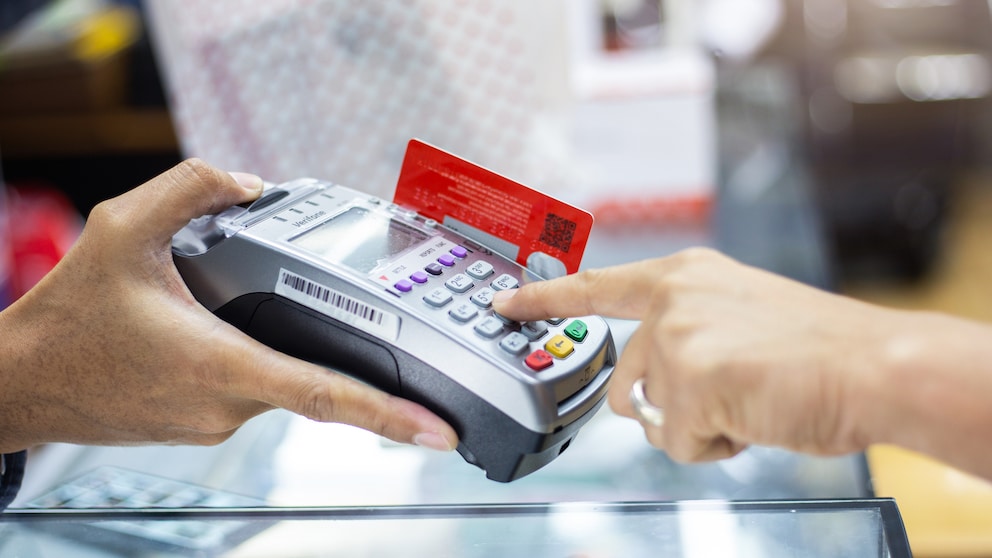
Entering the PIN is now the standard procedure for card payments. The payment is directly authorized by the bank. The card reader checks in real time whether the card is valid and the transaction can be approved. This method offers merchants high security, as they receive a payment guarantee.
When a Signature Is Still Required for Card Payments
Confirmation by signature is now rare. It is mainly used when merchants utilize the electronic direct debit system (ELV) or older cash register systems. With the signature, the customer grants a direct debit authorization for the invoice amount. Since there is no online account verification, merchants bear a higher risk if the payment is not honored later.
Which procedure is used primarily depends on the cash register system and the merchant’s agreements with payment service providers. Unlike in the past, modern terminals no longer regularly switch between PIN and signature. In most cases today, the PIN is required or the payment is made contactless.

What data is stored on bank cards and credit cards, and where is it stored?

Ongoing Major Issues With Debit Cards
Contactless Payment with Card, Smartphone, or Smartwatch
Contactless payment with a debit card, credit card, smartphone, or smartwatch is now widespread. The data is transmitted via NFC technology. In many cases, it is sufficient to briefly hold the card or device near the terminal.
For security reasons, however, additional confirmation may occasionally be required. Then, for example, the PIN is requested, or for payments with a smartphone and smartwatch, authentication via fingerprint, facial recognition, or device code is required. There is no longer a fixed amount limit that applies equally to all banks and providers.
Also of interest: What Are the Differences Between a Debit Card and a Credit Card?
Signature Is a Thing of the Past
The signature now plays only a minor role in card payments. In most stores, payments are authorized by PIN or contactless. Those who pay with a debit card, smartphone, or smartwatch only need to sign a receipt in exceptional cases.