

June 13, 2024, 3:14 pm | Read time: 6 minutes
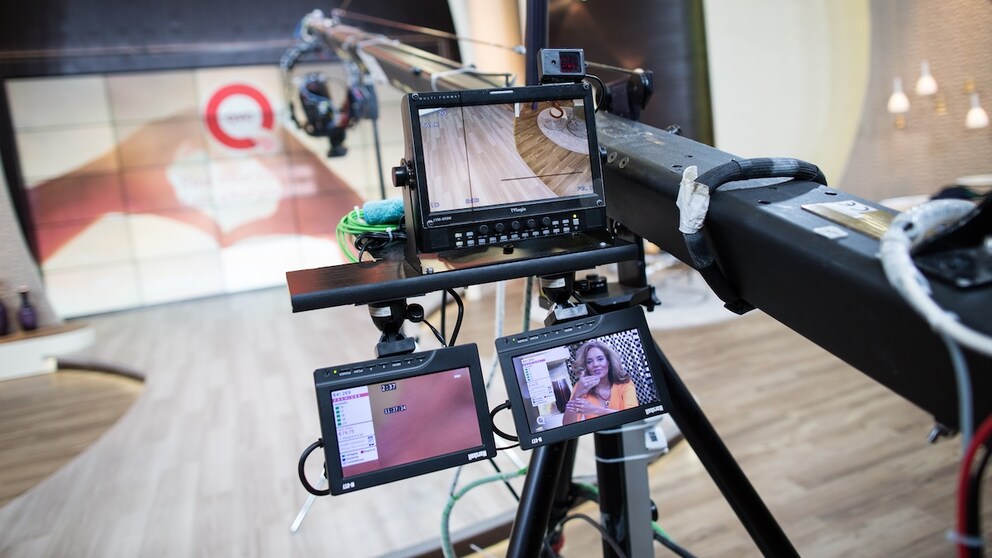
Whether it’s clothing, jewelry, or perfume–the concept of teleshopping (also known as home shopping) is likely well-known: Viewers can conveniently purchase the products demonstrated on screen from the comfort of their couch. And they do! TECHBOOK takes a closer look and introduces the most significant teleshopping channels, QVC and HSE.
Do they seem outdated in the era of online shopping? Not at all. Teleshopping channels have been achieving record sales in Germany for several years. In 2022, QVC, HSE, and others generated an estimated total of around 2.3 billion euros, according to the Association of Private Media (VAUNET), significantly more than a decade earlier (approximately 1.56 billion euros). This is shown in a survey published on Statista on the revenue development of teleshopping in Germany between 1997 and 2022. A good reason to introduce the particularly well-known representatives of the industry.
Overview
Key Information About QVC
The teleshopping channels QVC and HSE are not affiliated. However, they are often mentioned in the same breath, likely due to numerous overlaps between the two. The American entrepreneur Joseph Segel founded the company in 1986 in West Chester, Pennsylvania. Since 2003, it has been owned by the Qurate Retail Group, which also owns retail brands such as HSN, Ballard Designs, and Frontgate. Previously, it was long known under the former name Liberty Media. “The Qurate Retail Group is the largest player in vCommerce,” according to the QVC website.
The German QVC location, based in Düsseldorf, has existed since 1996. It broadcasts live 17 hours a day, and according to the channel, staff are available around the clock via hotline or email. The product range extends beyond clothing and items in the “Beauty & Vitality” category to kitchen utensils, gourmet foods, and accessories (jewelry and watches). On QVC Zwei, you can see summaries of the “most popular products and TV shows from QVC.” The other channel, QVC Style, is aimed at women and focuses on fashion, skincare products, decorative cosmetics, shoes, jewelry, and “the optimal dietary supplements.”
Familiar Faces–Sometimes Switching from QVC to HSE
QVC places importance on “vivid and competent product advice” from its hosts. The men and women in front of the camera were not necessarily found on the sales floors of fashion houses before. Angie Herzog, for example, a long-time team member and holder of a private pilot’s license, previously worked as a journalist.
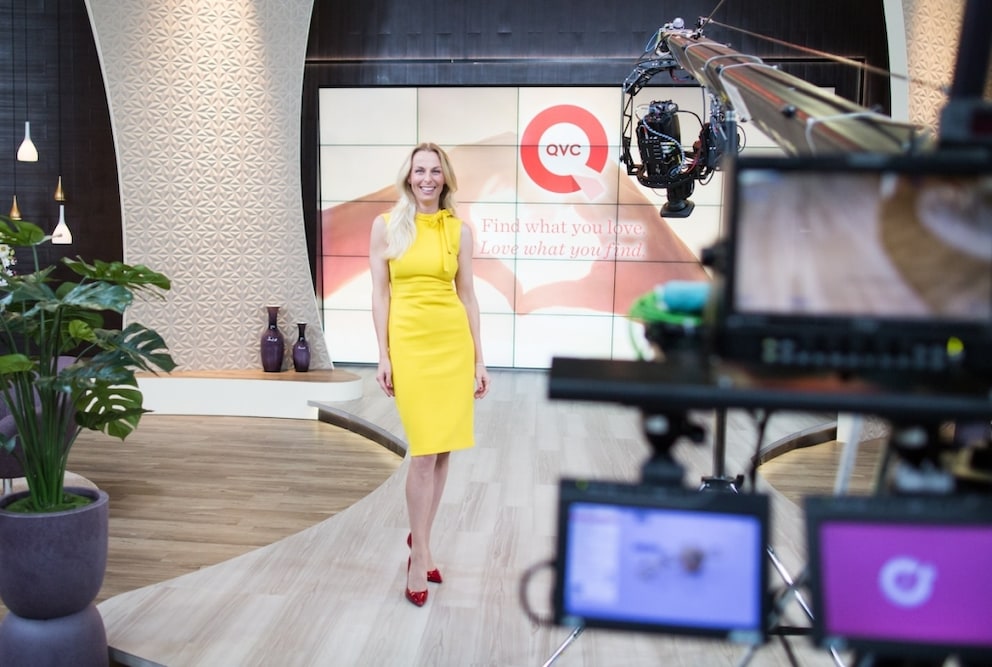
Some might still associate QVC with entrepreneur Judith Williams. The U.S.-born German started her TV career as a sales host at QVC. However, she has been with HSE since 2001. In 2007, she founded her own company (Judith Williams GmbH) and the cosmetics brand Judith Williams Cosmetics.
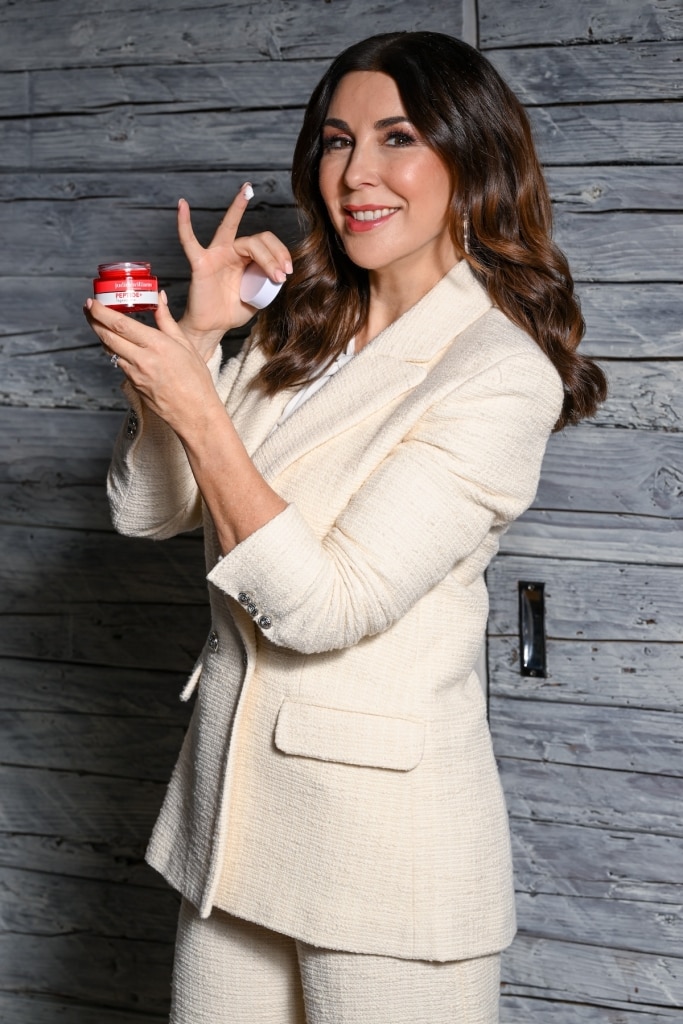
Fashion designer Thomas Rath has also taken a dual approach during his teleshopping presence. After seven years at QVC, HSE poached him in 2022 with a declared goal: to expand its fashion expertise. Initially, Rath might have been mocked for his identification with teleshopping. But as reported in the industry magazine “Textilwirtschaft,” more creatives followed his example. Among them are German fashion designers Eva Lutz, Jette Joop, and Uta Raasch, as well as Polish colleague Dawid Tomaszewski, who sell collections at HSE.
What You Should Know About HSE
You might remember the channel as HSE24. In 2021, it dropped the numbers from its name, accompanied by a complete brand overhaul. HSE is now said to stand for the new claim “Here Shopping Entertains.” What it means–more focus on social commerce and the personalities at HSE–is reportedly what motivated designer Thomas Rath to switch. “I was convinced by the lifestyle concept at HSE,” he explained to “Textilwirtschaft” at the time, “as well as the entertainment approach present in the shows.” Among others, German designer Marcel Ostertag is one of the so-called “HSE Creators.”
HSE went live in 1995–as the first teleshopping channel in all of Germany–and initially broadcast under the name H.O.T. (Home Order Television). Today, the channel, based in Ismaning, Bavaria, is owned 77 percent by Providence Equity Partners, 15 percent by Ardian, and 8 percent by the channel’s management. HSE includes HSE Extra, which repeats parts of the original programming, and HSE Trend, which focuses on fashion and accessories. With its three channels, HSE claims to reach around 45 million households annually in the DACH region. As reported by “Textilwirtschaft,” HSE increased its revenue by five percent between 2021 and 2022 to approximately 848 million euros.
What Makes Teleshopping So Successful
Teleshopping channels have not been displaced by online shopping. Even online giant Amazon Prime had to react and added its own live shopping channel to its portfolio. The success of teleshopping can be partly explained by the fact that QVC, HSE, and about 15 other relevant channels in Germany target a slightly different audience. However, they keep up with the times and have long offered their products online as well.
According to dpa information, the majority of the predominantly female, single-living clientele is over 50 years old and, above all, loyal. Customer loyalty is a top priority in teleshopping. As stated in a QVC fact sheet, the sales channel generates 96 percent of its revenue from repeat customers–who order an average of 26 items per year.

Amazon Launches Its Own Teleshopping Site, “Amazon Live”

How Reliable Is the Chinese Bargain Shop Temu?
Familiar Approach, “Great Discounts,” Superlatives, and Scarcity
The hosts of teleshopping channels are particularly important for their success. They present themselves as good acquaintances–after all, they are constantly on the program–and support purchase recommendations with personal remarks. They manage to create desires among their trusting viewers. Products are often purchased that “offer a solution to a problem you didn’t even know you had,” as explained by a dpa expert.
Anyone who randomly tunes into QVC or HSE will likely be immediately informed of the surprisingly low price of a highly praised product, which is only available in very limited quantities. It is also this (possibly artificial) scarcity that prompts viewers to call the teleshopping channel’s phone number or order the advertised item online.
Is It Worth It?
Stiftung Warentest examined the topic of teleshopping a few years ago. At that time, the service aspect received notably high marks. QVC, HSE, and the also-tested Channel 21 (then still known as RTL-Shop) processed orders properly and within a reasonable timeframe. “It is commendable that all providers offer purchase by invoice, which most customers also take advantage of,” the consumer organization further writes. However, the products examined sometimes “gave a rather dismal performance.” You can find all the details of the investigation here.